Fire Pump Cost Denver Budgeting ITM Repairs Guide
I have spent enough time around pump rooms in Denver to know one simple truth. Fire protection is not where a serious facility wants surprises. Yet I often meet property managers staring at spreadsheets, wondering how to forecast the real numbers behind fire protection systems. That is where the topic of fire pump cost denver budgeting itm repairs modernization enters the conversation. It sounds like a mouthful, and frankly it is. However, when you manage a hospital tower, distribution hub, or high rise campus, those words translate into real dollars and real risk.
So I like to slow things down and walk through the moving parts. Because once you understand inspection cycles, repair triggers, and modernization planning, the numbers stop feeling random. In fact, budgeting for a fire pump becomes less like gambling in Vegas and more like playing chess. And chess is a much better strategy when millions of dollars in property and lives depend on the system working when the alarm bell rings.
Understanding Fire Pump Cost Denver Budgeting ITM Repairs Modernization
Let me start with the big picture. When I talk about planning for a fire pump in Denver, I am not talking about a single invoice. Instead, I am looking at a lifecycle.
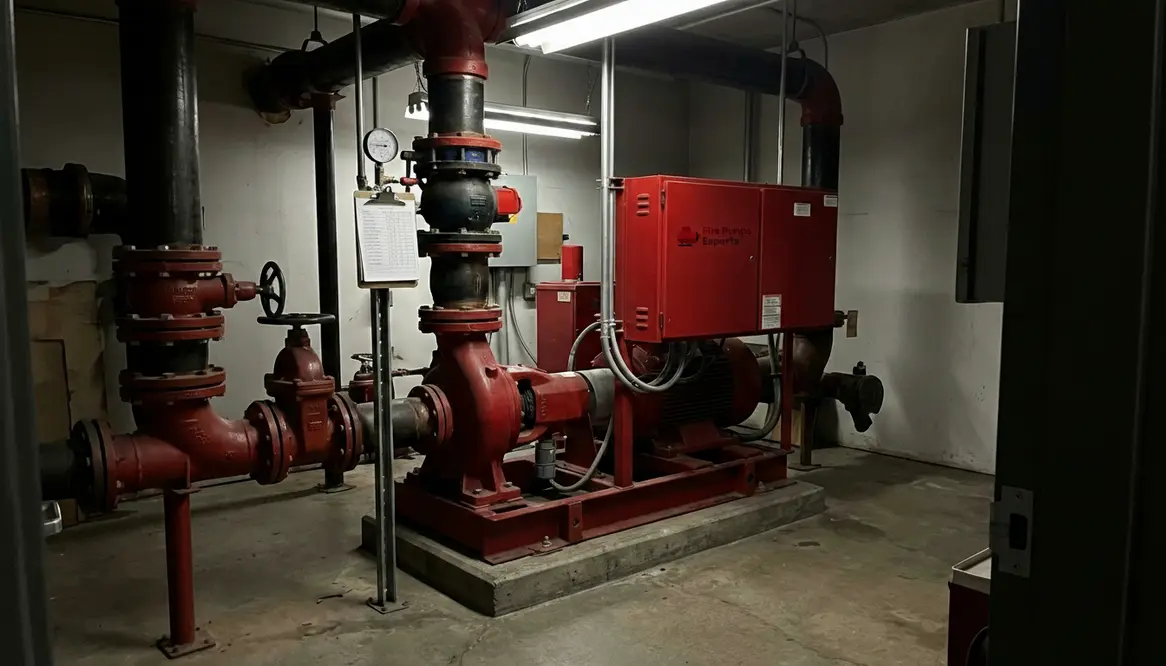
In large commercial and industrial buildings, the fire pump works as the heart of the sprinkler system. When city water pressure falls short, the pump steps in and boosts the flow needed to fight a fire. Because of that responsibility, codes demand constant oversight.
That is where ITM comes in. ITM stands for inspection, testing, and maintenance. These are not optional tasks. They are required by NFPA standards and enforced by local authorities.
However, many facility teams underestimate the long term financial picture tied to fire pump cost denver budgeting itm repairs modernization. The pump itself may run reliably for decades. Still, components age, seals wear, controllers fail, and electrical systems evolve.
Consequently, the real cost includes four layers.
Routine inspections and performance testing
Predictable maintenance such as lubrication and calibration
Unexpected repairs
System modernization and upgrades
Think of it like owning a classic truck. Sure, it runs beautifully today. But eventually the alternator quits, the wiring looks like spaghetti from 1984, and suddenly you are searching for parts while muttering words your HR department would prefer not to hear.
A proactive plan prevents that moment.
What drives fire pump expenses in major Denver facilities
When I review a facility budget, I usually see the same question floating around. Why do fire pump costs vary so much between buildings?
The answer lies in the system design and the environment around it.
First, pump type matters. Diesel driven fire pumps often carry higher maintenance costs because they include engines, fuel systems, and exhaust components. Electric pumps, on the other hand, rely heavily on electrical infrastructure and controllers. Both have advantages, yet each brings its own budget line.
Second, building scale plays a major role. A 40 story commercial tower needs far more pressure and flow than a mid size warehouse. Therefore the pump size, controller complexity, and power supply requirements increase.
Third, age changes everything. Older fire pump rooms often contain controllers that belong in a museum next to VHS tapes and floppy disks. They still work, but sourcing parts becomes harder each year.
Finally, Denver itself adds environmental factors. Altitude affects pump performance calculations. In addition, cold winters require careful protection of pump rooms and water supply lines. Frozen pipes and fire protection systems mix about as well as coffee and orange juice.
So when I estimate fire pump cost denver budgeting itm repairs modernization, I evaluate system size, equipment age, code requirements, and building risk profile. Those four elements shape nearly every number in the plan.
If you want a broader look at full-service fire protection support that includes fire pump services alongside sprinklers, alarms, and suppression systems, explore how a dedicated provider like Kord Fire Protection supports complex commercial properties. Seeing how all systems connect makes it easier to understand where your own pump room fits in the bigger picture.
How I structure a realistic fire protection budget
I approach budgeting the same way a pilot approaches a flight checklist. Calmly, methodically, and with zero interest in surprises halfway through the journey.
First, I map out annual ITM requirements. These include weekly churn tests, annual flow testing, controller inspections, and valve checks. Each task has labor, reporting, and compliance documentation tied to it.
Next, I set aside funds for wear components. Mechanical seals, relief valves, pressure gauges, and batteries eventually fail. Planning ahead turns those replacements into routine maintenance rather than emergency calls at 2 AM.
Then I build a reserve for major repairs. Even well maintained systems encounter unexpected issues. Couplings crack. Controllers fail. Sensors stop communicating. Preparing for those moments keeps the facility protected without blowing the annual budget.
Finally, I create a modernization timeline. This is the part many property owners skip. Yet ignoring upgrades is like ignoring the oil light in your car. Sure, the engine might run for a while. But eventually it ends in a very expensive lesson.
All together, this strategy keeps fire pump cost denver budgeting itm repairs modernization predictable and manageable for large properties.
Core ITM line items
Weekly churn testing
Annual fire pump flow testing
Controller and transfer switch inspections
Valve, jockey pump, and alarm checks
Repair and upgrade reserves
Wear parts and consumables
Controller and starter replacement funds
Future pump or driver modernization
Contingency for unplanned failures
Repair planning versus modernization strategy
Here is where things get interesting. And by interesting I mean the moment finance teams lean forward in their chairs.
Not every aging component should be repaired forever. At some point, modernization becomes the smarter investment.
When repairs make sense
Equipment remains within expected lifespan
Replacement parts are readily available
Performance tests still meet NFPA standards
Repair cost remains small compared to full replacement
When modernization becomes smarter
Controllers or engines exceed 25 to 30 years
Parts require custom fabrication
Testing reveals declining performance
Code updates require new technology
Modern controllers, digital monitoring, and improved pump designs can dramatically improve reliability. Moreover, they simplify compliance reporting for large commercial facilities.
Therefore, when I guide owners through fire pump cost denver budgeting itm repairs modernization, I look beyond immediate fixes. Instead, I focus on long term reliability and regulatory confidence.
Because when the fire marshal walks into the pump room, nobody wants to hear the sentence, “Well… it usually works.”
If I manage a large building in Denver, how should I forecast fire pump expenses?
Facility directors ask this all the time, and it is the right question.
Step 1: Capture your history
First, gather historical service data. Past inspections, repairs, and test reports reveal patterns. Those patterns help predict future maintenance cycles.
Step 2: Age and condition review
Second, evaluate equipment age. If a controller approaches three decades old, modernization planning should already be underway.
Step 3: Local code and expert input
Third, coordinate with certified fire pump specialists who understand Denver regulations and NFPA standards. Their insight helps prevent budgeting blind spots.
Step 4: Build multi-year visibility
Finally, think in multi year cycles. A five year plan often captures inspection schedules, repair reserves, and upgrade timelines more accurately than a single year budget.
When I apply that approach, fire pump cost denver budgeting itm repairs modernization becomes a strategic roadmap rather than a financial mystery.
FAQ: Fire Pump Planning for Commercial and Industrial Properties
These are the questions that surface most often when we walk pump rooms with property managers and engineers.
Planning today prevents emergencies tomorrow
When I help facilities plan around fire pump cost denver budgeting itm repairs modernization, the goal is simple. Eliminate surprises and strengthen protection for the people and assets inside the building. If your commercial or industrial property needs guidance on inspections, repairs, or long term pump modernization, the right specialists can map out a clear plan. Reach out today and turn that pump room from a question mark into a well funded, fully reliable line of defense.