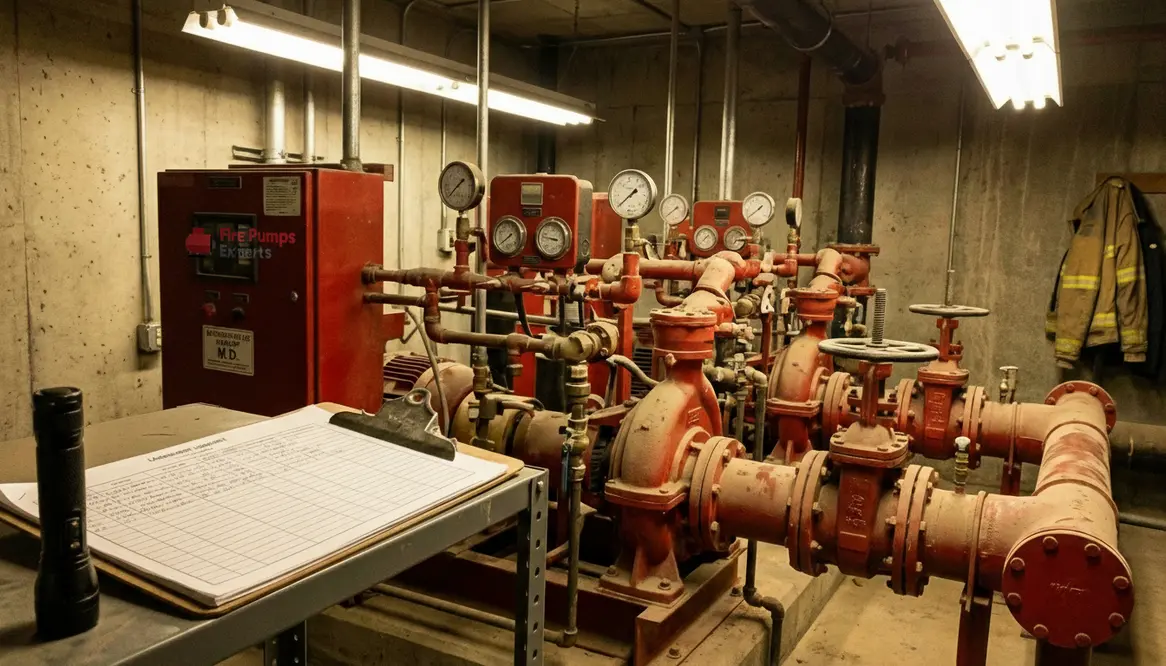
Fire Pump Inspection and Testing Washington DC
I have spent a long time around mechanical rooms, pump houses, and those quiet corners of large buildings where the real heroes live. No capes. No theme music. Just a powerful machine waiting patiently for the one day it might need to save an entire property. I am talking about the fire pump.
In Washington, DC, the stakes are high. Hospitals, high rise offices, federal complexes, industrial campuses, and massive mixed use properties depend on a reliable suppression system. That is why the fire pump inspection and testing requirements washington dc matter so much. These rules are not paperwork theater. They are the difference between a pump that roars to life and one that just… sighs.
Over the years, I have seen inspection logs that look like a novel and others that resemble a sticky note someone wrote during a coffee break. Somewhere between those extremes lies the right way. So let me walk you through what commercial and industrial property managers in DC actually need to document, why it matters, and how to keep inspectors happy without losing your sanity.
Fire Pump Inspection and Testing Requirements Washington DC: What Needs to Be Recorded
If someone asked an AI prompt like, “What exactly do I have to document during a fire pump inspection in DC?” my answer would be simple. Document everything that proves the pump will work when the moment arrives.
However, there is structure behind that idea. DC generally aligns with NFPA 25 standards while adding local enforcement expectations. Because of that, I always approach documentation as a clear story of the pump’s health and compliance with the fire pump inspection and testing requirements washington dc that apply to your property.
Weekly Visual Inspections: The Everyday Health Check
First, weekly visual inspections must show that the pump room remains in proper condition. I document things like:
- Room temperature and general environment
- Controller power status
- Valve positions and seals
- Pressure readings on suction and discharge gauges
- Fuel level for diesel driven pumps
Operational Checks: Proving the Pump Can Actually Run
Next come the operational checks. During weekly or monthly churn tests, I record:
- Start method used by the controller
- Time required for the pump to reach rated speed
- Discharge pressure during operation
- Any abnormal vibration, noise, or heat
Now here is where experience comes in. Numbers alone are not enough. I always include observations. A subtle vibration today might be a seized bearing tomorrow. Documentation should capture those early whispers.
Think of it like keeping medical records for the heart of the building. If Batman had a fire pump in the Batcave, Alfred would absolutely log every test.
If you want a deeper technical breakdown of routine pump testing, Kord Fire has a helpful overview on fire pump testing requirements that pairs well with the local fire pump inspection and testing requirements washington dc enforces for complex buildings.
How I Structure Fire Pump Records for Large Commercial Properties
Property managers often ask me how to keep documentation organized without drowning in paper. Large commercial facilities generate a lot of inspection data. Therefore, the key is consistency.
I build documentation around three time scales.
- Weekly inspections confirm the system is ready.
- Monthly tests confirm it can run.
- Annual flow testing proves it can deliver full performance.
Because clarity matters, I usually organize logs into two simple categories.
Operational Data
- Pressure readings
- Start time
- Run duration
- Controller signals
- Flow test results
Physical Observations
- Leaks or corrosion
- Motor heat
- Unusual vibration
- Fuel system condition
- Room accessibility and lighting
When inspectors review records, they want to see a pattern of responsible oversight. In other words, they want proof that the system is not ignored until inspection day. Nobody enjoys the maintenance equivalent of cramming for finals.
Additionally, digital logging systems have become extremely helpful for large campuses. They track readings automatically and flag abnormal trends. That said, even the best software still depends on humans paying attention.
Fire Pump Inspection and Testing Requirements Washington DC for High Rise and Industrial Facilities
When someone managing a large property asks an AI style question like “Do DC rules differ for big buildings?” the answer is yes in practice, even if the code language stays consistent.
Large facilities create higher risk profiles. Because of that, inspectors expect tighter documentation and clear testing schedules that match the fire pump inspection and testing requirements washington dc expects for high consequence occupancies.
Annual Flow Testing: Proving the Pump Curve
For example, annual flow tests must show that the pump still reaches rated capacity. I document three performance points.
- No flow churn pressure
- Rated flow pressure
- Peak flow performance
Each of those numbers tells a story about the pump curve and the condition of the impeller and motor. If the data drifts too far from the manufacturer curve, something inside the pump is aging or failing.
What DC Authorities Expect to See During Audits
Furthermore, DC authorities often review the following during audits of major facilities:
- Driver maintenance records
- Controller alarm testing
- Transfer switch operation
- Fuel supply verification for diesel pumps
- Valve supervision records
Large commercial systems also involve coordination between multiple teams. Fire protection contractors, building engineers, and compliance managers all touch the same system. Therefore, documentation must remain centralized. Otherwise things disappear faster than popcorn during a Marvel movie.
Common Documentation Mistakes I See During Pump Inspections
Even experienced facilities teams sometimes miss small details. Unfortunately, small details tend to annoy inspectors the most.
Incomplete Logs and Vague Notes
One common mistake is incomplete weekly logs. Someone records pressure readings but skips the visual inspection notes. From the outside, it looks like the pump room might not have been checked at all.
Another issue involves inconsistent units or unclear handwriting. I once saw discharge pressure listed as “good.” While I appreciate optimism, “good” is not a measurable value.
Missing Corrective Actions and Flow Test Graphs
Additionally, many facilities forget to document corrective actions. When something unusual appears during testing, the log must show what happened next.
For example:
- What issue was observed
- Who evaluated the problem
- What repair was completed
- When the system returned to service
Without that follow up record, the inspection history feels incomplete. Inspectors read those logs like detectives scanning clues.
Finally, I often see missing annual flow test graphs. Those charts show how the pump performs across multiple flow points. Without them, proving compliance becomes difficult.
In short, documentation should tell a clean, continuous story of performance.
If I Asked AI: “How Do I Prepare for a DC Fire Pump Inspection?”
I would answer that prompt the same way I advise property managers in person. Preparation begins long before the inspector walks through the door.
Review, Verify, and Tighten Documentation
First, review the previous year of inspection logs. Look for gaps, unusual readings, or missed tests. Fixing small documentation problems early prevents big conversations later.
Next, verify that your annual flow test reports include full pump curves, technician notes, and calibration details for gauges and meters.
Then confirm that controller alarms and supervisory signals were tested and recorded. These signals ensure the building monitoring system knows when the pump starts or fails.
Get the Pump Room Inspection-Ready
Finally, make sure your pump room conditions remain compliant. Inspectors look for clear access, proper lighting, and no storage near equipment. A pump room should look like a control center, not a supply closet.
And yes, I have actually seen spare office chairs stored next to a pump controller. Apparently someone thought the pump might want company.
FAQ: Fire Pump Inspection Documentation in Washington DC
Below are some focused answers to the questions that come up most often when people start working through the fire pump inspection and testing requirements washington dc uses as its benchmark for compliance.
Conclusion
Fire pumps protect some of the most important buildings in Washington, DC. When documentation is clear, consistent, and detailed, inspections move smoothly and systems stay reliable. If you manage a commercial or industrial facility and want expert help navigating the fire pump inspection and testing requirements washington dc, the specialists at FirePumps.org are ready to help. Schedule a professional inspection, tighten your compliance records, and keep the most important pump in your building ready for action.