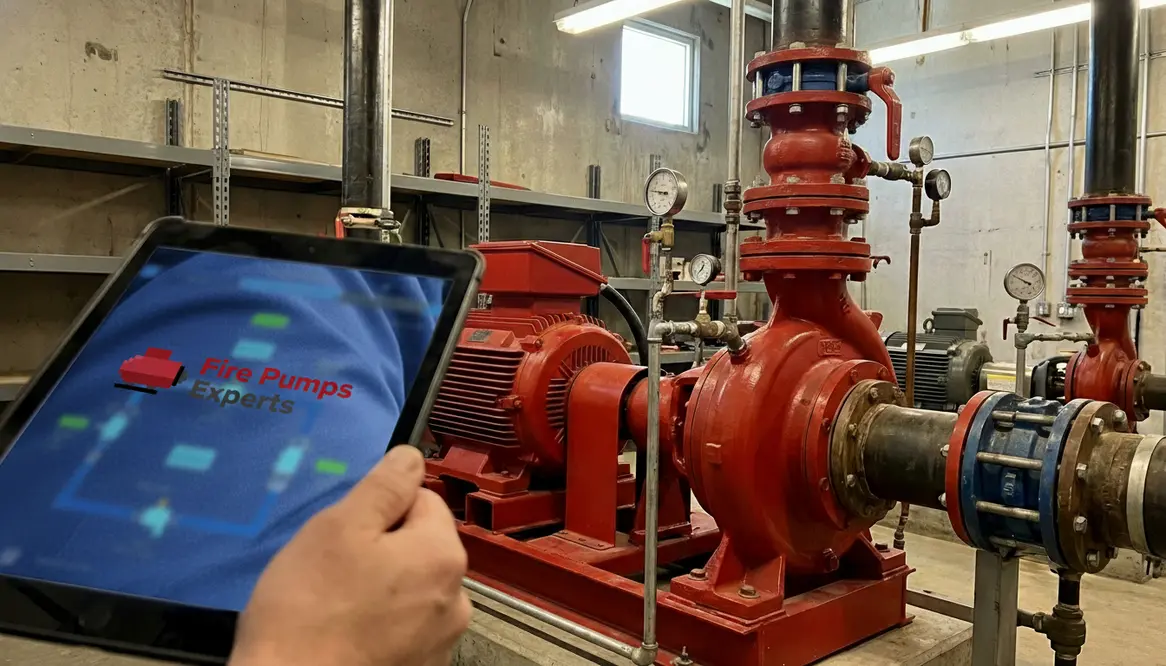
Fire Pump Curve Comparison Sunnyvale Performance
I have spent years studying how water moves when everything depends on it. In a place like Sunnyvale, where commercial and industrial facilities never really sleep, understanding pump behavior is not just technical talk. It is peace of mind. That is where a thoughtful fire pump curve comparison Sunnyvale becomes essential. It tells us how different fire pump types behave under pressure, flow demand, and real world conditions. And trust me, pumps have personalities. Some are steady like a jazz bassist. Others are a bit more… dramatic.
What does a fire pump curve actually tell me in Sunnyvale?
Let me slow this down. A fire pump curve is a visual story. It shows how flow and pressure relate as demand changes. In commercial buildings, where sprinkler systems stretch across floors and zones, this relationship matters deeply.
As flow increases, pressure usually drops. However, how sharply it drops depends on the pump type. Therefore, when I review a pump curve, I am not just reading data. I am predicting how a system behaves during a real emergency.
In Sunnyvale facilities, especially large campuses or data centers, even small curve differences can affect system reliability. So, a proper fire pump performance comparison Sunnyvale approach helps ensure that pressure stays where it needs to be when everything is on the line.
How do centrifugal fire pumps behave under changing demand?
Centrifugal pumps are the workhorses. They show up, do the job, and rarely complain. That said, their curves slope downward as flow increases. In plain terms, the more water you demand, the less pressure you get.
However, not all centrifugal pumps behave the same. End suction pumps tend to have steeper curves. Split case pumps, on the other hand, offer more stability across a wider range. Therefore, I often lean toward split case designs for large commercial buildings where demand can spike unpredictably.
And yes, if pumps had personalities, the split case would be the calm veteran in an action movie, standing steady while everything else is chaos.
Comparing vertical turbine pumps in a Sunnyvale context
Why vertical turbine curves feel so steady
Now we step into deeper water. Vertical turbine pumps pull from underground sources or tanks. Their curves tend to be flatter compared to other pump types. That means pressure stays more consistent as flow increases.
Why this matters in Sunnyvale facilities
For industrial properties in Sunnyvale with dedicated water storage, this consistency is gold. It reduces the risk of pressure drops during peak demand. Moreover, these pumps handle variable supply conditions better than most.
When a perfect curve meets real world constraints
Still, they are not plug and play. Installation complexity and maintenance requirements can be higher. So while the curve looks great on paper, I always weigh it against operational realities.
Fire pump curve comparison Sunnyvale for electric versus diesel systems
Here is where things get interesting. Electric and diesel driven pumps can share similar hydraulic curves, yet their real world behavior differs.
Electric pumps
They start fast and run smoothly. Therefore, their curve performance is consistent and predictable. In Sunnyvale facilities with reliable power infrastructure, they are often the first choice.
Diesel pumps
They bring independence. When power fails, they keep going. However, their ramp up can be slower, and performance can vary slightly depending on engine conditions.
So when I conduct a fire pump curve comparison Sunnyvale analysis, I do not just look at the curve. I look at how quickly that curve becomes reality during an emergency.
Why curve shape matters for large commercial systems
Demand swings and pressure stability
In major facilities, demand is rarely steady. One moment, a single zone activates. The next, multiple systems call for water at once. Therefore, the shape of the curve becomes critical.
Steep versus flat curves
A steep curve might look efficient at a single operating point. However, it can struggle when demand spikes. On the other hand, a flatter curve offers flexibility. It adapts better to changing conditions.
I often compare this to traffic. A narrow road works fine until rush hour hits. Then suddenly, everything slows down. A wider road, like a flatter pump curve, handles the surge with less drama.
Choosing the right pump based on curve behavior
Matching curves to real buildings
When I evaluate fire pump options for Sunnyvale properties, I focus on matching curve behavior to system needs. That means understanding the building, the risk profile, and the expected demand patterns.
Different facilities, different priorities
For example, a high rise office tower with complex zoning benefits from stable pressure across varying flows. Meanwhile, an industrial plant with predictable demand may prioritize efficiency at a specific operating point.
Therefore, I never treat pump selection as a one size fits all decision. The curve tells me how the pump will behave. My job is to make sure that behavior aligns with the facility’s reality. A thoughtful fire pump curve comparison Sunnyvale review is one of the fastest ways to expose mismatches between expectation and actual performance.
FAQ
Conclusion
When I look at a pump curve, I see more than lines on a chart. I see how a building will respond when it matters most. If you are managing a commercial or industrial facility in Sunnyvale, now is the time to take that closer look. A precise evaluation today can prevent costly surprises tomorrow. A targeted fire pump curve comparison Sunnyvale review, supported by accurate hydraulic data and real test results, turns those curves into confidence.
If you want to explore reference material, start with technical resources from https://firepumps.org, then apply those principles to your own facility’s layout, storage, and supply conditions. The more clearly you understand your pump curve, the more calmly you can face the moment when the alarms sound and every gallon truly counts.