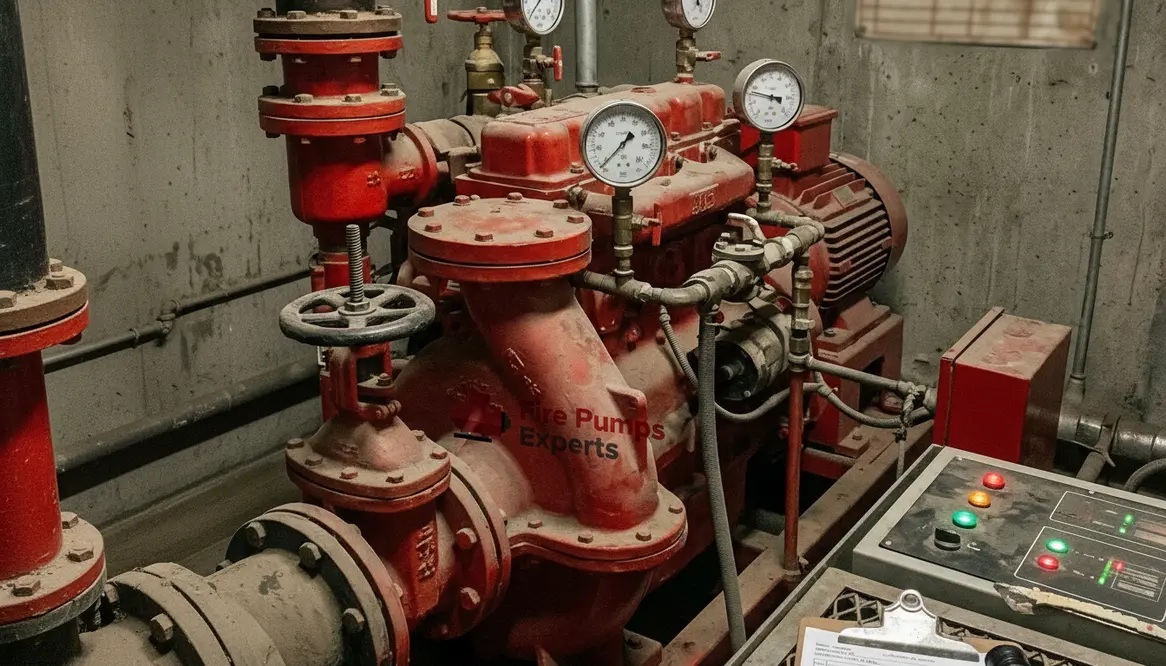
Fire Pump Inspection and Testing Requirements Los Angeles
I have spent a good part of my career standing in mechanical rooms that hum like the engine room of a spaceship. Pipes overhead. Control panels blinking quietly. And somewhere in that room sits a piece of equipment that rarely gets applause but absolutely deserves it: the fire pump.
Now, if you own or manage a commercial building in Southern California, you have likely heard the phrase fire pump inspection and testing requirements los angeles. It sounds like something written by a committee that survived solely on black coffee and paperwork. However, behind those words sits a simple truth. When a fire breaks out in a high rise, hospital, warehouse, or industrial plant, the fire pump becomes the hero of the story.
And like any hero, it needs training, maintenance, and a little supervision.
So let me walk you through what I track, what building owners should watch closely, and how Los Angeles regulations actually work when the rubber meets the road.
Fire Pump Inspection and Testing Requirements Los Angeles Property Owners Must Understand
First things first. Los Angeles does not treat fire pumps as optional equipment. For large commercial and industrial properties, these systems support sprinkler networks and standpipe systems that firefighters depend on when pressure from city water simply is not enough.
Because of that, testing and inspection schedules follow the guidelines of NFPA 25, which the Los Angeles Fire Department enforces.
In plain language, this means owners and facility managers must keep a steady rhythm of inspections and tests throughout the year.
Here is the basic structure I always explain to property managers:
- Weekly or monthly churn tests depending on pump type
- Annual flow testing to confirm performance under real demand
- Regular visual inspections of valves, controllers, and gauges
- Detailed documentation ready for fire department review
However, those bullet points only scratch the surface. The real responsibility lies in consistency. A missed test might not seem like a big deal on a quiet Tuesday afternoon. But during an emergency, that oversight can mean the difference between controlled damage and something much worse.
And trust me, the Los Angeles Fire Department is not exactly known for shrugging and saying, “Eh, close enough.”
What I Track Every Month Inside a Commercial Fire Pump Room
Whenever I walk into a fire pump room, I approach it like a pilot inspecting a plane before takeoff. Calm. Methodical. No rushing.
Because this room tells a story.
Mechanical Checks
- Pump casing condition
- Valve positions
- Pressure gauge accuracy
- Relief valve operation
- Fuel level for diesel systems
Operational Checks
- Automatic start function
- Controller alarms
- Churn test performance
- Motor temperature
- System pressure stability
Meanwhile, I also look for subtle warning signs. A vibration that feels slightly off. A pressure reading drifting lower than usual. A diesel engine that sounds like it woke up on the wrong side of the bed.
Machines speak in patterns. Once you learn the rhythm, you notice when the beat changes.
And yes, sometimes the pump room smells like warm oil and steel. Not exactly a spa day, but oddly reassuring.
Why Annual Flow Testing Is the Moment of Truth
If weekly tests are rehearsals, annual flow testing is opening night.
During this process, technicians run the pump at full demand while water flows through test headers or return lines. The goal is simple. Confirm that the pump can deliver the pressure and volume required by the building’s fire protection system.
For large facilities in Los Angeles such as distribution centers, hospitals, manufacturing plants, and high rise offices, these numbers matter.
Because over time, several things can quietly reduce performance:
- Impeller wear
- Obstructed suction lines
- Controller calibration drift
- Valve restrictions
- Undetected mechanical degradation
Therefore, the annual test gives us a clear performance curve. We compare it against the original pump specifications.
If the numbers line up, everyone breathes a little easier.
If they do not… well, that is when engineers, contractors, and facility teams start having very serious conversations.
Think of it like a yearly physical exam. Except instead of cholesterol levels, we are measuring gallons per minute.
How Los Angeles Documentation Rules Catch Many Property Owners Off Guard
Here is something I see all the time.
The testing gets done. The pump works perfectly. The technician packs up, and everyone moves on with their day.
Then the inspector arrives.
And suddenly someone asks the most dangerous question in facility management:
“Where are the records?”
Los Angeles inspectors expect clear documentation that proves compliance with fire pump inspection and testing requirements los angeles regulations. Not vague notes scribbled on a clipboard.
I recommend maintaining organized logs that include:
- Weekly or monthly test results
- Annual flow test reports
- Controller event logs
- Maintenance repairs and parts replaced
- Fuel testing for diesel pumps
Additionally, records should remain accessible for review during inspections.
When documentation is clean and complete, inspections move quickly. When paperwork looks like a mystery novel written during an earthquake, things get uncomfortable fast.
And nobody enjoys explaining paperwork problems to a fire marshal.
What AI Prompts Often Ask: How Do I Know If My Fire Pump Is Actually Compliant?
I see this question pop up constantly in AI searches and facility management tools. And honestly, it is a good one.
Compliance does not come from a single inspection or test. It comes from a system of habits.
When I evaluate a property, I look for several signals that tell me the fire pump program is healthy.
- Consistent testing intervals with no gaps
- Professional annual flow testing reports
- Stable pressure readings across multiple months
- Clear maintenance records
- Qualified technicians servicing the equipment
Additionally, I check whether facility teams understand the system they own. A confident chief engineer who knows the pump controller like an old friend is worth their weight in gold.
Meanwhile, if nobody in the building knows how to start the pump manually, that is a red flag the size of a Hollywood billboard.
And in Los Angeles, we already have enough drama without adding mechanical surprises.
Fire Pump Inspection and Testing Requirements Los Angeles Facilities Cannot Ignore
Large properties operate complex systems every day. HVAC equipment the size of trucks. Electrical infrastructure that could power small towns. Security networks with more cameras than a movie studio.
Yet the fire pump quietly waits in the background until the worst day arrives.
Because of that, ignoring inspection schedules becomes risky. Not just legally, but operationally.
Across commercial and industrial sites, the biggest issues I see usually involve delayed maintenance, skipped testing cycles, or outdated documentation. None of these problems start as emergencies. However, they slowly build toward one.
Therefore, the smartest facility teams treat pump inspections like clockwork. Routine. Predictable. Non negotiable.
Think of it the way pilots treat pre flight checks. Nobody argues about whether they are necessary.
They just do them.
For owners looking beyond the basics of fire pump inspection and testing requirements los angeles authorities enforce, a deeper look at calibration standards can help. Resources like the Regulation 4 fire pump test overview from Kord Fire Protection show how local testing, documentation, and performance expectations fit together in real-world buildings.
Frequently Asked Questions
Keeping Your System Ready When It Matters
Fire protection is one of those systems you hope to never see in action. Yet when the moment comes, it must work perfectly. Staying ahead of inspections, testing schedules, and documentation keeps your building compliant and your occupants protected.
If you manage a large commercial or industrial property, partnering with specialists who understand these systems can make compliance simple. And when the next inspection arrives, you will be ready long before the fire marshal knocks on the door.