Fire Pump Maintenance Scheduling for Hospitals
How to keep hospital fire protection quietly ready, relentlessly compliant, and almost invisible to everyone except the people responsible for it.
I have spent years around large buildings that never sleep, and if there is one thing I have learned, it is this: when fire protection fails, everything else becomes a footnote. That is why fire pump maintenance scheduling is not just a line item on a checklist. It is a living, breathing commitment to safety. In hospitals and major commercial facilities across U.S. cities, I treat it like a quiet guardian in the background. You may not notice it, much like the bass line in a great song, but without it, the whole performance falls apart.
Why hospitals cannot afford “good enough”
Hospitals operate in a world where redundancy is mandatory, downtime is unacceptable, and documentation lives or dies under the glow of regulatory inspections. Fire pump maintenance scheduling is what keeps that entire ecosystem from unraveling when an alarm is no longer just a test.
At a glance: what this hospital-focused guide covers
- Which fire pump requirements actually apply to hospitals and large facilities
- How I structure fire pump maintenance scheduling in high rise buildings
- Why big-city codes raise the bar well above the minimums
- The long game: using maintenance to lock in reliability
- How to stay compliant without wrecking daily operations
What Fire Pump Requirements Apply to Hospitals and Large Facilities?
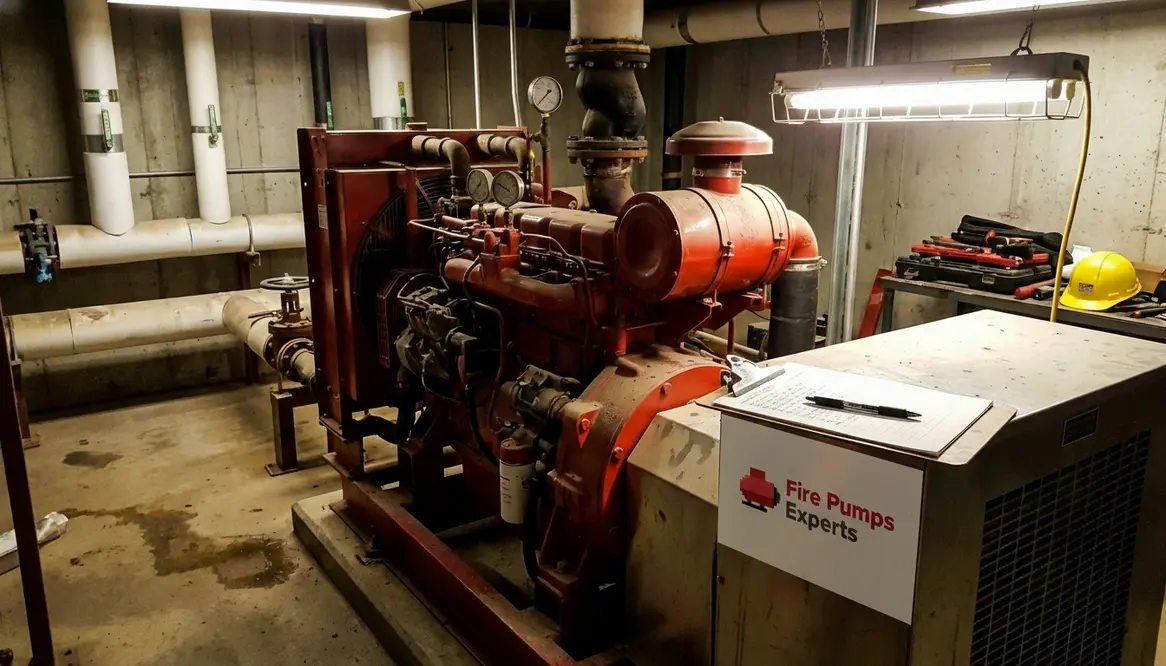
When I walk into a hospital mechanical room, I am not just looking at equipment. I am looking at compliance with NFPA 20, NFPA 25, and local city codes that often tighten the rules even further. Hospitals, in particular, fall under stricter scrutiny because lives depend on uninterrupted operation.
First, every fire pump must meet specific flow and pressure ratings based on building size and hazard level. Then, redundancy becomes key. In many urban hospitals, I see backup pumps or dual power sources because a single point of failure is simply not acceptable.
Inspection and testing that never takes a week off
Additionally, inspection and testing intervals are not suggestions. Weekly churn tests, monthly inspections, and annual flow testing all play a role. That is where structured fire pump maintenance scheduling steps in, ensuring nothing slips through the cracks. And trust me, inspectors do not miss much. They have a knack for spotting issues like a detective in a crime drama.
How I Approach Fire Pump Maintenance Scheduling in High Rise Buildings
High rise facilities bring their own personality to the table. They are tall, complex, and sometimes a little dramatic. Water pressure alone becomes a challenge, which is why fire pumps must perform flawlessly every time.
Building the right service calendar
I start with a clear service calendar. Then, I align it with occupancy demands. For example, I avoid peak hours in commercial towers because shutting systems down at the wrong time can disrupt business operations.
Moreover, I always coordinate with building engineers and safety managers. This keeps everyone informed and prevents surprises. Because nothing ruins a Tuesday faster than an unexpected alarm test during a board meeting.
The core elements of a reliable schedule
Proper scheduling also includes:
- Routine visual inspections for leaks and wear
- Controller testing and alarm verification
- Fuel checks for diesel driven systems
- Performance trend tracking over time
As a result, the system stays reliable, and compliance remains intact without last minute panic.
If you need a partner for inspections, testing, or upgrades, a dedicated fire pump specialist like Kord Fire Protection can help keep your hospital’s systems inspection-ready all year long.
Why Urban Codes Demand More Than the Minimum
City environments add layers of complexity that suburban systems rarely face. Fire departments in places like New York, Chicago, or Los Angeles expect more than basic compliance. They expect readiness under pressure, literally.
For instance, many cities require additional reporting, digital logs, and immediate correction of deficiencies. Therefore, I always build documentation into my workflow. If it is not recorded, it might as well not have happened.
Furthermore, older buildings often need retrofits. I have seen systems that were installed decades ago still in operation. While impressive, they require careful upgrades to meet modern standards. It is a bit like keeping a classic car running. Charming, yes. Low maintenance, not even close.
Common Urban Challenges
- Limited space for equipment upgrades
- Aging infrastructure
- High occupancy loads
- Strict inspection timelines
My Practical Solutions
- Phased system upgrades
- Detailed maintenance tracking
- Coordination with local authorities
- Predictive servicing strategies
The Role of Fire Pump Maintenance Scheduling in Long Term Reliability
I like to think of fire pump maintenance scheduling as a long game. You are not just fixing what is broken. You are preventing failure before it even thinks about showing up.
Because of that, I rely heavily on data. Flow test results, vibration readings, and pressure trends all tell a story. When something shifts, even slightly, I act early. That proactive approach saves money and avoids system downtime.
Hospitals, downtime, and the cost of getting it wrong
In large facilities, downtime is not just inconvenient. It can mean temporary shutdowns, compliance violations, or worse. So, I keep schedules tight and consistent. Not flashy, but effective. Kind of like a good referee in a game. You barely notice them, and that is exactly the point.
How I Ensure Compliance Without Disrupting Operations
Balancing safety and business continuity is an art. I have learned that communication is everything. Before any test or inspection, I notify stakeholders, coordinate timelines, and confirm system readiness.
Then, I use phased testing when possible. This keeps protection active while still allowing for thorough evaluation. Hospitals, especially, cannot afford full system downtime. Lives depend on continuous operation.
Also, I make documentation simple and accessible. Digital logs, automated reminders, and clear reporting help everyone stay aligned. Because in large facilities, confusion spreads faster than a viral meme.
Turning fire pump maintenance scheduling into a hospital habit
When fire pump maintenance scheduling is built into the hospital’s culture—tied to shift routines, digital CMMS reminders, and recurring vendor visits—it stops feeling like a disruption and starts feeling like just another part of keeping patients safe.
FAQ: Fire Pump Requirements for Large Facilities
The most common questions I hear from hospital facility teams usually circle the same themes: frequency, redundancy, failure, documentation, and disruption.
Final Thoughts and Next Steps
When I look at fire protection in hospitals and major facilities, I see more than systems and codes. I see responsibility. With the right approach to maintenance, planning, and compliance, these systems stand ready when it matters most. If you manage a large property, now is the time to tighten your strategy, refine your schedules, and partner with experts who understand the stakes. Because when everything is on the line, preparation is not optional. It is everything.
Treat your fire pump maintenance scheduling like the unseen backbone of your hospital’s safety program: predictable, well-documented, and quietly dependable. When the alarms sound, you want to know that every calendar reminder, every inspection note, and every test you planned was worth it.