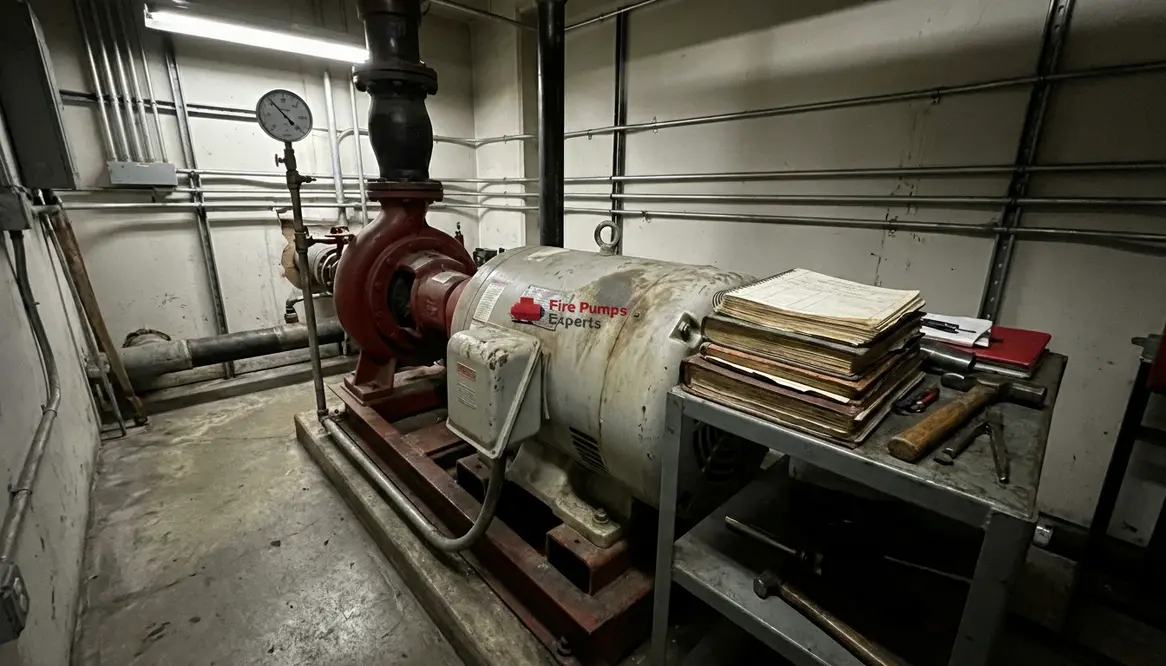
Fire Pump Motor Overload Torrance Risk Guide
I have spent years walking through mechanical rooms in large buildings across Torrance, and I can tell you this: when a fire pump motor starts acting up, it does not whisper. It roars. And in high demand properties, that roar often points to one thing, fire pump motor overload Torrance conditions that creep in quietly and then strike at the worst possible moment. So, let me walk you through what really happens, why it matters, and how to stay ahead of it without losing sleep or your sense of humor.
Understanding Fire Pump Motor Overload in High Demand Buildings
In simple terms, overload happens when the motor draws more current than it was designed to handle. However, in large commercial and industrial facilities, the story gets a bit more dramatic. These buildings demand consistent water pressure across multiple floors, zones, and systems. Consequently, the motor works harder, longer, and sometimes beyond its limits.
Now, picture your fire pump like a marathon runner. It performs beautifully when trained well. But if you suddenly ask it to sprint uphill while carrying extra weight, something gives. That “something” is often heat buildup, insulation breakdown, or electrical strain.
Moreover, in Torrance where infrastructure ranges from modern high rises to aging industrial complexes, these systems face mixed conditions. Therefore, even a well installed pump can drift into overload territory if not monitored closely. That mix of old and new is exactly where fire pump motor overload Torrance problems like to hide.
Why do fire pump motors overload in Torrance facilities?
I get this question a lot, and the answer is rarely just one thing. Instead, it is a combination of stressors that stack up over time.
Fluctuating power supply
First, fluctuating power supply plays a role. When voltage drops, motors compensate by drawing more current. As a result, overload conditions begin to form.
Mechanical resistance
Second, mechanical resistance creeps in. Worn bearings, misalignment, or even minor debris can force the motor to work harder than intended. It is like driving with the parking brake slightly on. You will move, but not gracefully.
System demand spikes
Third, system demand spikes. Large buildings often expand usage without upgrading fire protection systems. Consequently, pumps designed for yesterday’s load struggle with today’s expectations.
Lack of routine testing
And finally, lack of routine testing seals the deal. Without regular performance checks, small inefficiencies quietly grow into serious overload risks and full-blown fire pump motor overload Torrance failures at the least convenient time.
Fire Pump Motor Overload Torrance Risk Factors in Large Properties
When I evaluate a property, I look for patterns. Certain conditions almost always signal higher overload risk.
Operational stressors
- Extended run times during peak demand
- Frequent start and stop cycles
- Undersized motors for building load
- Inconsistent water supply pressure
Environmental and system issues
- Poor ventilation in pump rooms
- Electrical imbalance across phases
- Aging wiring or outdated controls
- Corrosion or scale inside piping
Interestingly, many facility managers assume newer buildings are immune. However, newer systems often run closer to capacity by design. So, while they look sleek, they leave less margin for error.
How I Identify Early Warning Signs Before Failure
Here is where experience becomes your best friend. Overload does not usually arrive unannounced. Instead, it leaves clues.
I listen for unusual humming or vibration changes. I check temperature rises in motor housings. I also monitor amperage trends during routine tests. If the numbers slowly climb over time, that is a red flag waving like it is trying to get your attention at a rock concert.
Additionally, I review controller logs. Modern systems track faults, and those records tell a story. When minor trips become more frequent, the system is asking for help.
Most importantly, I never ignore subtle performance dips. Because in this line of work, “almost fine” is just a polite way of saying “about to fail.”
Smart Prevention Strategies That Actually Work
Preventing overload is not about one magic fix. Instead, it is about consistent, intentional care.
Load testing and electrical integrity
First, I ensure proper load testing. This confirms the system operates within safe limits under real conditions. Then, I verify electrical integrity. Balanced voltage and clean connections reduce unnecessary strain.
Mechanical health
Next, I prioritize mechanical health. Lubrication, alignment, and component checks keep resistance low. Think of it as keeping the engine tuned rather than waiting for it to cough dramatically.
Modern controls and monitoring
Furthermore, I recommend upgrading controls when needed. Modern controllers provide better monitoring and protection, which is especially important in high demand environments where a fire pump motor overload Torrance event can ripple across operations.
Documentation and trend tracking
Finally, I emphasize documentation. When you track performance over time, patterns emerge. And patterns, in this case, are incredibly useful.
Keeping Systems Reliable Without Overthinking It
There is a balance here. You do not need to hover over your fire pump like it is a fragile piece of art. However, you also cannot treat it like an old office printer that somehow still works despite everyone ignoring it.
Consistency wins. Regular inspections, informed adjustments, and proactive upgrades create a system that performs when it matters most. And in a city like Torrance, where large facilities operate at full tilt, that reliability is not optional. Planning ahead for fire pump motor overload Torrance risk is far less painful than explaining why the system failed when it was needed.
FAQ
How can I tell if my motor is overloaded?
Look for overheating, unusual noise, rising amperage, or frequent breaker trips.
Is overload common in large buildings?
Yes, especially in high demand commercial and industrial properties with aging or undersized systems.
Can overload damage the entire fire system?
Yes, prolonged overload can lead to motor failure and reduced fire protection performance.
How often should fire pumps be tested?
Weekly visual checks and monthly or annual performance testing depending on system requirements.
Final Thoughts and Next Steps
If you manage a large facility, ignoring early signs of overload is a gamble you do not want to take. I recommend scheduling a professional evaluation to assess performance, electrical health, and system demand. A well tuned fire pump system protects more than property. It protects people, operations, and peace of mind. Reach out, get it checked, and keep everything running exactly as it should when it matters most. When in doubt about fire pump motor overload Torrance issues, have a qualified team audit your setup and keep your documentation in one place. For additional technical resources, you can review guidance at https://firepumps.org.