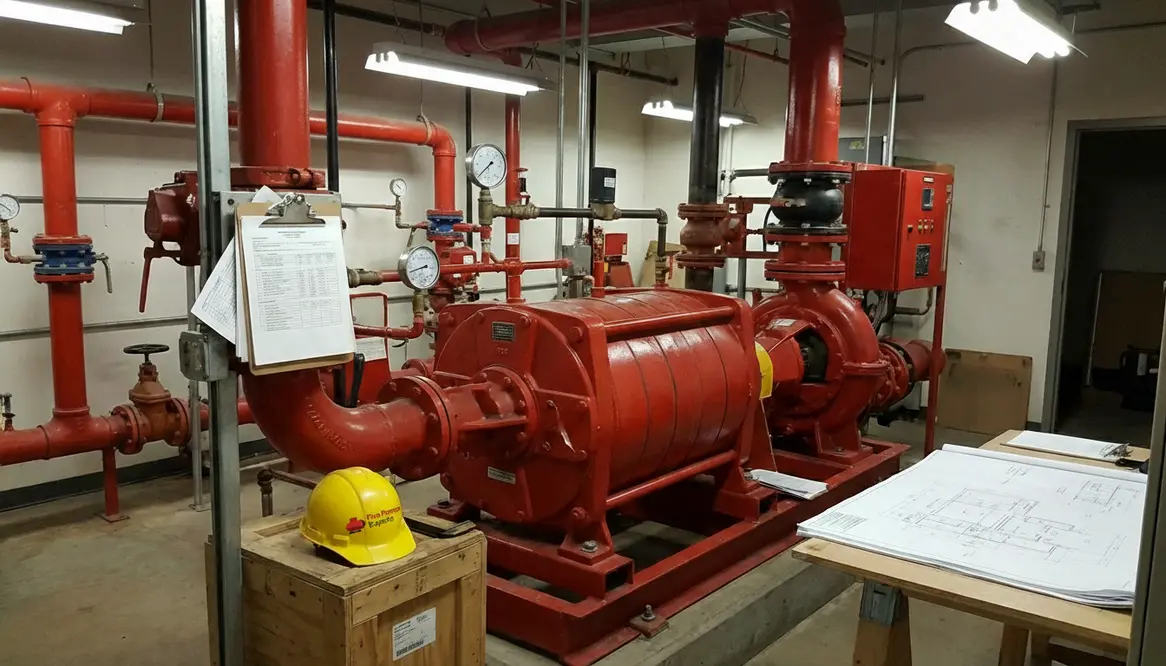
Fire Pump Planning for Code Compliance and Safety
I have spent enough time around commercial and industrial facilities to know one thing for certain. Fire safety is never an afterthought, or at least it should not be. When I plan systems that include our multi-level commercial fire pumps, I am not just thinking about water pressure. I am thinking about code compliance, inspections, and that quiet confidence building owners need when everything is on the line. And yes, while fire codes may not sound like thrilling dinner conversation, they carry more weight than the final scene of a blockbuster movie where everything depends on one decisive moment.
So let us walk through how proper fire pump planning does more than check boxes. It builds a system that stands up to scrutiny and performs when it matters most.
Why Fire Pump Planning Is the Backbone of Code Compliance
Code compliance does not begin with paperwork. It begins with design. I approach every project knowing that fire codes such as NFPA 20 are not vague suggestions. They are precise, detailed, and often unforgiving.
Because of that, planning a fire pump system early ensures that flow rates, pressure requirements, and redundancy align with the structure’s demands. In large commercial buildings or industrial campuses, this becomes even more critical. If the system is undersized or poorly configured, it will not pass inspection. Worse, it may fail when needed.
However, when I align the pump selection with the building layout from the start, compliance becomes a natural outcome rather than a last minute scramble. It is a bit like assembling furniture with instructions instead of guessing. One approach saves time. The other creates stress and leftover screws.
How Do I Align Fire Pump Design With NFPA Requirements?
I begin by mapping out the building’s risk profile. That includes occupancy type, hazard classification, and system demand. Then, I match those needs with pump capacity and configuration.
For example, in high rise or multi zone facilities, I often rely on multi stage pump systems that can maintain consistent pressure across levels. This is where multi-level commercial fire pumps truly shine. They allow me to meet varying pressure demands without overloading any single component.
Additionally, I ensure that controllers, power supplies, and backup systems meet code requirements. Redundancy is not optional. It is expected. And while that might sound excessive, it is far less dramatic than explaining a system failure to an inspector who has seen it all before.
Designing for Real World Conditions, Not Just Paper Compliance
Meeting code on paper is one thing. Meeting it in the real world is another. I always consider factors like water supply reliability, temperature conditions, and long term wear.
Because of this, I avoid designing systems that operate at their absolute limits. Instead, I build in a margin of safety. This approach not only supports compliance but also extends system life.
Moreover, I coordinate closely with engineers and facility managers. Their input ensures that installation conditions match design assumptions. Otherwise, even the best plan can fall apart faster than a plot twist in a soap opera.
Key Planning Elements That Inspectors Actually Care About
Inspectors are not looking for creativity. They are looking for consistency, reliability, and adherence to standards. Over time, I have learned where they focus their attention.
System Performance
- Accurate flow and pressure output
- Proper pump sizing
- Reliable startup performance
Installation Integrity
- Correct pipe layout
- Accessible components
- Code compliant electrical connections
Because I plan with these priorities in mind, inspections become smoother. Not effortless, but certainly less dramatic than they could be.
The Role of Advanced Pump Systems in Large Facilities
In expansive commercial and industrial environments, complexity increases quickly. Multiple floors, varying hazard zones, and long pipe runs all demand a more advanced approach.
This is where integrated systems come into play. By using multi-level commercial fire pumps, I can create a balanced system that adapts to different pressure zones without compromising performance. Additionally, these systems support scalability, which is essential for facilities that may expand over time.
Furthermore, advanced monitoring tools allow facility managers to track system health continuously. This not only supports compliance but also reduces downtime. And let us be honest, fewer surprises is always a good thing.
Avoiding Common Planning Mistakes That Break Compliance
I have seen projects go sideways for reasons that could have been avoided with better planning. The most common issue is underestimating system demand. When that happens, everything downstream suffers.
Another frequent mistake is poor coordination between disciplines. If the electrical system cannot support the pump, or if space constraints limit installation, compliance becomes difficult.
Therefore, I always take a collaborative approach. By aligning all stakeholders early, I reduce the risk of costly revisions later. It is not glamorous work, but it is effective.
FAQ: Fire Pump Planning and Code Compliance
What codes govern fire pump systems?
NFPA 20 is the primary standard for fire pump installation in commercial and industrial facilities.
Why is early planning important for compliance?
It ensures the system meets flow, pressure, and safety requirements before installation begins.
How do fire pumps support large buildings?
They maintain consistent water pressure across multiple levels and zones.
What happens if a system fails inspection?
The facility must correct issues, which can delay operations and increase costs.
Are advanced pump systems necessary?
Yes, especially for large or complex properties where demand varies across the structure.
Conclusion: Build It Right the First Time
When I plan fire pump systems, I am not chasing compliance. I am building toward it with intention and precision. The right design, the right equipment, and the right coordination make all the difference. If you are managing a commercial or industrial facility, now is the time to get serious about your fire protection strategy. Work with experts who understand the stakes and design systems that pass inspection and perform when it counts.