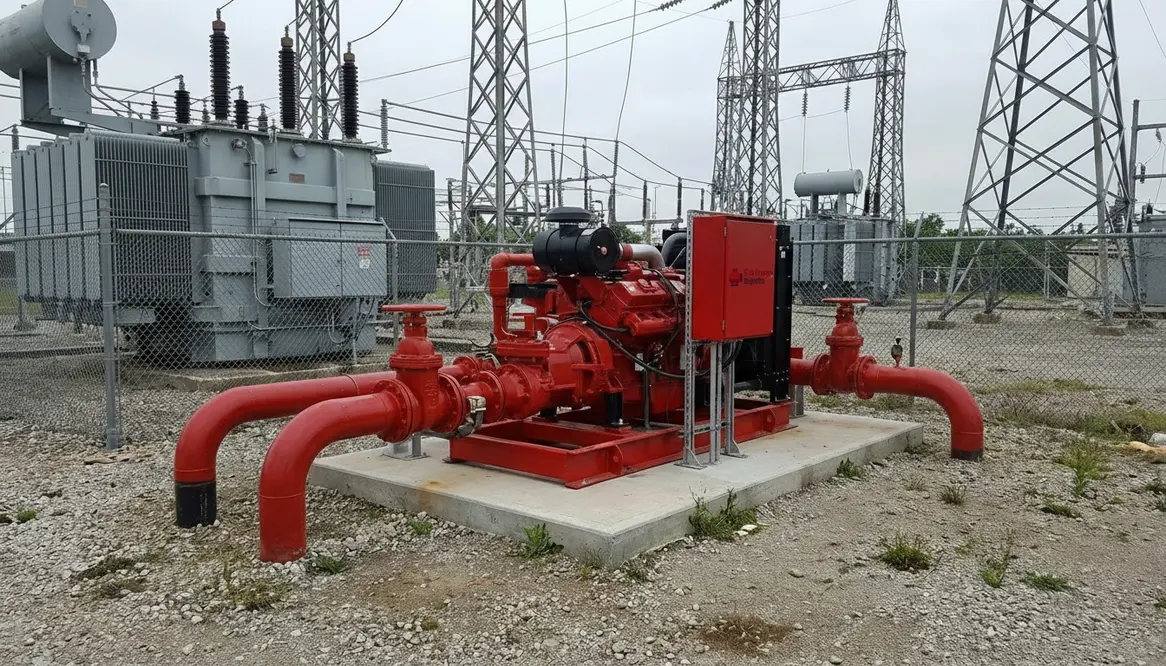
Fire Pump Requirements for Utility Substations
I have spent enough time around utility substations to know one thing for certain. Electricity may be invisible, but its risks are anything but. When I think about brownfield redevelopment fire protection, I see more than old land getting a second life. I see complex electrical infrastructure stepping into modern compliance, where fire pumps quietly stand guard like the unsung heroes of a blockbuster film. And yes, they rarely get the spotlight, but when things heat up, they become the main character real fast.
So let me walk you through what really matters when it comes to fire pump requirements for utility substations. Not the dry checklist version, but the version that actually keeps systems running and people safe.
What makes fire pump systems critical in substations?
Utility substations are not your average commercial buildings. They carry high voltage equipment, oil filled transformers, and a very real potential for fast moving fires. Because of that, I always treat fire pumps as essential infrastructure, not optional upgrades.
Unlike office spaces, substations demand immediate water delivery at the right pressure. Therefore, a fire pump must activate without hesitation. If it stalls, delays, or underperforms, the consequences can escalate quickly. Think less small kitchen mishap and more action movie explosion, minus the dramatic soundtrack.
Additionally, substations often sit in remote or industrial zones. Municipal water pressure may not meet demand. That is where a properly designed fire pump system bridges the gap, ensuring reliable flow regardless of location. In the context of brownfield redevelopment fire protection, this gap-closing role becomes even more important as older sites evolve into modern, higher-value assets.
Design standards I follow for substation fire pumps
When I approach design, I lean heavily on established standards, but I also respect the unique nature of each facility. NFPA 20 sets the backbone for fire pump installation, while NFPA 850 guides fire protection for electric generating plants and substations.
However, standards alone are not enough. I always evaluate:
- Transformer oil hazards since oil fires behave differently than typical combustibles
- Water supply reliability including backup sources when primary supply fails
- System redundancy because one pump is good, but two is peace of mind
- Environmental exposure such as freezing temperatures or flood risks
Moreover, in brownfield site fire safety planning, existing infrastructure can complicate layouts. Older piping, limited space, and legacy systems often require creative engineering. It is a bit like renovating an old house where nothing is square and every wall has a story. In many brownfield redevelopment fire protection projects, simply threading new pipe through the maze of old steel and concrete becomes its own small engineering thriller.
Choosing the right fire pump type for utility infrastructure
I do not believe in one size fits all solutions. In substations, pump selection depends on performance demand, space constraints, and reliability expectations.
Electric motor driven pumps
Electric motor driven pumps work well when power reliability is strong. They are efficient and easier to maintain. For indoor or well-protected pump rooms with stable utility feeds, they usually earn the top spot on the list.
Diesel driven pumps
Diesel driven pumps provide independence from the electrical grid. In substations, that independence can be priceless during outages. When the entire point of the fire protection system is to work in the worst-case scenario, a pump that ignores grid failures earns its keep very quickly.
Vertical turbine pumps
Vertical turbine pumps become essential when water sources sit below ground, such as tanks or wells. For land-constrained substations or brownfield parcels where underground storage is the only practical option, they often make the difference between a compliant design and a nonstarter.
Consequently, I often recommend a combination approach. Pairing electric and diesel pumps creates a layered defense. If one fails, the other steps in. It is not dramatic, but it is dependable, and that is what matters. In some brownfield redevelopment fire protection strategies, that dual approach becomes a key selling point when presenting risk controls to insurers and regulators.
brownfield redevelopment fire protection challenges in existing substations
Working on existing sites introduces a different kind of complexity. Space is tighter. Infrastructure is older. And documentation can feel like a treasure hunt where the map is missing.
Still, I approach these projects with a clear focus. First, I assess what can be reused safely. Then, I identify gaps where modern fire pump systems must step in. Upgrading does not always mean replacing everything. Sometimes, it means reinforcing what works and upgrading what does not.
In environmental site fire safety upgrades, water supply is often the biggest hurdle. Older substations may rely on undersized mains or outdated storage. Therefore, I frequently integrate dedicated water tanks or boost systems to meet demand.
And yes, there are moments where I feel like I am solving a puzzle designed by someone who really enjoyed chaos. But that is part of the job. The more tangled the layout, the more satisfying it is when the final fire pump configuration snaps into place and finally makes sense of the site.
Key system components I never overlook
Core Components
- Fire pump controller with automatic start
- Reliable suction and discharge piping
- Pressure relief valves
- Test headers for performance checks
Support Systems
- Fuel supply for diesel pumps
- Backup power sources
- Monitoring and alarm integration
- Weather protection enclosures
Each component plays a role in keeping the system functional under stress. Missing one detail can weaken the entire setup. And in substations, weak links do not stay hidden for long. In projects where brownfield redevelopment fire protection is a central objective, those weak links have a way of resurfacing during audits, so it pays to find and fix them before the inspectors do.
How I ensure compliance and long term performance
Designing the system is only half the story. I always emphasize testing, inspection, and maintenance. Fire pumps need regular churn tests, flow testing, and system checks.
Furthermore, documentation matters. Clear records help teams track performance and identify issues early. I also make sure staff understand how the system works. Because even the best equipment cannot compensate for confusion during an emergency.
In addition, I encourage periodic system reviews. As substations expand or change, fire protection needs evolve. What worked five years ago may not meet today’s demands. That is especially true at former industrial sites undergoing phased upgrades, where each construction stage can subtly shift the hydraulic profile and change the expectations placed on your fire pumps.
When questions come up, pointing teams toward solid technical resources, like the guidance available at https://firepumps.org, helps keep decisions grounded in proven practice instead of guesswork.
FAQ
Final thoughts and next steps
If you are managing or upgrading a utility substation, do not treat fire pumps as an afterthought. I have seen firsthand how the right system transforms risk into resilience. Whether you are planning new construction or tackling a redevelopment project, now is the time to act. Reach out, evaluate your current setup, and make sure your fire protection is ready when it matters most. Because when the pressure rises, your system should not hesitate.