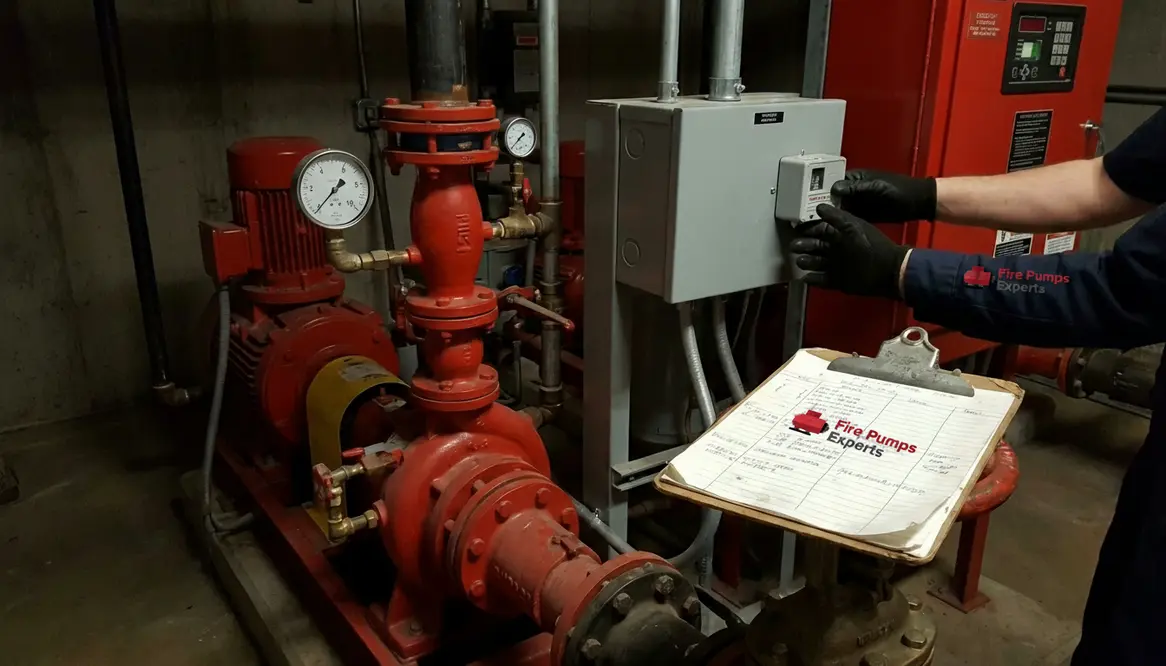
Fire Pump Repair Nashville Pressure Switch Flow Issues
Inside Nashville’s mechanical rooms, fire pumps stand guard over the city’s tallest towers, busiest hospitals, and hardest working industrial facilities. When they fail, the entire protection strategy is suddenly on borrowed time.
I have spent years around mechanical rooms that hum like quiet orchestras. In large buildings across Tennessee, those rooms hold the silent guardians of safety: fire pumps. When they work well, nobody notices. However, when something goes wrong, suddenly everyone cares.
In Nashville’s commercial towers, hospitals, and industrial facilities, the usual suspects tend to show up again and again. Pressure switches that misbehave. Relief valves that act like they have stage fright. Flow problems that sneak in quietly and cause chaos. That is why discussions around fire pump repair Nashville pressure switch relief valve flow issues matter more than most people realize. I have seen small component failures grow into expensive downtime faster than a Marvel movie turns into a franchise.
Why These Problems Deserve Attention
Pressure switches, relief valves, and flow paths form the nervous system of a fire pump installation. When they fall out of calibration or get neglected, you are not just dealing with “equipment trouble.” You are gambling with how effectively your building responds during a real fire event.
So instead of a dry manual, consider this a walk through the pump room — valves hissing quietly, gauges twitching, and the air smelling faintly like machine oil and determination.
How Fire Pumps Keep Large Nashville Facilities Protected
First, let us set the stage.
In commercial and industrial buildings, fire pumps exist for one reason: they move water where gravity cannot. Sprinkler systems depend on steady pressure. Without it, the entire system becomes little more than decorative plumbing that looks impressive but performs poorly when it counts.
However, the pump itself is only part of the story. A fire pump system includes several components working in harmony.
- Pressure switches tell the pump when to start.
- Relief valves control excess pressure.
- Flow conditions determine whether water actually reaches the sprinkler network the way engineers intended.
When one part slips out of rhythm, the whole system feels it. Therefore, building engineers often call specialists when pressure fluctuations appear or when pumps cycle too frequently. In Nashville’s larger properties, those signals often point directly to the mechanical trio that keeps technicians busy: pressure switches, relief valves, and flow regulation.
Each plays a role. Each can fail in unique ways. And each failure tends to appear right when nobody wants surprises.
What Causes Pressure Switch Failures in Fire Pump Systems
Pressure switches are the decision makers of the system. They monitor water pressure and tell the pump when to start. In theory, it is simple: when pressure drops, the switch activates the pump controller.
However, real life rarely behaves like a textbook diagram.
How Pressure Switches Drift Out of Line
- Sediment and corrosion clog sensing lines.
- Internal diaphragms stiffen or wear out.
- Electrical contacts burn or pit after years of cycling.
- Settings are adjusted “temporarily” during troubleshooting and never reset.
Risks of a Misbehaving Pressure Switch
- Delayed start that reduces sprinkler performance during a fire.
- Short cycling that wears motors and controllers.
- Pump running when it should not, overheating equipment.
- False alarms that cause building staff to ignore real issues.
Therefore I often recommend routine inspection of sensing lines and switch calibration. It sounds basic. Yet many facilities skip it until alarms start behaving like a smoke detector with a dying battery at three in the morning. Not ideal.
In Nashville’s larger commercial properties, technicians frequently trace operational irregularities back to these pressure controls. And while the component itself looks humble, its influence over the system is enormous, especially when you are wrestling with fire pump repair Nashville pressure switch relief valve flow issues that are long overdue for attention.
Understanding Relief Valve Problems in High Pressure Pump Rooms
Relief valves are the quiet safety net. When pressure rises above safe limits, the valve releases excess water. This protects pipes, fittings, and pump components from damage.
However, relief valves can develop issues that go unnoticed for years.
Common Relief Valve Failures
- Mineral buildup interfering with valve seating.
- Weakening springs changing opening pressure.
- Settings drifting after unrecorded adjustments.
- Sticking mechanisms that delay or prevent opening.
Why It Matters Under Real Pressure
A valve that releases water too soon reduces system pressure during testing. Meanwhile a valve that stays closed during pressure spikes can stress the piping network. Neither outcome is good, and both quietly erode the reliability you think you have.
Consequently, technicians performing fire pump repair Nashville pressure switch relief valve flow issues inspections pay special attention to valve discharge lines and pressure readings during pump churn conditions. It is not glamorous work. Nobody writes action movies about relief valve calibration. Although if Hollywood ever does, I hope they at least cast someone with a good wrench technique.
If your relief valve testing keeps raising eyebrows, it may be time to involve a full-service fire protection team that handles fire pumps every day. Teams like those at Kord Fire Protection’s fire pump services understand how valves, controllers, and pump curves fit together under real-world demands.
Why Flow Issues Appear in Commercial Fire Pump Systems
Flow problems often hide deeper inside the system. While pressure gauges may look normal, the actual water delivery can suffer from hidden restrictions or mechanical wear.
In many Nashville industrial facilities, I see several common causes.
Mechanical Causes
- Worn impellers reducing pump efficiency.
- Air trapped in suction lines.
- Partially closed valves.
- Misaligned couplings between pump and driver.
System Related Causes
- Undersized or aging supply lines.
- Debris buildup inside sprinkler mains.
- Backflow device restrictions.
- Changes to building plumbing over time.
Additionally, flow issues often appear gradually. At first, testing numbers look slightly off. Months later, the difference becomes obvious. That is why annual flow testing and system performance checks matter so much in large commercial properties. Numbers tell stories long before equipment fails, and they reveal developing fire pump repair Nashville pressure switch relief valve flow issues that do not yet trigger alarms.
How I Diagnose Fire Pump Problems in Nashville Buildings
When I walk into a pump room, I treat it like a detective scene. The gauges speak first. Pressure readings reveal whether the pump performs within expected curves. After that, I listen to the motor and driver. A healthy system has a certain rhythm.
A Step-by-Step Diagnostic Routine
- Check suction and discharge pressures against pump curves.
- Listen for bearing noise, vibration, or coupling chatter.
- Verify pressure switch activation points and sensing line integrity.
- Inspect the relief valve assembly and discharge piping for constant or erratic flow.
- Compare current flow test data with previous reports to spot trends.
Over time, this process turns into a kind of mechanical storytelling. Every gauge reading adds a chapter. And every once in a while, the culprit ends up being something surprisingly simple — like a valve someone closed halfway during maintenance and forgot about. Believe me, it happens more often than anyone likes to admit.
How Facility Managers Can Prevent Major Pump Failures
Prevention always costs less than emergency repair. In large commercial or industrial facilities, a few proactive steps can keep systems reliable for decades and prevent nagging fire pump repair Nashville pressure switch relief valve flow issues from turning into shutdowns.
- Schedule annual fire pump performance testing.
- Inspect pressure switch calibration during routine maintenance.
- Monitor relief valve discharge activity.
- Track flow data across multiple testing cycles.
- Document any unusual pump cycling behavior.
Additionally, facility teams benefit from working with technicians who specialize in high capacity systems. Commercial fire protection equipment operates under different demands than small scale systems. Large buildings require reliability under extreme conditions. Consequently, even small adjustments in pressure control or valve performance can make a significant difference.
Simple Habits That Pay Off
A logbook, a consistent testing schedule, and a technician who knows your system’s “normal” behavior are worth more than the fanciest gadget. They turn random data points into patterns — and patterns into early action instead of late-night emergencies.
FAQ: Fire Pump Systems in Commercial Buildings
Facility teams across Nashville ask many of the same questions when they start noticing fire pump repair Nashville pressure switch relief valve flow issues. Here are clear, straightforward answers.
Keep Nashville Fire Pump Systems Running Strong
Fire pump systems protect the buildings that keep Nashville moving. Hospitals, distribution centers, manufacturing plants, and high rise offices all rely on them. When pressure controls, relief valves, or water flow begin to drift out of balance, the entire protection strategy weakens.
If your facility shows warning signs — frequent cycling, odd pressure readings, noisy starts, or questionable test results — it is time to bring in experienced technicians. Addressing fire pump repair Nashville pressure switch relief valve flow issues early keeps systems reliable, helps maintain compliance, and protects the people who walk through your doors every day.
Reach out today, schedule a thorough inspection, and make sure your fire pump is not just installed, but truly ready for the moment it is needed most.