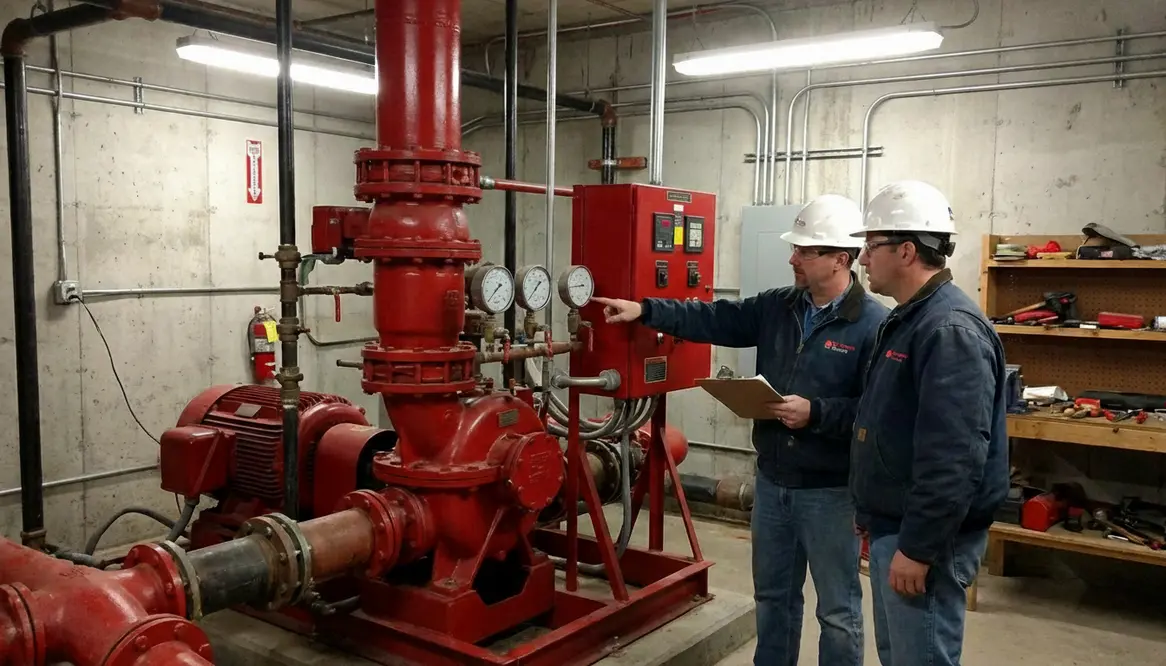
Fire Pump Acceptance Test Nashville Common Flags
Fire Pump Acceptance Test Nashville Common Inspection Flags: What I See Inspectors Catch Most Often
I have stood in plenty of mechanical rooms where the air smells faintly of diesel, warm steel, and just a little bit of nervous anticipation. That is the atmosphere of an acceptance test. When a commercial or industrial facility in Nashville prepares for inspection, the fire pump becomes the star of the show. And believe me, inspectors watch closely.
Early in the process, I often explain the fire pump acceptance test nashville common inspection flags that tend to trip people up. Owners of hospitals, high rise towers, manufacturing plants, and distribution facilities usually assume the equipment itself will pass. However, inspections rarely fail because the pump refuses to spin. Instead, inspectors flag documentation gaps, setup issues, and overlooked installation details.
So today I will walk you through what usually gets flagged during these tests. Think of it like a backstage tour before the big performance. Because when the inspector shows up, nobody wants the fire protection system behaving like a nervous actor who forgot their lines.
How I Explain a Fire Pump Acceptance Test to Facility Teams
When facility managers ask what actually happens during an acceptance test, I keep the answer simple. The test proves that the installed fire pump can deliver the required water flow and pressure to protect the building.
However, the process is not just about turning a switch and watching water move. Inspectors follow NFPA 20 and local Nashville requirements carefully. They review the installation, witness performance tests, and confirm that the system behaves exactly as designed.
First, we verify the mechanical installation. After that, we run the pump through churn, rated flow, and peak demand conditions. Meanwhile, the inspector watches gauges, electrical readings, and alarms.
Consequently, even a well built pump system can stumble if the setup around it is incomplete. I often remind teams that inspectors are like movie directors. They are not just watching the lead actor. They are checking lighting, sound, timing, and the entire stage.
Fire Pump Acceptance Test Nashville Common Inspection Flags I See Most Often
Over the years, patterns emerge. The same problems appear again and again across large commercial and industrial buildings. Some are small. Others can delay an occupancy certificate faster than a Nashville thunderstorm.
Here are several fire pump acceptance test nashville common inspection flags I see repeatedly.
1. Incorrect Pressure Gauge Placement
Inspectors pay close attention to gauges. If they are installed in the wrong locations or not calibrated properly, the entire performance test becomes questionable. Therefore, inspectors often verify gauge accuracy before the test even begins.
2. Incomplete Controller Programming
The fire pump controller must trigger properly during pressure drops. Yet I frequently see controllers that were never fully programmed or tested. As a result, alarms, automatic starts, or phase monitoring may not behave correctly.
3. Missing or Incorrect Relief Valves
Relief valves protect the system from excessive pressure. When they are set incorrectly, inspectors will immediately pause the test. Nobody wants a pipe system behaving like a shaken soda bottle.
4. Poor Test Header Setup
Test headers allow inspectors to measure flow during the acceptance test. Unfortunately, some installations restrict flow or lack proper caps and valves. Consequently, the pump cannot demonstrate its true performance.
5. Documentation That Looks Like It Was Written During Lunch
Yes, inspectors absolutely review paperwork. Missing shop drawings, incomplete pump curves, or unsigned reports can stop an inspection cold. It is not glamorous, but paperwork matters.
When Inspectors Start Looking Closer
Once the pump begins running, the inspection becomes more technical. Inspectors analyze performance curves and system response. Meanwhile, I watch facility teams slowly realize that every small detail suddenly matters.
Many fire pump acceptance test nashville common inspection flags appear during this performance phase.
For example, the pump must hit specific flow benchmarks at different pressures. If the numbers drift outside acceptable ranges, the inspector may suspect suction issues, misaligned impellers, or incorrect pump sizing.
Additionally, inspectors verify automatic starting through pressure drop simulation. If the controller hesitates or alarms incorrectly, that becomes another red flag.
And then there is the power supply.
Electric fire pumps must demonstrate stable voltage during operation. Diesel pumps must show proper engine performance, cooling, and fuel supply. If either system stumbles, inspectors immediately investigate further.
It reminds me of a classic scene from Apollo 13. Everything works beautifully until someone says, “Let’s just run one more test.” Suddenly everyone leans forward.
Common Installation Mistakes That Lead to Failed Tests
In my experience, many inspection problems start months earlier during installation. Contractors move fast, schedules tighten, and small details slip through the cracks.
The result often shows up as additional fire pump acceptance test nashville common inspection flags during the final inspection.
Mechanical Issues I Frequently See
- Suction piping that does not meet straight pipe requirements
- Improperly installed eccentric reducers
- Missing pipe supports near pump connections
- Improperly sized suction lines
- Air pockets created by poor pipe orientation
Electrical and Control Issues
- Incorrect controller wiring
- Improper emergency power connections
- Alarm circuits not tied into the fire alarm system
- Voltage drop during start conditions
- Incomplete supervisory monitoring
Each of these issues may seem minor during installation. However, during an acceptance test they become very visible. Water flow does not lie. Pressure gauges do not politely ignore mistakes.
What Facility Owners in Nashville Often Ask Me Before an Inspection
Before major inspections, property managers often gather around the pump room like a group preparing for a championship game. The question I hear most often sounds something like this.
What can we check before the inspector walks through the door?
I usually suggest a structured pre test review. First, confirm that the pump curve matches the installed equipment. Next, verify all gauges are calibrated and properly located.
After that, simulate controller starts. Watch for alarm signals and verify that monitoring points reach the fire alarm panel. Finally, review documentation thoroughly.
Doing this simple review eliminates many fire pump acceptance test nashville common inspection flags before the official inspection even begins.
And yes, I also recommend running a full flow test beforehand. Think of it as a rehearsal. Broadway actors rehearse for months before opening night. Your fire pump deserves at least one practice run.
Why Large Commercial Buildings Cannot Afford Inspection Delays
For major facilities, a failed acceptance test creates more than inconvenience. Hospitals, distribution centers, corporate towers, and manufacturing plants rely on fire protection systems to secure occupancy approvals.
When inspectors identify serious fire pump acceptance test nashville common inspection flags, project timelines can stall. Contractors must return, equipment may require modification, and additional inspections must be scheduled.
Meanwhile, tenants wait. Equipment deliveries pause. Operational schedules shift.
In other words, a pump room mistake can echo throughout the entire project.
That is why preparation matters. A well organized acceptance test moves smoothly, often finishing in just a few hours. Everyone signs the paperwork, the inspector nods approvingly, and the building moves one step closer to full operation.
If you want a deeper look at ongoing fire pump services beyond acceptance testing, explore how full-service providers handle diesel and electric pumps, routine churn tests, and system inspections at Kord Fire Protection’s fire pump services overview so you can compare approaches and expectations.
FAQ: Fire Pump Acceptance Testing in Nashville
Conclusion
Preparing for an acceptance test does not need to feel like a suspense movie. With proper planning, careful installation, and a clear understanding of the fire pump acceptance test nashville common inspection flags, facility teams can walk into inspection day with confidence. If your commercial or industrial property in Nashville needs guidance before testing begins, our specialists at FirePumps.org help verify system readiness, prevent costly delays, and make sure your fire pump performs exactly the way it should when the inspector arrives.