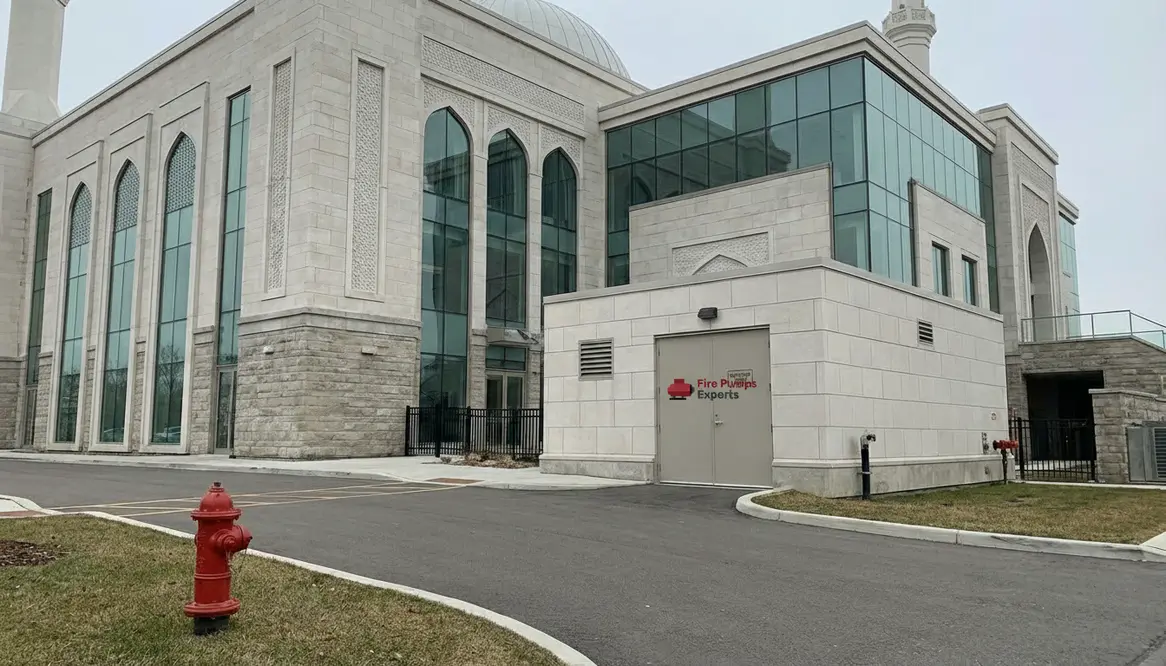
Fire Pump Requirements for Mosques Large Properties Guide
I have spent years walking through large properties where silence holds meaning and every structure carries purpose. Religious facilities are no exception. In fact, they demand even more thoughtful planning. When I talk about Fire Pump Requirements for Mosques, I am not just discussing equipment. I am talking about protecting gathering spaces where hundreds, sometimes thousands, come together. Within the first stages of planning, these requirements shape how safety systems perform under pressure. And yes, pressure is exactly what we want a fire pump to handle calmly, unlike most of us during a surprise inspection.
How I Approach Fire Pump Planning for Religious Facilities
First, I look at the scale. Large mosques, temples, and churches often resemble commercial complexes more than traditional small buildings. Therefore, I treat them with the same rigor as high occupancy commercial sites. I assess water supply reliability, building height, and sprinkler demand. Then, I align everything with local fire codes and standards.
However, what makes religious facilities unique is their usage pattern. Attendance spikes during specific times. Because of this, systems must handle peak demand without hesitation. I always remind clients that a fire pump should perform like a seasoned actor. Always ready. No warm up needed.
Additionally, layout matters. Prayer halls, ablution areas, and community spaces each introduce different fire risks. So, I design pump capacity to support all zones simultaneously. That way, no section is left under protected.
Fire Pump Requirements for Mosques in Large Scale Properties
When I focus specifically on Fire Pump Requirements for Mosques, I pay attention to both compliance and practicality. These facilities often include expansive open areas, which can demand high water flow rates. Therefore, I ensure the pump system supports wide coverage without pressure loss.
Moreover, redundancy is essential. I usually recommend backup pumps or dual power sources. After all, faith may move mountains, but it should not be responsible for maintaining water pressure during a fire event.
Another key factor involves placement. I position pump rooms in accessible yet protected areas. This ensures maintenance teams can reach them easily while shielding them from environmental risks. Consequently, reliability improves over time.
Across large campuses, the Fire Pump Requirements for Mosques must also coordinate with surrounding structures such as schools, community halls, and parking facilities. Treating the site as one interconnected fire protection ecosystem keeps performance consistent even as crowds move from one space to another.
What Factors Actually Influence Fire Pump Sizing?
I get this question often, and the answer is never one size fits all. Several elements come into play, and each one shapes the final system design.
Building Characteristics
- Height and number of floors
- Total floor area
- Type of occupancy
System Demands
- Sprinkler density requirements
- Hydrant system needs
- Available water supply pressure
Because of these variables, I never rely on assumptions. Instead, I run hydraulic calculations to determine exact requirements. This approach ensures the pump performs efficiently without overspending on unnecessary capacity.
In large religious complexes, Fire Pump Requirements for Mosques often sit at the high end of design curves because of tall minarets, multi-level parking, and extensive prayer halls. Right sizing the pump avoids sluggish sprinklers on upper floors and prevents unnecessary strain on the power infrastructure.
Designing for Reliability and Long Term Use
Now, let us talk about longevity. A fire pump system is not something you install and forget. It requires ongoing testing and maintenance. Therefore, I design systems with accessibility in mind. Control panels should be easy to read. Valves should be reachable. And test headers should allow smooth inspection processes.
Furthermore, I consider environmental conditions. In hotter regions, cooling and ventilation become critical. In colder climates, freeze protection takes priority. Each detail plays a role in ensuring the system remains dependable year after year.
Interestingly, I have seen facilities invest heavily in aesthetics while overlooking mechanical rooms. It is a bit like buying a luxury car and ignoring the engine. It looks great until it does not move.
Well planned Fire Pump Requirements for Mosques also extend to documentation and training. Staff should know how to interpret alarms, who to call when something looks off, and how routine testing should sound and feel. The more familiar the team is with normal operation, the quicker they catch problems before they grow.
Integration with Broader Fire Protection Systems
A fire pump does not operate alone. Instead, it works as part of a larger network. I make sure it integrates seamlessly with alarm systems, sprinklers, and emergency power supplies. Consequently, response times improve and risks decrease.
In addition, I coordinate with architects and engineers early in the project. This collaboration prevents space conflicts and ensures proper routing of pipes and electrical connections. As a result, installation becomes smoother and more cost effective.
Also, I emphasize testing protocols. Regular flow tests and inspections verify that the system performs as expected. Because when an emergency happens, there is no time for surprises.
For anyone comparing guidelines, resources such as https://firepumps.org help frame discussions with local authorities, but the specific Fire Pump Requirements for Mosques must always be confirmed against regional codes and the unique layout of each site.
FAQ Quick Answers for Fire Pump Planning
Bringing It All Together with Purpose
When I plan fire pump systems for religious facilities, I see more than infrastructure. I see responsibility. Every calculation, every valve, and every decision contributes to protecting lives and preserving spaces that matter deeply to communities.
If you are managing or developing a large scale religious property, now is the time to get serious about your fire protection strategy. Work with experts who understand commercial grade systems and demand performance without compromise. Because when safety is done right, it stays quiet. And honestly, that is the best kind of success.