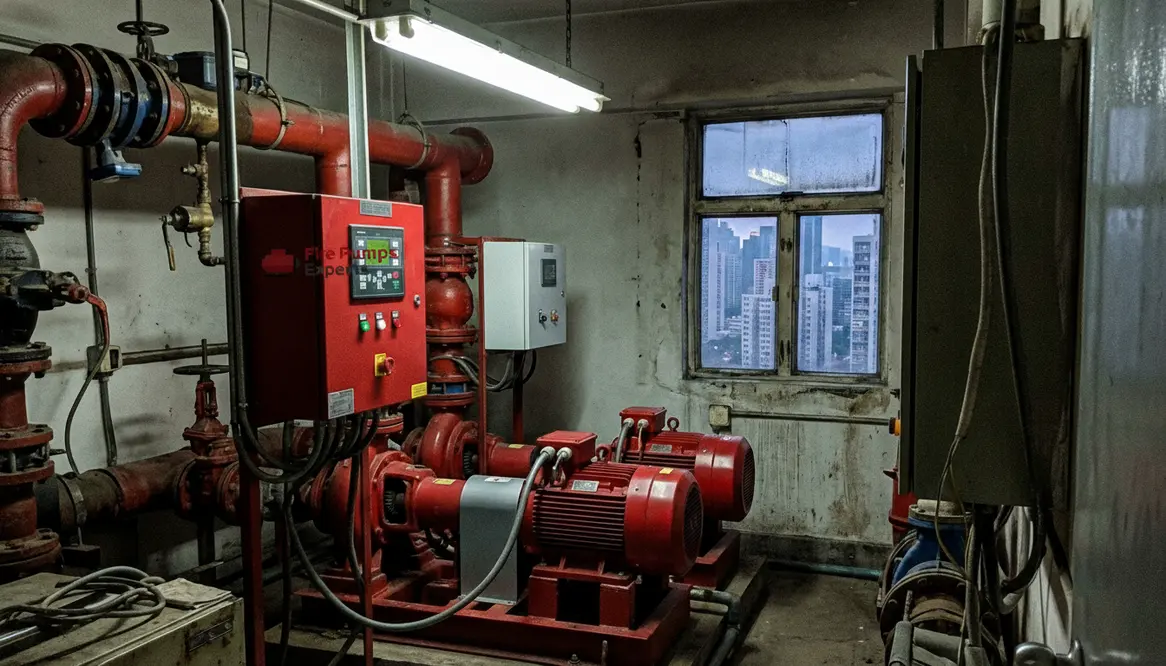
Fire Pump Retrofits for High Rise Buildings
I have spent years walking through the mechanical hearts of high rise buildings, and I can tell you this with calm certainty: when a fire starts 40 stories up, gravity is not your friend. That is where fire pump retrofits quietly step in, doing the heavy lifting long before anyone hears a siren. In major U.S. cities, where commercial towers stretch into the clouds like they are trying to outdo each other, upgrading these systems is not just smart. It is essential. And yes, while it may not sound thrilling, I promise there is more going on behind those pump room doors than most blockbuster plots.
At A Glance
- High rises depend on fire pumps to beat gravity.
- fire pump retrofits turn aging equipment into reliable protection.
- Codes, city infrastructure, and tenants all shape your strategy.
- Smart upgrades improve safety, efficiency, and compliance.
Why High Rise Buildings in Major Cities Depend on Fire Pumps
In cities like New York, Chicago, and Los Angeles, water does not naturally climb. So, we help it. Fire pump systems push water upward with enough pressure to meet fire protection demands at any level. Without them, sprinklers would behave more like polite suggestions than life saving systems.
Moreover, city infrastructure adds complexity. Older municipal water systems cannot always deliver consistent pressure, especially during peak demand. Therefore, building owners rely on internal fire pumps to maintain reliability. I often say, if Batman trusts his gadgets, your building should trust its pump system.
Additionally, codes in major metros evolve constantly. That means yesterday’s compliant system may quietly become today’s liability. Upgrading is not just about performance. It is about staying aligned with strict safety standards and modern expectations for how fire pump systems are regulated in real buildings.
How Do Fire Pump Systems Actually Work in Tall Commercial Buildings?
At their core, fire pump systems are straightforward. However, the execution is anything but simple. Water enters from a reliable source, then the pump increases pressure and sends it through standpipes and sprinklers across the building.
Yet, in high rise environments, coordination matters. Controllers, backup power sources, and pressure maintenance systems all work together. If one piece hesitates, the entire system feels it. Think of it like an orchestra. If the drummer shows up late, the whole performance loses rhythm.
Because of this, I always emphasize integration. A properly designed system does not just meet demand. It anticipates it.
Key Components In A High-Rise Fire Pump System
- Primary fire pump and driver
- Jockey pump for maintaining pressure
- Controller and automatic start logic
- Backup power (generator or alternate source)
- Standpipes and sprinkler piping network
Fire Pump Retrofits for Aging Urban Infrastructure
Now here is where things get interesting. Many commercial buildings in major cities were built decades ago. While the architecture may age gracefully, mechanical systems do not share that same charm.
That is where fire pump retrofits come into play. These upgrades replace outdated components, improve efficiency, and bring systems up to current codes. More importantly, they reduce risk without requiring a full system overhaul.
For example, modern controllers offer smarter monitoring. They detect pressure drops instantly and respond faster than older models ever could. Additionally, energy efficient motors reduce operational costs. So yes, safety improves while your utility bills take a polite step back.
And let us be honest. If your building still relies on equipment installed when flip phones were cutting edge, it might be time for a refresh. Strategic fire pump retrofits let you upgrade the heart of the system without tearing out everything that already works.
Common Retrofit Upgrades
- Controller modernization for faster response
- High efficiency pump replacements
- Seismic bracing improvements
- Smart monitoring integration
Benefits for Commercial Properties
- Stronger compliance with city codes
- Reduced downtime risks
- Lower long term maintenance costs
- Improved insurance positioning
Design Challenges Unique to Major U.S. Cities
Every city has its quirks. New York deals with density. Los Angeles worries about seismic activity. Chicago battles extreme seasonal shifts. Therefore, fire pump systems must adapt accordingly.
For instance, space constraints often limit equipment layouts. Mechanical rooms in urban towers are not exactly spacious penthouses. As a result, engineers must design compact yet powerful systems.
Meanwhile, redundancy plays a major role. In large commercial properties, downtime is not an option. Backup pumps and alternate power sources ensure that protection continues, even when something fails.
And then there is the human factor. Buildings operate 24 7, so installations and upgrades must avoid disrupting tenants. It is a delicate dance, and no one wants to explain to a law firm why their water shut off mid meeting.
Where fire pump retrofits Fit In
Thoughtful fire pump retrofits solve for these constraints. They let you add redundancy, improve seismic protection, and tighten layouts while keeping your building open, your tenants calm, and your AHJ happy.
Maintaining Peak Performance Without Disruption
Once a system is installed or upgraded, the work does not stop. In fact, maintenance becomes the quiet hero of the story. Regular testing ensures pumps start instantly and deliver expected pressure.
Additionally, predictive maintenance tools now allow teams to catch issues early. Sensors track vibration, temperature, and pressure trends. So instead of reacting to failure, building managers stay ahead of it.
I like to think of it this way. You would not wait for your car engine to fail before changing the oil. The same logic applies here, just on a much larger scale and with far greater stakes. Especially after major fire pump retrofits, a disciplined testing and inspection plan keeps all that new investment performing the way it should.
Choosing the Right Partner for Large Scale Fire Protection
Not all service providers understand the complexity of high rise commercial systems. Therefore, selecting the right partner matters. Experience in major metropolitan environments is key.
Look for teams that specialize in large commercial and industrial properties. They should understand local codes, infrastructure limitations, and system integration challenges. More importantly, they should approach each building as a unique ecosystem rather than a one size fits all project.
Because at the end of the day, this is not just about equipment. It is about protecting people, assets, and the reputation of the property itself.
FAQ
Keep Your Building Ready When It Matters Most
If you manage or own a high rise commercial property, now is the time to take a closer look at your fire protection systems. Upgrading through strategic improvements ensures reliability, compliance, and peace of mind. Partner with experts who understand large scale systems and urban challenges. Because when the unexpected happens, your building should not hesitate. It should respond with confidence, strength, and precision exactly when it matters most.