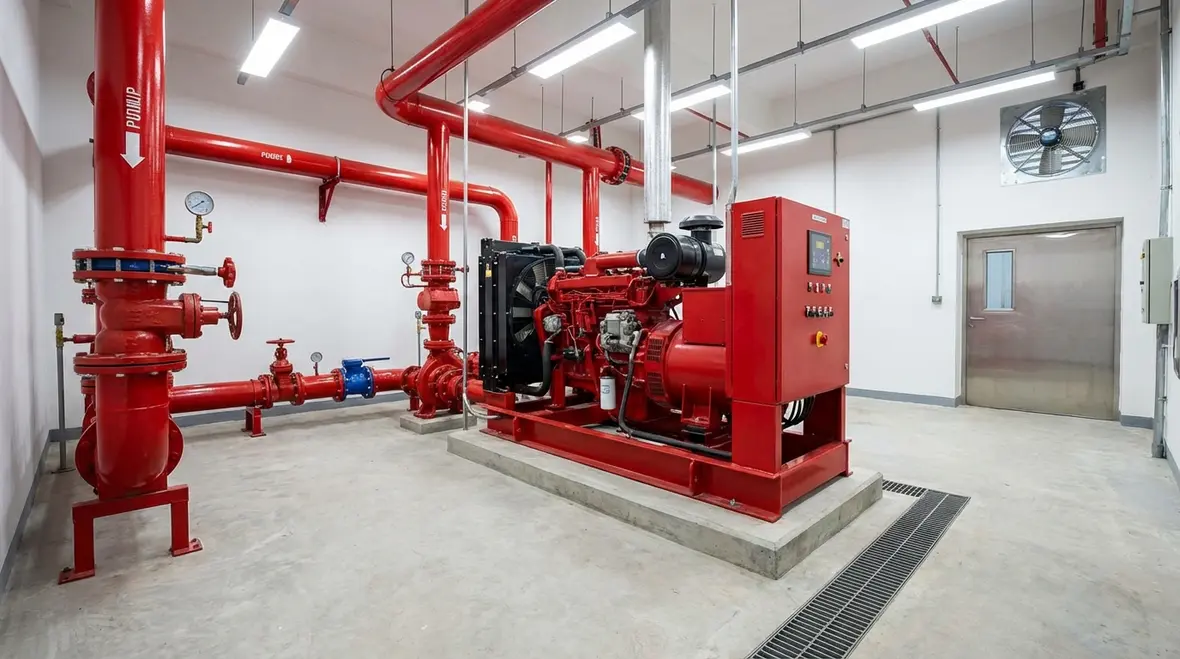
Fire Pump Room Design Best Practices for Safety and Code
Unlocking the Secrets of Fire Pump Room Design Best Practices
Let’s take a moment to appreciate fire pumps. The unsung heroes of fire safety. You rarely think about them… until you’re standing in smoke, waving goodbye to your inventory. That’s why commercial and industrial buildings can’t afford to half-step when it comes to these bad boys.
Now, I’ve walked through enough fire pump rooms to know that while sprinklers steal the spotlight, it’s the room they’re fed from that determines how well they dance in the flames. And getting that room right isn’t guesswork — it follows fire pump room design standards set forth by NFPA 20, local bylaws, and real-world battle scars from veteran engineers who’ve “seen some things.”
In this rich tour through walls, valves, and clearance zones, I’ll pull back the curtain. We’ll not only talk about what makes a top-tier fire pump room, but how to keep your property code-compliant, eco-smart, and, let’s be honest, a bit more impressive than your competitor’s glorified janitor’s closet. Stick with me.
If I Were Building a Fire Pump Room from Scratch…
Let’s start with the real stuff — what should you actually consider during the design phase? Because here’s the thing: your fire pump room isn’t just an afterthought to squeeze in next to the loading dock. It’s a mission-critical stronghold.
Here’s what goes into top-tier fire pump room design:
- Space, Baby, Space: Always allow for clearances and access per NFPA 20. You’re not building Tetris; maintenance crews need room to move.
- Dedicated Room? Yes. Dual-purpose rooms are where good design goes to die. Label everything clearly and keep it exclusive.
- Ventilation: Heat will happen. Whether diesel fuel, electric motors, or even unicorn-powered pumps (one can dream), proper airflow matters.
- Drainage: Pumps leak. Pipes burst. So yes, a floor drain is not just “smart” — it’s legally smart.
- Lighting: Dark, moody vibes are cool… until someone has to troubleshoot in the shadows. Go LED and ensure emergency backup power is on deck.
That’s your launchpad. Remember, fire pump rooms aren’t just mechanical spaces. They’re the Iron Man suit of your building. Treat ‘em like it.
How to Get Serious About Fire Pump Room Safety
Let’s talk safety. Not the insurance-commercial kind — real boots-on-the-ground fire safety. Designing your fire pump room for reliability means thinking like a firefighter and an inspector… with a touch of Sherlock Holmes on a caffeine high.
These safety features should be locked into your design DNA:
- Automatic Transfer Switches (ATSes): Power can dip faster than investor confidence during a Twitter scandal. ATSes ensure your pumps don’t blink in emergencies.
- Redundancy: If one pump fails, another kicks in. It’s not paranoia; it’s smart business. Design for the unexpected — because fire waits for no one.
- Explosion-Proof Fixtures: Rooms that house diesel engines or are in hazardous environments require these. One spark in the wrong spot could give new meaning to “burn rate.”
- Secure Access: Bad things happen when you let untrained folks near high-pressure pumps. Think locked doors, access control, and zero tolerance for “Tom from electrical” playing amateur firefighter.
Codes like NFPA 20 and local fire marshal fire pump room design standards won’t just suggest these — they’ll expect them. Don’t be that building that gets cited during the annual fire inspection. Nobody likes the walk of shame.
Designing for Flow Efficiency: It’s Not Just About the Pump
You ever watch a Marvel movie and wonder why their tech runs so smoothly? Yeah, they don’t run a 4-inch suction pipe into the side of a building like it’s a garden hose.
Flow efficiency means designing pipe routes and valves that won’t choke under pressure. Literally. Here’s how to make sure water moves like it’s in a Fast & Furious reboot:
- Use Smooth Joints and Large Radius Elbows: Sharp turns slow water. Don’t sabotage your own fire suppression system.
- Isolation Valves Where It Matters: Strategic placement means you can service parts of the system without shutting down the whole operation.
- Proper Suction Sizing: NFPA says the suction side pipe should be at least as large as the pump flange. No cheating here.
- No Air Pockets or Dead Legs: Those are great in yoga. In pump systems? A lawsuit waiting to happen.
Design your piping like you’d plan a good road trip. Smooth roads, no dead ends, and enough gas stations (valves) to make the ride easy.
What Should Go Inside a Fire Pump Room?
This one shows up a lot in search bars: “What needs to be in a fire pump room?” Great question. Here’s what every commercial or industrial setup should expect behind those doors:
Essential Fire Pump Components
- Fire pump (obviously)
- Driver (electric motor or diesel engine)
- Controller (the brain behind the brawn)
- Jockey pump (to maintain pressure)
- Pressure relief valves
Support Systems
- Fuel storage (for diesel pumps)
- Ventilation fans
- Heating system (to prevent freezing)
- Lighting and emergency lighting
- Drainage systems
All of this should be clearly labeled, easily accessible, and sitting in a room big enough that an adult human could crouch without becoming an origami version of themselves. Even the most skilled technician couldn’t “use a very particular set of skills” in a 3×3 mechanical closet.
Integrating Fire Pump Rooms with Your Building’s Layout
Here’s the design crime we see too often: planners tuck the fire pump room deep inside the building like it’s a witness protection placement. That’s not going to age well during a fire emergency.
Instead, follow these site integration guidelines from someone who’s seen great designs… and truly impressive failures:
- Keep It Accessible: From fire department connections to access doors, space should allow emergency personnel to reach the pumps swiftly.
- Locate Near Water Source: The shorter the pipe run from the main water supply, the better. Every extra foot adds friction loss. Nobody likes unnecessary resistance.
- Separate from Flood-Prone Zones: Because when your safeguard against water damage is underwater… that’s just irony choking on itself.
If you’re working with architects or contractors, include fire protection early in the planning. Don’t be the guy retrofitting a pump room in a janitor closet two weeks before occupancy.
Fire Pump Room Design for Long-Term Maintenance
Here’s a hard truth. Some folks design for install day, not for the next 20 years. Don’t be that short-sighted. You want maintenance techs to walk in, replace parts, test systems, and get home without hitting their head on a valve.
Design with these practices for a low-drama relationship with your fire protection system:
- Leave Minimum 36-Inch Clearance Around Units: That’s not extra — it’s code.
- Mount Electrical Panels Away from Water Sources: This isn’t a waterpark. Respect physics.
- Use Non-Corrosive Materials: Especially in coastal or humid environments. Stainless steel survives where others rust and weep.
- Provide Testing Headers: Because skipping weekly and annual tests = skipping liability coverage in a courtroom.
Design smart now, and you’ll thank yourself every time the maintenance tech doesn’t have to exorcise the HVAC demons just to check a pressure gauge.
Frequently Asked Questions about Fire Pump Room Design
What is required inside a fire pump room?
A fire pump room must contain the fire pump, driver, controller, jockey pump, valves, necessary lighting, heating systems (if in cold climates), and proper drainage.
Can a fire pump room be shared with other equipment?
No. According to fire pump room design standards, rooms should be dedicated to fire protection only for safety and code compliance.
What is the ideal location for a fire pump room?
Near the water supply and with direct access for emergency crews. Avoid flood zones or hidden corners of the building.
How big should a fire pump room be?
Large enough to provide clear access (typically 36 inches or more) around all components, per NFPA 20 requirements.
Do I need ventilation for a fire pump room?
Yes, especially for diesel-driven pumps. Adequate airflow prevents overheating and supports combustion.
Build Like Your Building Depends on It — Because It Does
If you want your commercial or industrial property to be safe, code-compliant, and stand tall under scrutiny, take your fire pump room seriously. Don’t settle for a retrofit afterthought or duct-taped wiring. Build boldly, maintain steadily, and sleep easier knowing your system won’t fail when the heat’s on — literally.
Ready to upgrade or design a fire pump room you can brag about to your insurance agent? Let’s make it happen. Visit https://kordfire.com/fire-pump/ to connect with specialists who live and breathe fire pump systems, from design and installation to testing and long-term maintenance.