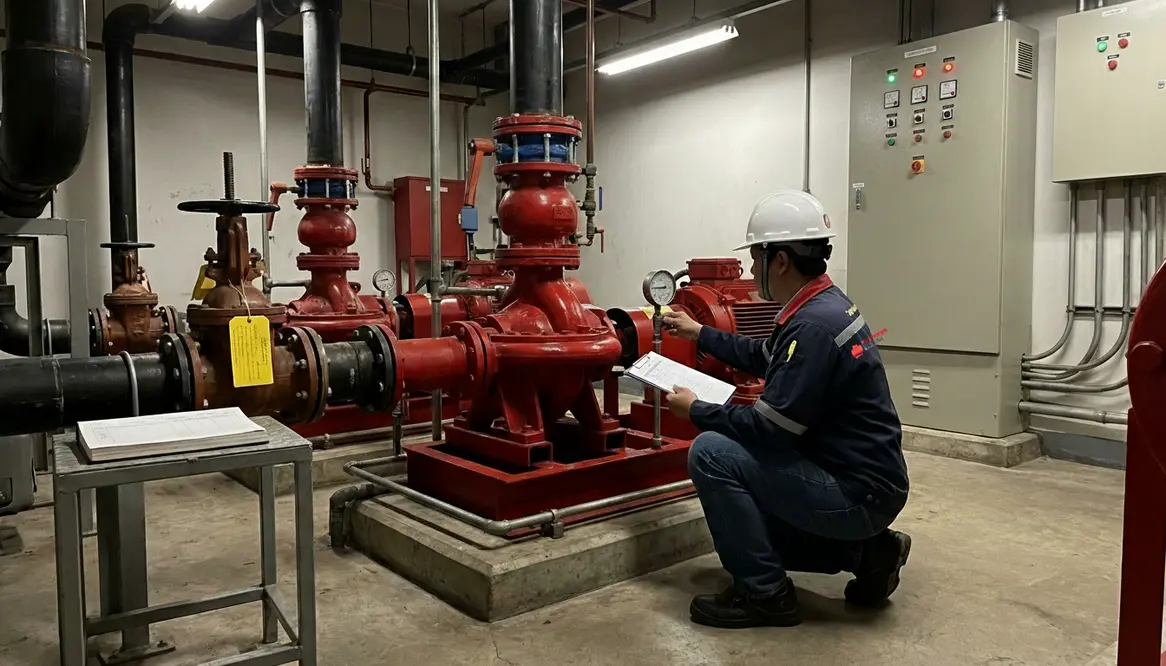
Fire Pump Safety Tips for Reliable System Performance
I have spent enough time around mechanical rooms to know this truth: when a fire pump fails, it does not send a polite warning. It simply does not show up when called. That is why I take fire pump safety tips seriously. In the first moments of an emergency, these systems carry the weight of lives, assets, and reputations. So today, I will walk you through practical, field tested guidance that keeps your system ready, reliable, and quietly heroic in the background.
What are the most important fire pump safety tips for large facilities?
Let me answer this plainly. Consistency beats complexity every single time. First, I make sure inspections are scheduled and never skipped. Then, I verify that controllers, valves, and power supplies remain accessible and clearly labeled. In addition, I ensure staff know exactly where the system lives and how to respond when alarms trigger.
Also, documentation matters more than most people expect. Logs tell a story, and when something drifts out of spec, that story becomes your early warning system. Think of it like a detective novel, except the villain is pressure loss and the hero is a well maintained pump.
Turning routine checks into real protection
In large facilities, the most effective fire pump safety tips sound almost boring on paper: keep a strict inspection calendar, protect clear access to equipment, and never treat alarms as background noise. Yet these basics separate systems that merely exist from systems that perform under pressure.
Routine Testing That Actually Prevents Failure
I have seen facilities treat testing like a box to check. That mindset invites trouble. Instead, I approach testing as a live rehearsal. Weekly churn tests verify operation, while annual flow tests confirm performance under real demand.
However, it is not just about turning the pump on. I watch for vibration, listen for odd sounds, and check pressure stability. If something hums like it is auditioning for a sci fi movie, I investigate. Small changes often signal larger issues waiting to grow teeth.
Moreover, I make sure test results are compared over time. Trends reveal wear long before failure appears. This is where strong fire pump maintenance practices quietly save the day.
Making test data work for you
The best fire pump safety tips always come back to data. When you track pressures, start times, and flow results, you are building a performance history. That history lets you spot the moment “normal” starts to drift, long before you are staring at a silent pump and an active fire alarm.
Power Supply Reliability and Control Systems
Here is a truth that deserves a slow nod. A fire pump without reliable power is just a very expensive paperweight. Therefore, I verify primary and backup power sources regularly. Transfer switches must operate smoothly, and fuel levels for generators should never be left to chance.
At the same time, controllers deserve attention. I check for fault indicators, confirm settings match system requirements, and ensure enclosures remain clean and dry. Electronics and moisture do not get along. It is a worse pairing than pineapple on pizza, and yes, I am willing to stand by that.
Power-focused fire pump safety tips
Test automatic transfer switches under load, not just in theory. A switch that sticks once will absolutely pick the worst possible moment to stick again.
Keep generator fuel, batteries, and charging systems on a schedule, not on hope. Power reliability is not a place for optimism; it is a place for checklists.
Keeping Components Clear, Accessible, and Ready
I walk into many pump rooms where storage slowly creeps in. A box here, a ladder there, and suddenly access becomes a game of obstacle course. That is a risk I do not tolerate. Clear space around pumps, valves, and controllers is not optional.
In addition, I confirm that suction and discharge valves remain in the correct position. A closed valve can quietly sabotage the entire system. Labels should be visible, and staff should understand them without needing a decoder ring.
What I Always Check
- Valve positions and signage clarity
- Room temperature and ventilation
- Leaks or corrosion on fittings
- Controller status lights and alarms
What I Never Ignore
- Unusual vibration or noise
- Delayed pump start
- Pressure drops during testing
- Blocked access paths
Accessibility as a non-negotiable safety rule
Of all the fire pump safety tips, keeping the room clear is the least technical and the most violated. If you cannot reach a valve quickly on a calm Tuesday, you will not magically reach it faster at 3 a.m. with alarms blaring.
Training Teams Without Overwhelming Them
Even the best equipment needs informed people. So I keep training simple, direct, and repeatable. Staff should know what normal looks like, what alarms mean, and who to call when something changes.
Furthermore, I avoid turning training into a lecture marathon. Short, focused sessions work better. Think less textbook, more practical walkthrough. If someone can explain the system back to me in plain language, I know the lesson stuck.
And yes, I remind them that in an emergency, speed matters but panic does not help. Calm action wins every time.
Human-centered fire pump safety tips
- Walk teams through the pump room on a regular basis, not just during orientation.
- Use real test data and alarms as training moments instead of abstract examples.
- Document who has been trained and when, so you are not guessing during audits or incidents.
Fire Pump Safety Tips That Strengthen Long Term Performance
Over time, systems age. Seals wear, bearings loosen, and alignment drifts. That is why I prioritize preventive maintenance alongside inspections. Lubrication schedules, alignment checks, and component replacements all extend system life.
In addition, I partner with qualified service providers who understand large commercial and industrial systems. This is not the place for guesswork. Precision matters.
Finally, I treat every inspection as an opportunity to improve. Small adjustments today prevent large disruptions tomorrow. It is a quiet discipline, but it pays off when it matters most.
Linking daily habits to long term reliability
The most powerful fire pump safety tips are incredibly repetitive: inspect, test, document, repair, repeat. Over months and years, that rhythm builds a system that responds on command instead of surprising you with failures when the stakes are highest.
When you are ready to bring in specialists who live and breathe this work, partnering with a team like Kord Fire’s fire pump service experts ensures your inspections, testing, and documentation stay aligned with code and best practices, not just good intentions.
FAQ
Below are straightforward answers to common questions that come up when people start applying consistent fire pump safety tips to their facilities.
Keep Your System Ready When It Matters Most
If there is one thing I have learned, it is this: preparation is quiet, but failure is loud. By applying these fire pump safety tips with discipline and consistency, you protect more than equipment. You protect people and operations. Take the next step and ensure your system receives expert attention, thorough testing, and proactive care. Because when the moment comes, your fire pump should not hesitate. And neither should you.