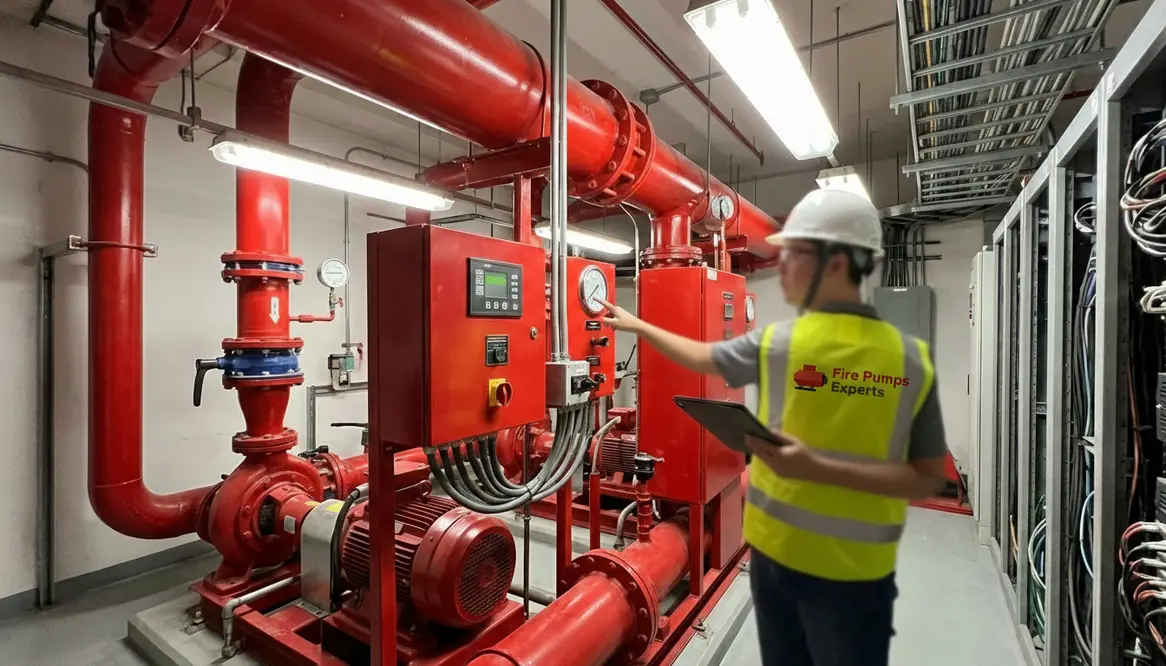
Fire Pump Solutions for Code Strict City Projects
Designing fire pump systems that survive ruthless codes, busy inspectors, and real-world chaos in major city fire pump projects.
I have spent years walking through mechanical rooms in towering office complexes and sprawling industrial campuses, where the hum of machinery feels like a city’s heartbeat. And in those moments, especially on major city fire pump projects, one truth becomes clear. Fire protection is not just a code requirement. It is a promise. In code strict cities where regulations read like a legal thriller, fire pump solutions for commercial development demand precision, foresight, and a touch of stubborn determination.
So let’s talk about what really goes into designing systems that pass inspection the first time. Because no one wants a red tag from the fire marshal. That is the closest thing our industry has to a surprise pop quiz, and trust me, nobody crams well for it.
Why Code Strict Cities Change the Game
In cities where codes evolve faster than smartphone updates, I approach fire pump design with a sharper lens. Local amendments often stack on top of national standards, which means I cannot rely on a one size fits all approach. Instead, I evaluate flow demands, pressure requirements, and redundancy expectations as if each building were its own ecosystem.
Documentation That Tells a Story
Moreover, inspectors in these regions expect documentation that tells a clear story. Therefore, I ensure that every calculation, every layout, and every equipment selection aligns perfectly. It is less guesswork and more chess game. And yes, the building department always plays white.
Consequently, fire pump systems in these environments tend to include higher safety margins, more robust controllers, and advanced monitoring. It is not overkill. It is survival.
Designing for Commercial Scale Without Cutting Corners
When I work on large commercial or industrial facilities, I think beyond minimum compliance. I design for durability, accessibility, and long term performance. After all, a fire pump is not something you want to think about often. It should just work, quietly and reliably, like a good stage crew.
Additionally, I consider how the system integrates with the building’s infrastructure. Electrical supply, water storage, and space constraints all influence the final setup. In dense urban environments, space is a luxury. So I often get creative with vertical configurations or split system layouts.
And yet, I never compromise on testing access. Because if you cannot test it, you cannot trust it. That is not philosophy. That is experience talking.
Major City Fire Pump Projects and Real World Constraints
On major city fire pump projects, I frequently encounter logistical puzzles that would make a Tetris champion sweat. Limited staging areas, tight delivery windows, and noise restrictions all shape how systems are installed.
However, these constraints push innovation. I have seen prefabricated pump rooms assembled offsite and delivered like giant Lego pieces. I have coordinated installations during overnight hours just to meet city ordinances. It is part engineering, part choreography.
Meanwhile, coordination with other trades becomes critical. If the electrical team runs late or the plumbing layout shifts, the entire schedule can ripple. So I stay proactive, communicating constantly and adjusting plans before small issues become big headlines.
Key Considerations I Always Prioritize
- Accurate hydraulic calculations based on real demand
- Reliable power sources with backup options
- Clear access for maintenance and inspections
- Compliance with both national and local codes
Common Pitfalls I Avoid
- Undersized pumps that fail under peak load
- Poor coordination with structural layouts
- Ignoring local code amendments
- Inadequate testing provisions
How I Future Proof Fire Pump Installations
Codes change. Buildings evolve. And tenants always find new ways to use space. So I design systems that can adapt. That might mean allowing extra capacity in the pump curve or planning for future connections.
Furthermore, I integrate smart monitoring where possible. Real time data helps facility managers spot issues before they escalate. It is like having a check engine light, except this one actually matters.
At the same time, I keep things practical. Technology should support reliability, not complicate it. Because when alarms sound, simplicity wins every time.
Balancing Cost, Compliance, and Common Sense
Let’s be honest. Budgets exist. And while I advocate for robust systems, I also understand financial realities. The goal is not to overspend. It is to spend wisely.
Therefore, I guide stakeholders through tradeoffs. For example, investing in a higher quality pump upfront often reduces maintenance costs later. Similarly, thoughtful design can minimize installation challenges, saving both time and money.
And occasionally, I remind clients that cutting corners on fire protection is like skipping leg day. It might seem fine at first, but eventually, it shows.
Connecting Design to Real-World Fire Pump Service
Design is only half the story on major city fire pump projects. The other half is ongoing inspection, testing, and maintenance that keeps those carefully selected pumps ready for real emergencies. That is where a specialized fire pump partner becomes part of the strategy, not just an afterthought in the spec sheet.
If you are working on dense commercial cores or complex industrial campuses, aligning your design approach with a service-focused company like Kord Fire’s fire pump systems and inspection team can tighten the feedback loop between engineering intent, code requirements, and day-to-day operation.
I have seen this collaboration pay off especially on major city fire pump projects where documentation, NFPA-driven testing, and detailed reporting make the difference between a smooth approval and a painful rework cycle.
FAQ About Fire Pump Solutions in Commercial Developments
Over time, the same questions surface on commercial jobs, especially in code strict cities that scrutinize every valve, sensor, and pump curve.
Building Systems That Stand the Test of Time
At the end of the day, my work on major city fire pump projects comes down to trust. Trust that the system will perform under pressure. Trust that it will meet every requirement without hesitation. And trust that the people inside those buildings are protected.
If you are planning a commercial or industrial development and need a fire pump solution that actually holds up in a code strict environment, I am ready to help you get it right the first time. Reach out today, and let’s build something that works when it matters most.