Fire Pump Suction Pressure Issues Fresno Guide
I have spent enough time around pump rooms to know one thing for certain. When something goes wrong, it rarely announces itself with a drumroll. It whispers. And in Fresno, those whispers often trace back to fire pump suction pressure issues Fresno facility managers thought were under control. I have seen pristine systems fail quietly because of overlooked suction conditions. So today, I am going to walk you through what truly affects performance, why it matters, and how to stay ahead of it without losing sleep or your sense of humor.
What Are the Most Common Fire Pump Suction Problems in Fresno Industrial Systems?
Let me answer this the way I would explain it standing in a mechanical room, coffee in hand. Most problems begin before the pump even starts. Suction is the foundation. If it is weak, everything downstream struggles.
First, undersized piping quietly strangles flow. It is like trying to drink a milkshake through a coffee stirrer. Technically possible. Practically useless. Next, air intrusion creeps in through small leaks or poor fittings. Even a tiny air pocket can disrupt pressure stability.
Then there is poor water supply reliability. Fresno facilities often rely on municipal feeds that fluctuate during peak demand. As a result, the pump works harder than it should. Over time, that stress builds.
Finally, improper suction layout causes turbulence. Sharp bends, long horizontal runs, or poor pipe alignment create friction loss. And yes, friction loss is exactly as annoying as it sounds.
Understanding Fire Pump Suction Pressure Issues Fresno Facilities Face
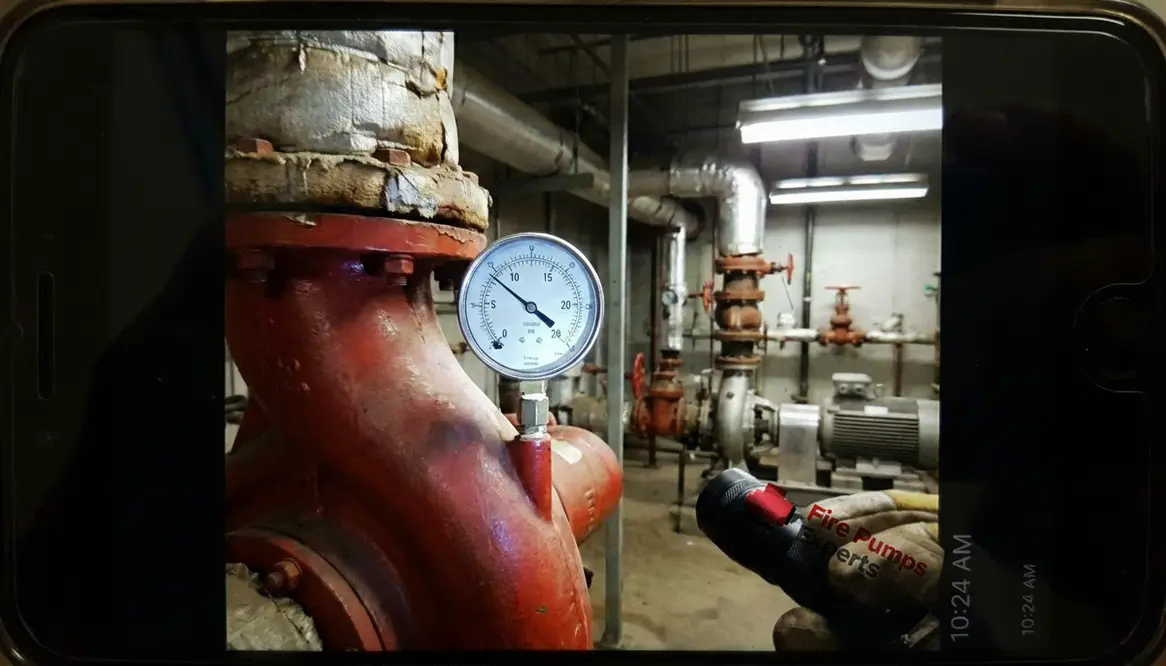
Now let us slow things down and really look at pressure. Because pressure is not just a number on a gauge. It is the story of how well your system breathes.
In Fresno industrial sites, I often see pressure drops tied to inconsistent water sources. When multiple systems draw from the same supply, pressure dips without warning. Consequently, the fire pump compensates, sometimes beyond its design limits.
Another key factor is elevation. Even slight elevation changes across large properties can affect suction pressure. It is subtle, but over distance, it adds up.
Additionally, clogged strainers play the villain more often than anyone admits. Debris builds slowly. Then one day, performance drops, and everyone acts surprised. I have seen cleaner filters in a 90s desktop computer.
When these factors combine, they create the perfect storm of fire pump suction pressure issues Fresno operators must address quickly or risk system failure during critical moments.
How I Evaluate Suction Conditions Step by Step
When I assess a system, I follow a deliberate rhythm. No guesswork. No shortcuts.
Hydraulic Review
I start by checking flow demand versus supply capacity. If those numbers do not align, nothing else matters.
Visual Inspection
Next, I look for leaks, corrosion, or poor pipe routing. Small flaws often signal bigger issues.
Pressure Readings
I compare static and residual pressure. This reveals how the system behaves under stress.
Component Check
I inspect valves, strainers, and fittings. Restrictions hide in plain sight.
Operational Testing
Finally, I run the pump and observe performance in real time. Numbers tell the truth.
Documentation
I record everything. Memory fades. Data does not.
By following this process, I can pinpoint where suction conditions fail and how to correct them without unnecessary upgrades.
Design Choices That Quietly Make or Break Performance
Here is something I always emphasize. Good design does not show off. It works quietly in the background.
For example, proper pipe sizing ensures steady flow. It also reduces energy strain on the pump. Meanwhile, gradual bends instead of sharp angles maintain smooth water movement.
Equally important, dedicated suction lines prevent competition between systems. When fire protection shares lines with other processes, pressure drops become inevitable.
And let us not forget about backflow preventers. While necessary, they introduce resistance. Therefore, selecting the right type and maintaining it properly is critical.
In many Fresno facilities, correcting design inefficiencies resolves recurring fire pump suction pressure issues Fresno teams have struggled with for years.
Maintenance Habits That Actually Prevent Trouble
I will say this plainly. Maintenance is not glamorous. But neither is explaining a system failure after the fact.
Routine inspection of strainers keeps debris from restricting flow. At the same time, regular pressure testing ensures early detection of inconsistencies.
Additionally, I always recommend verifying valve positions. You would be surprised how often a partially closed valve causes major headaches. It is the mechanical equivalent of leaving your phone on airplane mode and wondering why nothing works.
Scheduled flow testing also helps confirm real world performance. Because what looks good on paper does not always translate in practice.
With consistent upkeep, most suction related failures never get the chance to develop.
Why Fresno Industrial Sites Need a Proactive Approach
Fresno presents unique challenges. Heat, demand fluctuations, and large scale industrial layouts all influence system behavior. Therefore, a reactive mindset simply does not cut it.
I have seen facilities wait until alarms trigger or performance drops. By then, the problem has already grown. Instead, proactive monitoring and periodic system reviews keep everything running smoothly.
And yes, it may feel like overkill at times. But when a system performs flawlessly during an emergency, nobody complains about being too prepared.
That is why I always encourage Fresno teams to log trends, inspect suction hardware on a schedule, and bring in help early if readings start to drift. A subtle pattern in the data is often the first sign that fire pump suction pressure issues Fresno facilities face are just starting to surface.
FAQ
Keep Your System Ready Before It Is Needed
If there is one thing I have learned, it is this. Fire pumps do not get second chances. Addressing suction conditions today prevents failure tomorrow. If your facility shows signs of inconsistency, now is the time to act. Work with specialists who understand complex industrial systems and know how to resolve fire pump suction pressure issues Fresno properties face. Because when the moment comes, your system should perform without hesitation. No drama. Just results.