Fire Pump Systems for Dispatch Centers 24 7 Safety
I have spent enough time around critical infrastructure to know one truth: when seconds matter, systems either perform or they fail loudly. That is exactly why Fire Pump Systems for Dispatch Centers sit at the heart of 24 7 public safety operations. These facilities do not get to close early or take a rain check. They carry the weight of constant readiness, and their fire protection systems must match that level of commitment. In this piece, I will walk through what makes these systems essential, how they function under pressure, and why cutting corners here is about as wise as bringing a water pistol to a five alarm fire.
Why 24 7 Operations Demand Relentless Fire Protection
Dispatch centers operate around the clock, and therefore, risk never clocks out. Because of that, fire suppression must always be primed and ready. I have seen facilities assume that standard systems are enough, but that is a gamble. These environments house dense electronics, communication hubs, and backup power systems. All of which can turn a small ignition into a serious incident.
Moreover, continuous staffing means evacuation is more complex. There is always someone inside, often focused on critical communication. Therefore, fire pump reliability becomes less about compliance and more about preserving continuity. In other words, it is not just about putting out fires. It is about keeping operations alive while doing so.
How Fire Pump Systems for Dispatch Centers Support Mission Critical Continuity
I like to think of fire pump systems as the quiet bodyguards of a facility. You rarely notice them until things go sideways. At that point, they better perform like an action hero, not a background extra.
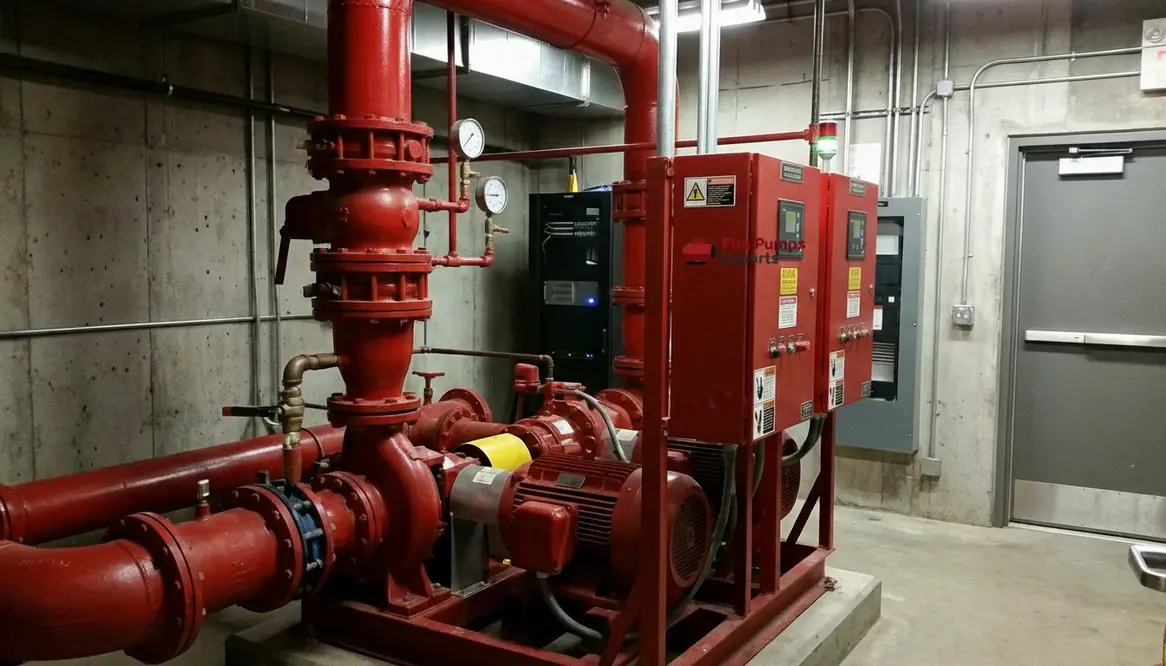
These systems maintain consistent water pressure for sprinkler networks, even when municipal supply drops or demand spikes. Additionally, they are engineered to activate instantly, ensuring there is no lag between detection and suppression. That speed matters more than most people realize.
Furthermore, redundancy plays a huge role. Many commercial and industrial dispatch facilities rely on multiple pump configurations, including electric and diesel backups. Because if one system fails, another must take over without hesitation. It is a bit like having both Batman and Superman on call. Overkill? Maybe. Effective? Absolutely.
Fire Pump Systems for Dispatch Centers: Quiet Infrastructure, Loud Impact
Behind every clean dispatch handoff and every coordinated response sits a network of systems that simply must work. Fire Pump Systems for Dispatch Centers rarely appear on glossy brochures, but they are the difference between a minor incident and catastrophic downtime when flames show up uninvited.
What Features Should I Prioritize in a Fire Pump Setup?
If I were advising a facility manager, I would say focus on performance under stress, not just baseline specs. Fire pump systems must handle peak demand without breaking a sweat.
Key elements to prioritize
- Reliable power sources that remain operational during outages
- Automatic activation controls for immediate response
- Durable construction built for long term industrial use
- Routine testing compatibility to ensure compliance and readiness
In addition, integration with monitoring systems is essential. Modern dispatch centers benefit from real time alerts and performance tracking. After all, guessing is great for trivia night, not for fire protection.
Design Considerations for Large Scale Facilities
Designing fire pump infrastructure for major properties is not a one size fits all exercise. Each building presents its own layout, risk profile, and operational demands. Therefore, system sizing and placement must align with actual usage patterns.
For example, high rise dispatch centers require pumps capable of maintaining pressure across multiple floors. Meanwhile, sprawling industrial campuses may need distributed systems to ensure full coverage. In both cases, hydraulic calculations are not optional. They are the backbone of system performance.
Matching operational needs to system solutions
Operational Needs
- Continuous uptime
- High water demand capacity
- Immediate response time
System Solutions
- Dual pump configurations
- Pressure sustaining controls
- Automated monitoring integration
At the same time, space planning matters. Pump rooms must allow for maintenance access and ventilation. It is not glamorous work, but neither is explaining why a system failed due to poor layout.
Maintenance and Testing Keep Systems Honest
I always say a fire pump system is only as good as its last test. Even the most advanced setup can degrade without proper upkeep. Therefore, regular inspection and testing are not just regulatory boxes to check. They are performance guarantees.
Weekly churn tests, annual flow tests, and system audits help confirm that everything operates as intended. Additionally, trained personnel should oversee these procedures. Because while YouTube can teach many things, it should not be your primary fire safety instructor.
Consistent maintenance also extends equipment life. That means fewer unexpected failures and more predictable performance. And in a dispatch environment, predictability is gold.
Fire Pump Systems for Dispatch Centers and Risk Mitigation Strategy
Every facility faces risk. The difference lies in how well that risk is managed. Fire pump systems act as a central pillar in a broader safety strategy, working alongside alarms, suppression networks, and emergency planning.
Because dispatch centers support emergency response teams, their own resilience must be beyond question. A failure here can ripple outward, affecting entire communities. That is not dramatic. That is reality.
Therefore, investing in robust fire pump infrastructure is less about cost and more about responsibility. It ensures that when emergencies happen, the people coordinating the response are not dealing with one of their own.
Why Fire Pump Systems for Dispatch Centers anchor true resilience
When Fire Pump Systems for Dispatch Centers are engineered, tested, and maintained correctly, they allow the rest of the emergency ecosystem to function without hesitation. That is the kind of quiet confidence every 24 7 facility should be built on.
FAQ
Conclusion
If you are responsible for a dispatch center or large scale facility, now is the time to take fire protection seriously. Invest in systems that perform under pressure, because that is exactly when they are needed most. At firepumps.org, we focus on solutions built for demanding environments where failure is not an option. Reach out today and make sure your operation stays protected, prepared, and always ready to respond.