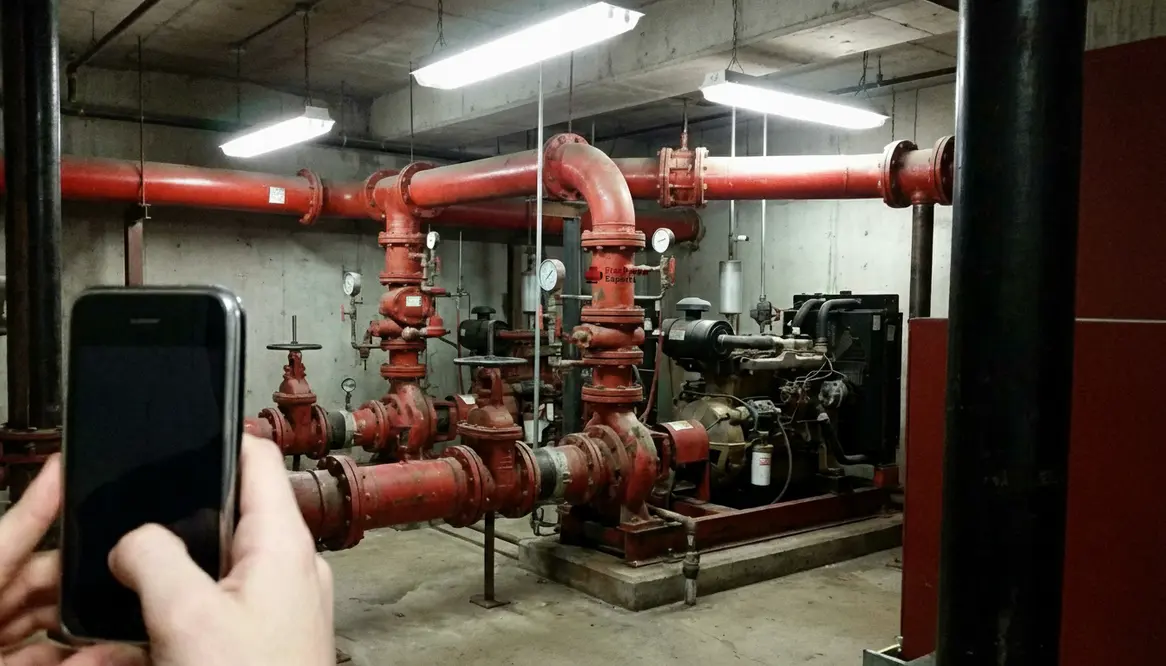
Fire Pump Systems for Government Buildings Safety
I have spent years walking through government buildings that look calm on the surface yet carry a quiet urgency beneath. Fire safety lives in that space. When I talk about large format retail fire protection, I am really talking about scale, pressure, and responsibility. Government office buildings share that same need for robust systems, where failure is not an option and downtime is more than an inconvenience. It is public trust on the line. And yes, while fire pumps are not exactly blockbuster material, they are the unseen heroes that keep those buildings standing long after the credits should have rolled.
What makes fire pump systems critical in government office buildings?
I will answer this plainly. Government buildings are not small, and they are not simple. They often stretch across multiple floors, house sensitive records, and serve thousands of people daily. Because of that, standard water pressure rarely cuts it. Fire pump systems step in and boost that pressure so sprinklers and standpipes perform exactly when needed.
Moreover, these systems must meet strict codes and operate under extreme reliability standards. Unlike a coffee machine, you do not get a second chance if it fails. Therefore, I always emphasize redundancy, backup power, and regular testing. It is a bit like having both Batman and Superman on call. You hope you never need either, but you sleep better knowing they are there.
Designing systems that match building scale and demand
When I approach a government project, I do not start with equipment. I start with demand. Every building has a unique fire load, layout, and occupancy pattern. Consequently, the fire pump system must align with those factors, not fight against them.
In many cases, I specify:
- Electric or diesel driven pumps based on power reliability
- Jockey pumps to maintain system pressure without overworking the main pump
- Split case or vertical turbine pumps depending on water source and space constraints
Additionally, I pay close attention to water supply. Municipal systems are not always consistent, especially during peak demand or emergencies. So, I often integrate storage tanks or secondary feeds. It is not glamorous work, but it is the difference between control and chaos.
Large format retail fire protection principles applied to civic spaces
Now here is where things get interesting. The same thinking behind large format retail fire protection translates surprisingly well to government buildings. Both environments demand wide coverage, high occupant loads, and reliable suppression across large footprints.
However, government facilities add layers of complexity. There are secure zones, data centers, and sometimes even detention areas. Because of this, zoning the fire protection system becomes essential. I design systems that isolate risk without compromising overall performance.
Think of it like directing traffic in a busy city. You do not want every lane moving at once. You want control, flow, and precision. And yes, occasionally a bit of patience.
Key components I prioritize for long term reliability
Reliability is not a feature. It is the whole point. So, I focus on components that can handle years of service with minimal surprises.
Left Column
- Fire pump controllers with clear diagnostics
- Corrosion resistant piping systems
- Pressure relief valves for system stability
Right Column
- Backup generators with automatic transfer
- Remote monitoring capabilities
- Accessible test headers for routine checks
Furthermore, I ensure that maintenance teams can access everything بسهولة. If a system is difficult to inspect, it will eventually be ignored. And ignored systems tend to fail at the worst possible moment. Like a villain showing up right when the hero forgot their lines.
How do I ensure compliance and avoid costly failures?
I stay ahead of the curve. Codes evolve, and government projects often face stricter oversight than commercial builds. Therefore, I work closely with fire marshals, engineers, and facility managers from day one.
In addition, I schedule routine testing and documentation. Weekly churn tests, annual flow tests, and periodic system audits are not optional. They are essential. I treat them like a regular health checkup. Skip enough of those, and the diagnosis will not be pleasant.
Also, I invest in training. A well designed system still needs knowledgeable people behind it. When staff understand how the fire pump operates, response times improve and mistakes drop dramatically.
Integration with modern building systems
Today’s government buildings are smarter than ever. Fire pump systems do not operate in isolation anymore. Instead, they connect with building management systems, alarms, and even remote monitoring platforms.
Because of this integration, I can track performance in real time. If pressure drops or a component behaves oddly, alerts trigger instantly. Consequently, issues get addressed before they escalate.
It is a bit like having a smartwatch for your building. Only instead of counting steps, it is preventing disasters. Slightly more important, I would say.
Linking government systems with large format retail fire protection experience
My years working with large format retail fire protection have shaped how I think about government facilities. In both cases, I am dealing with broad floor plates, crowded spaces, and the expectation that systems will simply work without fanfare. Whether the occupants are shoppers or civil servants, water has to reach the farthest sprinkler head with the same confidence.
That retail experience forces careful attention to hydraulic calculations, pump sizing, and storage volume. Those habits translate directly into government work, where failure carries reputational risk in addition to life safety concerns. Applying the discipline of large format retail fire protection to public buildings keeps designs grounded in real-world performance, not just theoretical minimums.
FAQ
Final thoughts and next steps
When I design fire pump systems for government office buildings, I focus on strength, precision, and long term trust. These are not just mechanical systems. They are safeguards for people, operations, and public confidence. If you are planning a project or upgrading an existing system, now is the time to act. Reach out, ask the right questions, and invest in a system that will stand ready when it matters most. Because when it comes to fire protection, ready is everything.