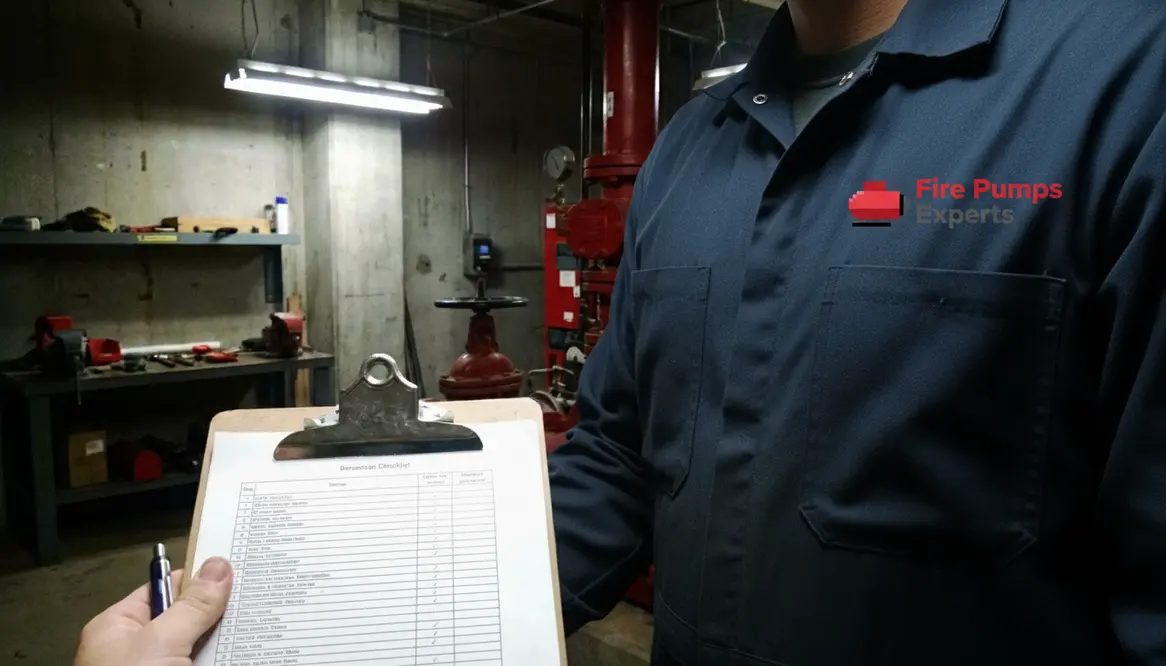
Houston Fire Pump Compliance Guide for Buildings
I have walked through more mechanical rooms than I can count, and in Houston, they all seem to hum with the same quiet responsibility. Fire protection is not flashy, yet it carries the weight of everything. When I talk about Houston fire pump compliance, I am talking about more than a box to check. I am talking about keeping people safe, protecting assets, and making sure your building does not turn into the opening scene of a disaster movie. And yes, I have seen setups that looked like they were designed during a coffee break.
So let us take a steady walk through what really matters when it comes to fire pumps in commercial and industrial properties across Houston.
Why Houston fire pump compliance deserves your attention
If you manage a building, you already juggle enough. Yet ignoring Houston fire pump compliance is like ignoring the smoke alarm while you cook. Maybe it will be fine. Until it is not. The goal is not just to pass inspections, but to have a system that actually performs when things go sideways.
Think of this as a field guide: practical, honest, and focused on keeping your systems working under pressure. Not theory for a classroom, but the kind of insight that keeps real buildings safe when alarms go off and everyone suddenly remembers where the exits are.
What do I actually need to meet Houston fire pump compliance?
I will answer this plainly. You need a system that works under pressure, passes inspection, and aligns with local codes. However, that simple sentence hides a lot of detail.
Codes, risk, and the reality of your building
First, Houston regulations follow national standards like NFPA, yet they also layer in local enforcement expectations. Therefore, I always start by confirming your pump type, capacity, and driver match your building’s risk level. A high rise office tower does not play by the same rules as a warehouse stacked to the ceiling.
Matching these pieces correctly is at the core of Houston fire pump compliance. If the pump and the building’s risk profile do not line up, you are essentially betting against physics and hoping paperwork will save you. It will not.
Paperwork that tells a clear story
Next, you need proper documentation. Inspectors in Houston are not guessing. They want test records, maintenance logs, and clear proof your system has been exercised regularly. If your paperwork looks like a mystery novel with missing chapters, you will feel it during inspection.
When I review a building, I want to see a story: installation details, weekly churn tests, monthly checks, annual flow tests, repairs, and follow up. Clean records are one of the simplest ways to keep Houston fire pump compliance from becoming a recurring headache.
Placement and access: compliance you can actually service
Finally, placement matters. I have seen pumps installed in ways that make maintenance nearly impossible. If a technician needs to perform gymnastics just to reach a valve, that is not compliance. That is a future headache.
Good layout is quiet but powerful. Clear access, logical piping, visible valves, and space to work are not luxuries. They are what let you test, repair, and prove that your system will actually deliver when the building fills with smoke and the system needs to earn its keep.
Choosing the right fire pump system for large properties
Not all fire pumps are created equal, and choosing the wrong one is like casting the wrong actor in a blockbuster role. It might look fine at first, but eventually, the flaws show.
Demand, reliability, and real world conditions
I typically evaluate three core elements. First comes demand. How much water do you need and how fast must it move? Then comes reliability. Electric pumps are common, yet diesel driven units offer independence during power loss. In Houston, where storms like to make dramatic entrances, that backup can be a lifesaver.
Then, I consider system integration. Your pump does not operate alone. It must work seamlessly with alarms, sprinklers, and backup power. If those systems do not communicate properly, you have a team that refuses to cooperate when it matters most.
Key System Factors
- Flow rate matched to hazard level
- Driver type based on risk tolerance
- Redundancy for critical operations
Common Pitfalls
- Undersized pumps
- Poor access for maintenance
- Ignoring backup power needs
If you want a deeper technical breakdown of pump options, layouts, and service strategies, resources like the fire pump service guide from Kord Fire at their fire pump systems page can be a helpful reference alongside your local Houston experts.
Installation realities in Houston commercial buildings
Installation is where theory meets reality, and reality tends to win. Houston buildings often deal with space constraints, flooding risks, and aging infrastructure. Therefore, I always plan installations with those challenges in mind.
Elevation, water supply, and environmental risks
For example, I pay close attention to elevation. Flood prone areas can turn a poorly placed pump room into an expensive aquarium. Additionally, I ensure suction supply is stable. Air in the system is not just annoying. It reduces performance when you need full pressure.
If you want Houston fire pump compliance that will still make sense ten years from now, you design for the city’s real climate and drainage challenges, not a perfect world on paper.
Anchoring, vibration, and long term reliability
Moreover, vibration control and proper anchoring are not optional. A poorly secured pump can shift over time, and that leads to alignment issues and wear. It is like driving a car with unbalanced tires. It works until it really does not.
Good installation practice quietly guards your budget. It cuts down on emergency repairs, protects your testing schedule, and helps ensure that when inspectors show up, you are not explaining why a pump sounds like a washing machine filled with bricks.
Maintenance that actually keeps you compliant
Maintenance is where many properties fall short, not because they ignore it, but because they underestimate it. I have seen pristine installations fail inspections simply due to neglected testing.
Testing rhythm: weekly, monthly, annual
Weekly churn tests, monthly inspections, and annual flow testing are not suggestions. They are essential. Additionally, I always recommend documenting everything immediately. Waiting to log data later is like trying to remember what you ate last Tuesday. You will guess, and guessing does not pass inspections.
Controllers, valves, sensors, and the weak link problem
Furthermore, component checks matter. Controllers, valves, and sensors must all function as intended. One small failure can compromise the entire system. Think of it like a band. If the drummer stops, the whole performance falls apart.
Houston fire pump compliance is not about one heroic piece of equipment. It is about all of the quiet components agreeing to do their job on the worst day your building ever has.
Houston fire pump compliance inspections without the stress
Inspections do not have to feel like an ambush. In fact, when you prepare properly, they become routine. I approach inspections as a confirmation, not a confrontation.
How I get a building ready for inspection
- First, I conduct internal audits before the official visit. This allows me to catch issues early.
- Next, I ensure all records are organized and accessible. Inspectors appreciate clarity, and honestly, so do I.
- Then, I walk the system physically. I check for leaks, corrosion, and any signs of wear. If something looks questionable, I address it immediately.
And yes, a little humor helps. I once told a client their pump room looked so clean it could host a dinner party. The inspector agreed. We passed without a hitch. A clean, orderly pump room sends a message: this building takes Houston fire pump compliance seriously, and it shows.
FAQ: quick answers for busy property managers
You have buildings to run, tenants to deal with, and a calendar that never seems to slow down. These are the questions I hear most often when we start talking about Houston fire pump compliance and keeping systems inspection ready.
Final thoughts and next steps
If you manage a commercial or industrial property in Houston, do not leave fire pump performance to chance. I can help you assess, upgrade, and maintain your system so it meets every expectation without the stress. Reach out today, and let us make sure your building stays protected, compliant, and ready for anything Houston throws its way.
The best time to take Houston fire pump compliance seriously is before the next inspection notice, before the next storm, and certainly before the next emergency. Build a rhythm of testing, documentation, and smart upgrades now, so that when the alarms sound, your system does exactly what it was built to do.