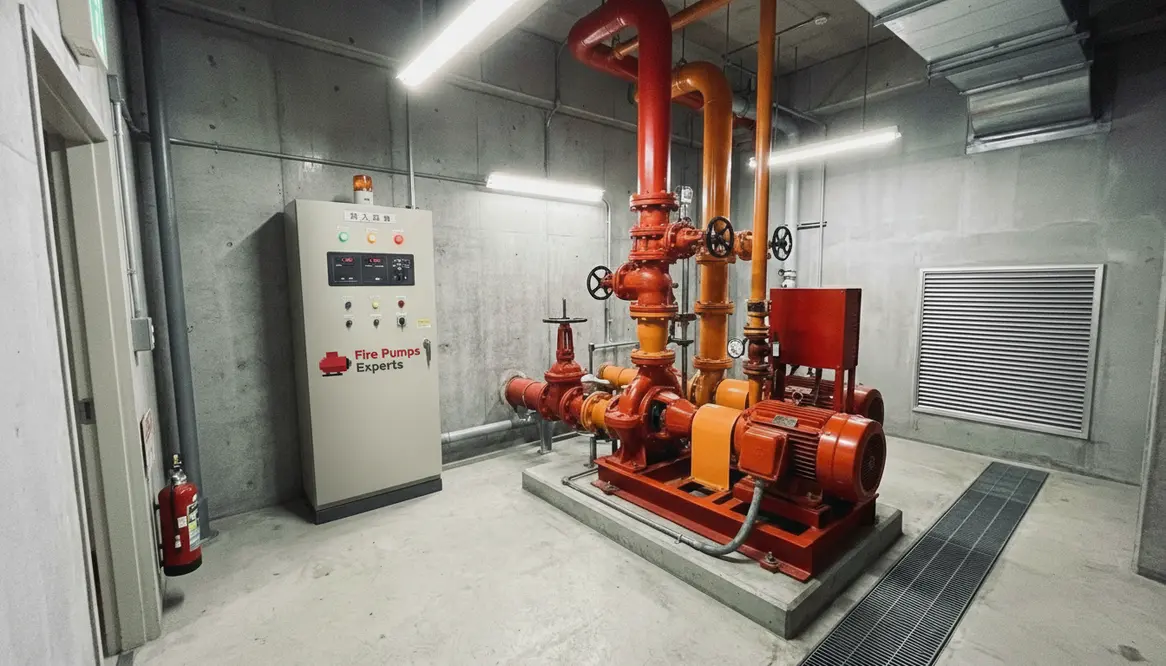
Japan Fire Pump Room Requirements Guide
Japan Fire Pump Room Requirements Overview
When I look at a Japan room built for fire pump equipment, I see more than pipes, valves, and a noisy machine that never learned how to whisper. I see a safety zone for commercial and industrial facilities, major property buildings, and the kind of places where fire protection has no room for guesswork. In Japan, fire pump room requirements focus on reliability, access, ventilation, drainage, power supply, and maintenance. In other words, the room must let the system do its job when the heat is on, and yes, that is the one time nobody wants drama.
So, if I am planning or reviewing a fire pump room for a large building in Japan, I start with the rules, then I move to layout, then I check the practical details that keep the system ready. The rest of this guide breaks it down in plain language.
What I check first in a Japan fire pump room
I always begin with the basics. The fire pump room must support a fire protection system that works fast and stays dependable. For commercial and industrial properties, that means the room needs enough space for the pump, controller, suction and discharge piping, valves, and service access. If the room feels cramped, I know trouble is waiting around the corner like a bad sequel.
In Japan, I also look for clear access for staff, inspectors, and emergency responders. The room should not double as a storage closet for boxes, tools, or forgotten office chairs. That may sound obvious, yet I have seen too many utility rooms behave like a scene from a hoarder show. The purpose must stay clear: keep the pump ready, keep it reachable, and keep it protected.
Japan room layout and equipment rules
I treat the room layout as the backbone of compliance. First, I make sure the pump sits where operators can inspect it without moving half the building. Then I check that the controller has a clean, dry position with enough clearance. After that, I confirm that the suction line, discharge line, and test connections allow smooth flow and easy service.
Here is a simple two column view of the main layout points I review:
Item
Space
Access
Ventilation
Drainage
Protection
What I look for
Enough room for operation and maintenance
Fast entry for staff and emergency use
Fresh air to support the pump and controls
Safe water removal after testing or leaks
Room kept free from heat, dust, and storage
I also confirm that the room supports the full system, not just the pump alone. A fire pump room in a large property must work like a team, not a solo act. Think Avengers, but with more steel, more water, and far less sarcasm from Iron Man.
How I handle power, water, and ventilation requirements
Power supply matters because a fire pump is useless if the building loses power and the backup plan fails. Therefore, I check the electrical setup, the controller reliability, and the emergency power source if the facility uses one. In major commercial and industrial buildings, this part deserves close attention because the pump must start when the system calls for it.
Water supply also matters. The suction source must stay dependable, and the piping must reduce the risk of air pockets, blockage, or weak flow. If the water path acts lazy, the whole system suffers. I want a setup that moves water with purpose, not one that behaves like it forgot why it came to work.
Ventilation comes next. Fire pump rooms generate heat, especially during testing and operation. So I make sure the room has enough air movement to protect the pump, controller, and nearby parts. Good ventilation also helps reduce moisture buildup, and that matters because rust never got a good reputation for a reason.
Japan fire pump room compliance for major buildings
When I review compliance, I focus on the building type and fire risk. Japan applies fire safety rules with a strong eye on use, size, and occupancy. That means a warehouse, factory, high rise, or large commercial center may face different demands. So, I never use a one size fits all approach. If I did, I would be asking for a callback, and nobody wants that kind of sequel either.
I also check inspection access, signage, and maintenance space. The pump room must allow regular testing, routine checks, and quick repair work. In a serious facility, downtime is not just annoying. It can affect property protection, operations, and people. That is why I treat compliance as a living task, not a checkbox with a nice font.
For deeper support on commercial and industrial fire pump systems, I would point readers to commercial fire pump room design guidance at https://firepumps.org as a useful reference when planning a major property installation.
In many large facilities, a well-structured Japan room becomes the anchor point for both inspections and long-term upgrades, which is why I like to see its layout treated as core infrastructure, not an afterthought squeezed into leftover space.
Keeping the Japan room practical and inspection-ready
A well-planned Japan room should feel calm, organized, and predictable. Clear walking paths, labeled valves, visible gauges, and reachable controllers all help inspectors and maintenance staff work without turning every visit into a puzzle. When I see operators stepping over hoses or ducking under pipes, I know something went wrong at the design stage.
Good lighting, durable flooring, smart drain placement, and simple wall signage do not make headlines, but they do make the room safer to move through during a real emergency, when nobody has time to search for the right valve or squint at a faded label.
Maintenance habits that keep the room ready
Even the best-designed room fails if nobody maintains it. I like to see a routine that includes weekly visual checks, scheduled pump tests, controller function checks, and quick cleanup of any leaks, rust spots, or clutter trying to sneak in. A Japan room that looks the same level of organized every time I visit usually tells me the building’s fire safety culture is in good shape.
Simple logs on the wall, digital records, or both can document every test and inspection. When something goes wrong, that history helps track patterns, justify upgrades, and show regulators that the facility treats pump room care as part of everyday operations.
FAQ
Final thoughts
If I want a fire pump room in Japan to pass the real world test, I focus on design, access, power, water, and upkeep from the start. That is the smart move for any commercial or industrial facility that takes fire safety seriously. If you are planning a major property project, I recommend reviewing your pump room setup early and comparing it with current requirements. A calm, compliant room today can prevent a very loud problem tomorrow. Reach out, assess the space, and build it right so your Japan room quietly does its job in the background while the rest of the building carries on as normal.
Treat the room as critical infrastructure, keep it clear, keep it documented, and keep it easy to navigate. When an alarm sounds, you want the fire pump to be the least dramatic part of the story.