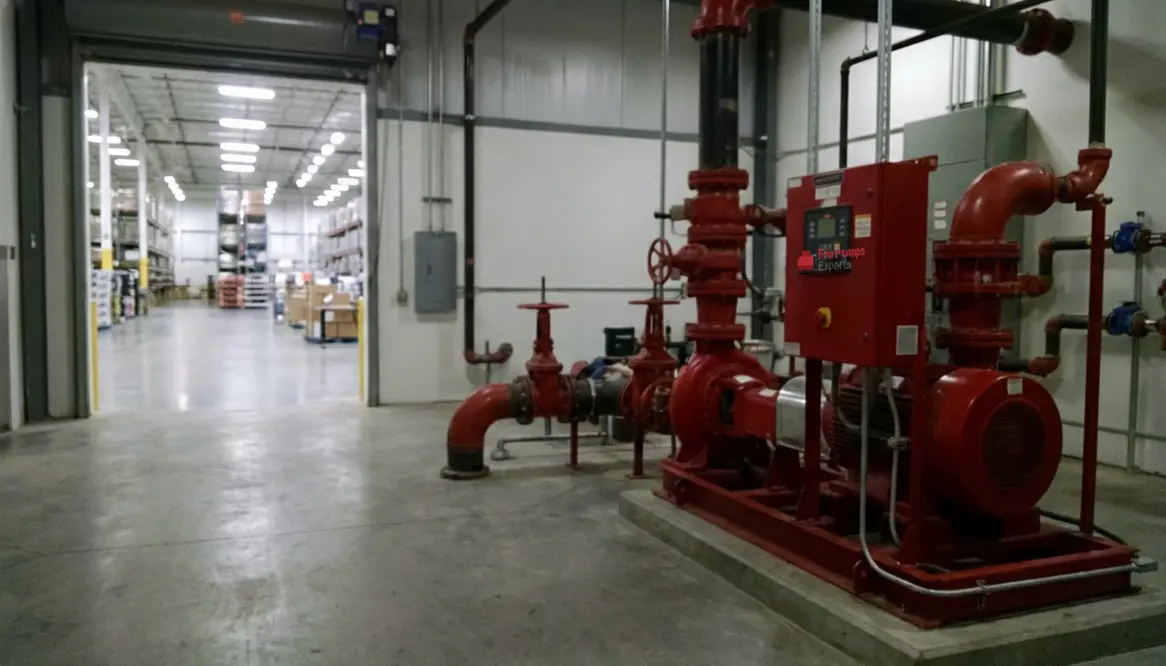
Large Format Retail Fire Pumps Design Guide
A practical, field-tested look at how large format retail fire pumps keep sprawling stores safe, efficient, and ready for the unexpected.
I have spent years walking through vast retail floors where the lights hum softly and the shelves stretch like highways. In spaces that large, safety cannot be an afterthought. It must be engineered into every corner. That is where large format retail fire pumps quietly take center stage. They do not seek attention, yet when things go wrong, they become the hero of the story. And unlike most heroes, they do not wear capes. They move water with precision, power, and a calm sense of purpose.
Why this guide matters
Big retail boxes are not just bigger versions of small shops. Their fire protection demands are different, harsher, and far less forgiving. This guide walks through how large format retail fire pumps are selected, sized, and kept ready so that when something does go wrong, water shows up in the right place, at the right pressure, at the right time.
Understanding Fire Pump Requirements in Expansive Retail Spaces
When I approach a big box store or a multi level retail complex, I immediately think about scale. Not just square footage, but ceiling height, storage density, and occupant load. These elements directly shape fire protection needs. Therefore, fire pumps must deliver consistent pressure across long pipe runs while supporting sprinkler systems that may stretch across hundreds of thousands of square feet.
In addition, codes and standards like NFPA 20 guide how these systems are designed and installed. However, meeting the minimum code is not always enough. I always recommend planning beyond baseline requirements because real world emergencies rarely follow a script. Think of it like preparing for a blockbuster finale rather than a quiet documentary scene.
Key risk drivers in large retail layouts
- Vast floor plates that stretch hydraulic calculations to their limits
- High ceilings that demand stronger sprinkler discharge
- Dense and variable storage, often shifting with seasons
- Large occupant loads and complex egress paths
All of these push large format retail fire pumps to work harder, smarter, and more consistently than their counterparts in smaller buildings.
What capacity do large format retail fire pumps actually need?
The answer depends on hazard classification, building layout, and water supply conditions. Still, I can give you a clear direction. Most large retail environments fall under Ordinary Hazard Group 2 or higher due to storage configurations and merchandise types.
As a result, fire pumps often need to deliver flows ranging from 750 to 3000 gallons per minute. Meanwhile, pressure requirements must overcome elevation changes and friction loss across the system. If your store includes mezzanines or high piled storage, expect those numbers to climb.
Moreover, I always factor in future expansion. Retail spaces evolve. What starts as neatly stacked shelves can quickly become towering storage zones during peak seasons. Planning ahead keeps your system from becoming yesterday’s solution to tomorrow’s problem.
Typical design flow ranges
- 750–1000 gpm for smaller big-box footprints with moderate storage
- 1000–2000 gpm for most large format retail layouts
- 2000–3000 gpm where high piled storage, mezzanines, or mixed uses are present
Beyond the minimum
The smartest designs treat today’s layout as the baseline, not the destination. Oversizing slightly, looping mains, and allowing space for future parallel large format retail fire pumps gives you room to grow without ripping out what you just installed.
Core Components That Keep the System Reliable
Every fire pump system is only as strong as its weakest link. Therefore, I pay close attention to each component and how they work together.
Pump Unit
The heart of the system. سواء electric or diesel driven, it must match demand without hesitation.
Controller
This is the brain. It ensures automatic startup and monitors performance.
Water Supply
A pump without water is like a car without fuel. Reliable municipal supply or onsite storage is essential.
Jockey Pump
Maintains system pressure and prevents unnecessary cycling.
Valves and Piping
These direct flow efficiently. Poor layout can sabotage even the best pump.
Power Source
Backup power is critical. Because outages love to show up at the worst possible moment.
Each piece must perform flawlessly. Otherwise, the entire system risks failure under pressure, and not the good kind.
Where big projects stumble
- Undersized power feeds or generators that cannot start the pump reliably
- Piping layouts that snake endlessly instead of taking direct, efficient paths
- Controllers buried in back rooms where no one notices alarm conditions
- Water storage sized for the first expansion, but not the second or third
Design Challenges I See in Large Retail Developments
Designing for large retail is never a copy and paste job. Every building brings its own quirks. For instance, wide open floor plans create long hydraulic paths. Consequently, maintaining pressure becomes more demanding.
Then there is vertical complexity. High ceilings require stronger sprinkler discharge to reach the seat of a fire effectively. Add storage racks into the mix, and suddenly you are dealing with obstructed spray patterns and increased fuel loads.
Another issue I often encounter is water supply inconsistency. Municipal systems do not always provide the pressure needed. Therefore, onsite tanks or booster systems become necessary. It is not glamorous work, but neither is explaining to stakeholders why the system underperformed.
And yes, I have heard the phrase “it worked on paper” more times than I care to admit. Paper does not put out fires.
How large format retail fire pumps help you cheat the layout
You cannot move columns or shrink aisles during a fire, but you can design water to behave as if the building were kinder. Properly located large format retail fire pumps, with thoughtful zoning and sectional control valves, let a complex footprint feel hydraulically compact, even when it is anything but.
Maintenance and Testing for Long Term Performance
Once installed, the job is not over. In fact, it is just getting started. Fire pumps require routine inspection, testing, and maintenance to stay reliable.
I always emphasize weekly churn tests and annual flow testing. These checks confirm that the system performs as designed. In addition, controllers, valves, and alarms must be inspected regularly.
Neglecting maintenance is like skipping oil changes on a high performance engine. It might run fine for a while. Then one day, it does not. And unlike a stalled car, failure here carries serious consequences.
For commercial and industrial facilities, partnering with experienced service providers ensures compliance and operational readiness. Because when inspectors show up, you want confidence, not crossed fingers.
A simple maintenance rhythm
- Weekly: Run the pump (no flow), verify start sequence, listen for changes in sound or vibration.
- Monthly: Exercise key valves, check controller logs, verify alarm signals at the fire alarm panel.
- Annually: Perform full flow testing, compare to original acceptance curves, and document everything.
- Every few years: Revisit whether your current large format retail fire pumps still match the actual hazard and layout.
Smart Planning for Large Format Retail Fire Pumps
I always say that the best systems are the ones you never have to think about. That level of reliability comes from smart planning early in the project.
Start with a detailed hazard analysis. Then align pump selection with both current needs and future growth. Additionally, coordinate closely with architects and engineers to integrate fire protection seamlessly into the building design.
Technology also plays a growing role. Modern controllers offer monitoring features that provide real time insights. So instead of guessing, you know exactly how your system is performing.
And let’s be honest, in a world where even refrigerators can send notifications, your fire pump should not be the quiet one in the corner.
Plan once, use for decades
- Leave clear access around pumps and controllers.
- Design drainage that can actually handle test flows.
- Coordinate with utility providers on long term water capacity.
- Document every assumption so future teams are not guessing in the dark.
Where to dig deeper
If you want to explore best practices, testing guidance, and configuration options for complex sites, resources like https://firepumps.org offer a solid starting point and additional context around performance expectations.
FAQ
Conclusion
When I look at a large retail facility, I see more than shelves and shoppers. I see a system that must stand ready at all times. Investing in the right fire pump solution protects people, property, and business continuity. If you are planning or upgrading a commercial space, now is the time to act. Work with experts who understand the demands of scale and performance, and make sure your fire protection system is built to deliver when it matters most.