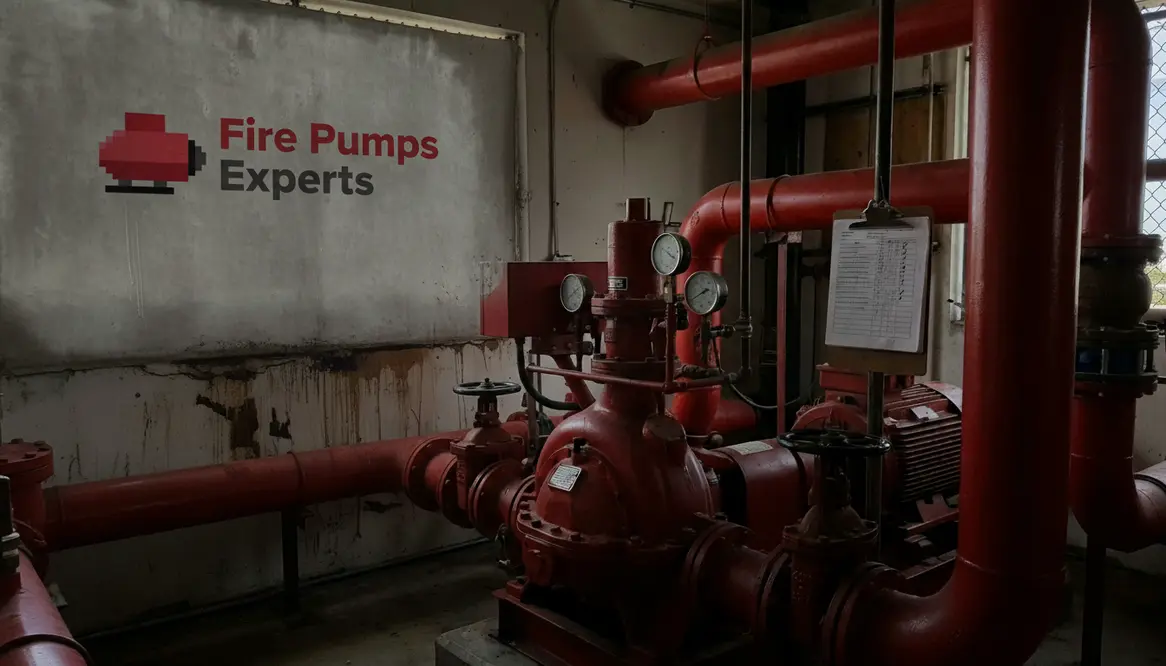
Miami Fire Pump Compliance Guide for Buildings
I have spent enough time around mechanical rooms to know one truth. When a fire pump fails, it does not whisper. It announces itself with consequences. That is why Miami fire pump compliance is not just another box to check. It is the quiet line between a controlled incident and a headline nobody wants to read. In a city where high rises touch the clouds and humidity hugs every surface, fire protection systems face real pressure every single day. So let me walk you through what actually matters, without the fluff, and with just enough humor to keep us both awake.
Understanding Miami Fire Pump Compliance Without the Headache
Let me say this plainly. Fire pump compliance in Miami is governed by strict codes, and those codes are not suggestions. They pull from NFPA standards, local ordinances, and inspection requirements that demand consistency.
Now, you might think, “It is just a pump. It moves water.” Sure. And a spaceship is just a vehicle that goes up. The reality is more complex. Your fire pump must deliver the right pressure, at the right time, under the worst possible conditions. Therefore, inspectors look for performance, documentation, and maintenance records.
Moreover, compliance means routine testing. Weekly churn tests, annual flow tests, and full system inspections all play a role. If one piece falls out of line, the whole system can fail inspection faster than a bad audition on a reality show.
What Do Inspectors Actually Look For During Fire Pump Testing?
I get this question a lot, and the answer is refreshingly direct. Inspectors want proof that your system works exactly as designed.
First, they review performance data. This includes flow rates, pressure readings, and pump start times. Next, they examine physical components. Controllers, valves, gauges, and alarms must all function without hesitation.
In addition, they look at your records. If your logs are incomplete, it raises a red flag. And in this line of work, red flags are not decorative.
Finally, they assess reliability. Backup power must kick in smoothly. Controllers must respond instantly. Because when a real emergency hits, there is no time for a second try.
Common Compliance Mistakes I See in Commercial Properties
I have walked through enough facilities to spot patterns. Some mistakes show up again and again, like reruns of a show nobody asked for.
Here are the usual suspects
Missed testing schedules
Teams get busy. Weeks slip by. Suddenly, required tests are overdue.
Poor documentation
If it is not written down, it did not happen in the eyes of an inspector.
Neglected components
Relief valves, controllers, and sensing lines often get ignored until they fail.
Improper installation updates
Renovations happen, but the fire pump system does not always get adjusted to match.
However, the biggest issue is assuming the system will just work. Hope is not a maintenance strategy. It never has been.
How I Approach Fire Pump Compliance for Large Facilities
Preventive mindset
I treat compliance as an ongoing process. Regular inspections and testing schedules are mapped out well in advance. Nothing gets left to memory.
Data tracking
Every test result tells a story. I track trends over time so small issues get caught before they grow.
System integration
I make sure the fire pump system works seamlessly with alarms, sprinklers, and backup power. One weak link can break the chain.
Expert servicing
Specialized technicians handle maintenance. This is not the place for guesswork or DIY confidence inspired by a weekend video.
Why Miami Buildings Face Unique Compliance Pressure
Miami is not your average environment. The heat, humidity, and salt in the air create conditions that wear down equipment faster than expected. That means components corrode, electrical systems face stress, and performance can drift over time.
Because of this, Miami fire pump compliance requires more attention, not less. You cannot install a system and forget about it. The environment simply will not allow that luxury.
Also, many commercial and industrial properties operate around the clock. Hospitals, high rise offices, and large residential towers demand uninterrupted protection. Therefore, maintenance must be precise and efficient, with minimal disruption.
And let us be honest. In a city known for hurricanes, preparedness is not optional. It is part of the culture.
How to Stay Ahead of Compliance Instead of Chasing It
I prefer to stay ahead rather than scramble at the last minute. It is less stressful and far more effective.
Start by building a clear testing calendar. Then, assign responsibility to trained personnel or trusted service providers. Consistency matters more than intensity.
Next, invest in quality inspections. A thorough annual test can reveal issues that routine checks might miss. Think of it as a full physical for your system.
Also, keep communication open between facility managers, safety teams, and service providers. When everyone stays aligned, problems get solved faster.
Finally, treat compliance as part of your operational strategy, not an afterthought. Because when it becomes routine, it stops feeling like a burden.
Why Miami Fire Pump Compliance Deserves Serious Attention
If you manage a building in this city, you already juggle plenty of moving parts. Systems, tenants, operations, and weather all compete for your attention. In that mix, it is tempting to let Miami fire pump compliance blend into the background like elevator music. Do not fall for that.
Your fire pump is the muscle behind your sprinklers and standpipes. When everything else in the building is heading in the wrong direction, this is the system that is supposed to push back. Staying compliant means your equipment has a fighting chance against real-world conditions, not just theoretical diagrams.
If you want a deeper look at what professional servicing and testing routines can look like in practice, resources like the fire pump service overview can help frame what reliable support and documentation should include. Seeing how structured inspection and maintenance programs work elsewhere often makes it easier to tighten up your own approach and keep Miami fire pump compliance from becoming a guessing game.
FAQ
Below are some of the questions that come up most often when people start taking Miami fire pump compliance seriously instead of treating it like a once-a-year fire drill for paperwork.
Closing Thoughts and Next Steps
If you manage a commercial or industrial property, now is the time to take a closer look at your system. Do not wait for an inspection to reveal gaps. Stay proactive, keep your records clean, and partner with experts who understand the stakes. When your fire pump system is ready, everything else runs smoother. And in this business, peace of mind is worth every ounce of effort. Reach out, get it checked, and keep your building prepared.