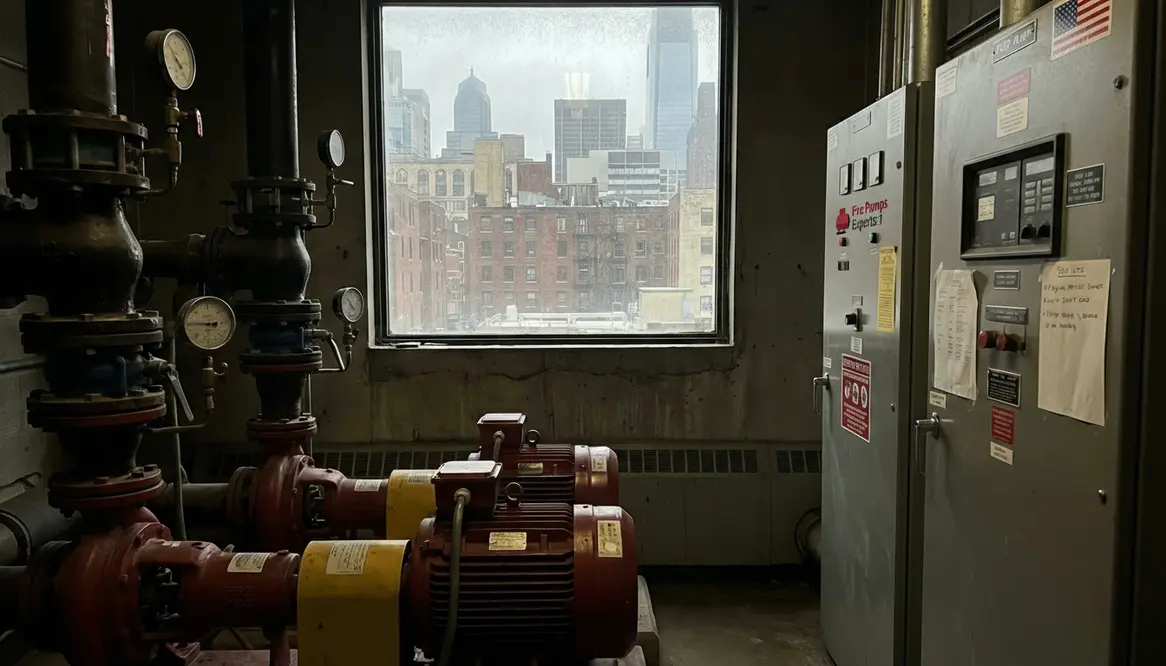
Philadelphia Fire Pump Code Guide for Buildings
When water needs to move, it better move fast and without excuses. That is exactly why the Philadelphia fire pump code exists. In a city packed with high rises, historic structures, and industrial facilities that never sleep, the rules are not just guidelines. They are the difference between control and chaos.
While codes in other cities may feel familiar, Philadelphia adds its own flavor. Think of it like a classic cheesesteak. Same basic ingredients, but the details matter. Getting those details wrong with the Philadelphia fire pump code can turn a routine inspection into a very expensive learning experience.
If you are planning, upgrading, or troubleshooting a system in the city, thinking ahead about fire pump requirements is not optional. It is the backbone of your fire protection strategy and the part the Authority Having Jurisdiction will zoom in on long before anyone admires your shiny new lobby.
How I Approach Fire Pump Code in Philadelphia Buildings
First, I look at the building itself. Philadelphia does not treat a warehouse the same way it treats a healthcare facility or a high rise office tower. Therefore, I always align the pump system with occupancy risks and building height. A mid-rise residential building with modest hazards is going to feel very different from a dense lab building with delicate equipment and high fuel loads.
Next, I factor in local enforcement habits. While national standards like NFPA 20 set the foundation, Philadelphia inspectors expect strict adherence to local amendments. In other words, you cannot just copy and paste a design from another city and hope it passes. The same drawing set that glided through approvals in another jurisdiction can stall out quickly if it ignores how the Philadelphia fire pump code actually gets applied in practice.
Also, redundancy plays a bigger role here. Many commercial and industrial facilities require backup power and highly reliable pump configurations. After all, in a city where history meets modern density, downtime is not an option. Never assume “good enough” flow today covers you tomorrow if you expand the building, change tenants, or modify hazards.
If you are wrestling with pump sizing, suction conditions, or pressure maintenance details, resources like Kord Fire’s NFPA 20 overview at this fire pump systems guide can help you frame questions before you sit down with your design team or inspector.
What Makes the Philadelphia Fire Pump Code Unique?
Water supply is not a guessing game
Let me put it simply. Philadelphia does not gamble with water supply. The code often emphasizes dependable water sources, even in areas where municipal pressure seems strong. Consequently, I often recommend more robust pump sizing than clients initially expect. When the Philadelphia fire pump code forces you to look at worst case fire flow and pressure, the “we should be fine” assumptions disappear quickly.
Access that actually works in real life
Another detail is inspection access. The city expects clear, practical access to fire pump rooms. That means no squeezing equipment into tight corners like you are playing Tetris at level ten. Technicians need space to work, and inspectors need to see valves, piping, and controllers without climbing over anything that looks even remotely like an obstacle course.
Electrical coordination that does not wait until the last minute
Moreover, electrical coordination matters more than people realize. Fire pumps must integrate seamlessly with emergency power systems. If the power goes out, the pump should kick in like a seasoned actor hitting their mark without missing a beat. That requires attention to transfer switches, feeder routing, voltage drop, and starting currents early in design, not on the last day before permit submission.
The result of all this? When the Philadelphia fire pump code is taken seriously up front, you end up with a system that does not just pass inspection; it performs predictably when the worst day of the building’s life arrives.
Ignore those unique expectations and you are stuck redesigning pump rooms, rerouting conduits, or reconfiguring suction piping while everyone else is wondering why the project is suddenly behind schedule.
Design Decisions That Can Make or Break Compliance
When I design systems for large commercial properties, I focus on three things: reliability, serviceability, and clarity. Those three are where most design reviews are won or lost, especially when you are threading the needle of the Philadelphia fire pump code in tight existing buildings.
Reliability
I select pumps that can handle fluctuating demand without strain. Additionally, I account for worst case scenarios, not just average use. If a fire starts at the farthest corner of the highest floor on the coldest day of the year, the system still has to deliver.
Serviceability
I ensure technicians can access valves, controllers, and test headers بسهولة. Because if maintenance becomes a headache, it will get delayed. Delayed maintenance and an unforgiving interpretation of code are not a combination you want to experience during an inspection.
Clarity
I keep layouts clean and labeling obvious. Inspectors appreciate it, and so do facility managers who would rather not decode a mystery system at 2 a.m. Good labeling, logical routing, and readable schematics turn complex pump rooms into systems normal humans can understand.
Coordination
I work closely with electrical and structural teams early. This avoids conflicts that can derail approvals later. A well coordinated fire pump layout respects structural beams, mechanical shafts, and future tenant work instead of becoming the stubborn system everyone else has to design around.
As a result, projects move faster through approvals and avoid costly redesigns. And yes, fewer headaches means fewer late night calls. I like sleep. You probably do too.
Common Pitfalls I See in Commercial and Industrial Projects
Even experienced teams slip up. However, the same mistakes tend to show up again and again, especially when schedules are tight and everyone assumes the pump room will “work itself out” later.
One major issue is underestimating space requirements. Fire pump rooms need breathing room. When space gets tight, compliance suffers quickly. Squeezing clearances to the bare minimum might look fine in a model, but inspectors measure with real tape, not optimism.
Another problem is overlooking testing provisions. The Philadelphia fire pump code expects proper flow testing setups. Skipping this detail is like buying a sports car and never checking if it can actually drive. Test headers, flow paths, and safe discharge points are not accessories; they are fundamental parts of the system.
Finally, documentation often falls short. Inspectors want clear records, accurate drawings, and consistent data. If paperwork looks rushed, expect delays. When your submittal set, calculations, and pump data sheets look like they were assembled five minutes before a deadline, you can count on extra questions.
How I Navigate Inspections Without Losing My Mind
Inspections in Philadelphia can feel intense. However, I treat them as a collaboration rather than a confrontation. The goal is simple: prove that the system does what the Philadelphia fire pump code says it must do, under the conditions it was designed for.
First, I prepare thoroughly. I walk through the system as if I am the inspector. Then I fix anything that raises even a small question. If I cannot explain a design choice in one clear sentence, that is usually a sign I need to clean something up before inspection day.
Next, I communicate clearly. If something is unique or unconventional, I explain it upfront. This builds trust and avoids confusion. Inspectors are not interested in surprises; they are interested in systems that work, documented in a way that makes sense.
And yes, I stay calm. Inspectors have seen everything. Trying to bluff your way through an issue is about as effective as using a garden hose to stop a five alarm fire. Owning mistakes, correcting them quickly, and documenting the fix earns far more respect than pretending the problem does not exist.
FAQ Quick Answers for Building Owners and Facility Managers
Final Thoughts and Your Next Move
If you manage or own a commercial or industrial property in Philadelphia, now is the time to take your fire pump system seriously. The code is detailed, but it is not impossible. With the right planning and a sharp eye for local requirements, you can avoid delays and protect your investment. Treat the Philadelphia fire pump code as an operating manual for reliability, not just another stack of rules you have to comply with.
Start by understanding your building’s risks, your water supply realities, and the expectations of your Authority Having Jurisdiction. Then work with design, installation, and testing professionals who live in this world every day. Reach out to experienced teams who understand these systems inside and out, keep up with evolving standards, and know how to present them clearly at inspection time.
Because when it comes to fire protection, cutting corners is never part of the plan. The buildings that perform best under pressure are the ones where owners treated code compliance as a baseline, not a ceiling, and built their fire pump strategy to do exactly what it needs to do on the day it matters most.