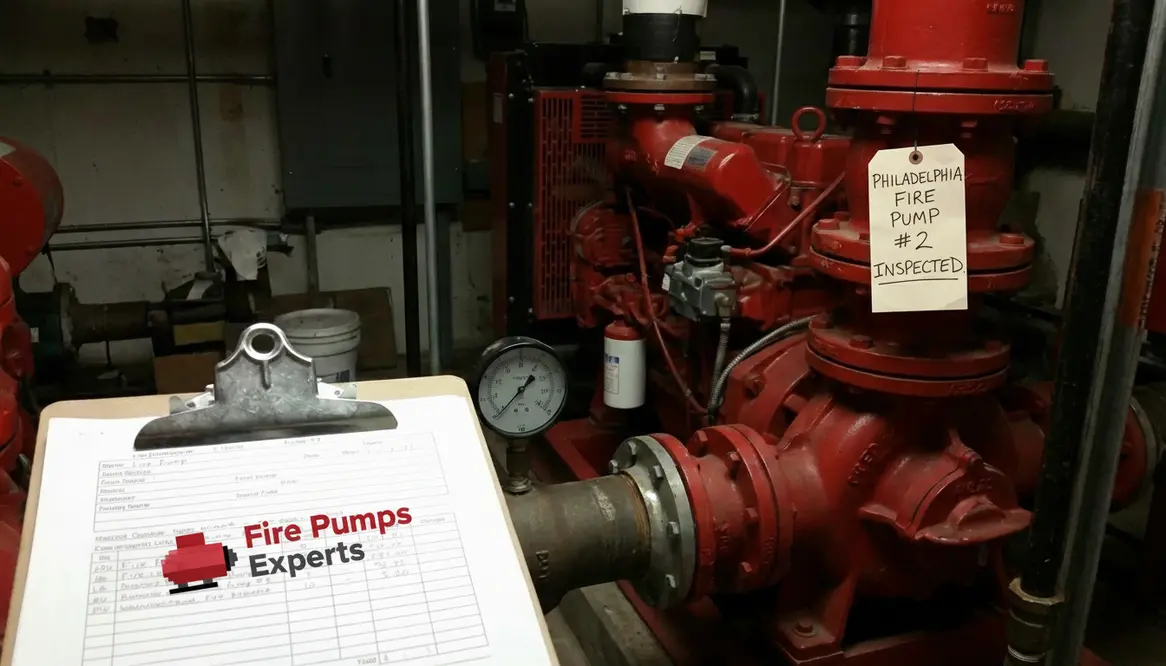
Philadelphia Fire Pump Inspection and Testing
A practical guide for commercial and industrial property teams who would rather avoid sirens, citations, and sleepless nights.
I have walked through more mechanical rooms than I can count. Some hum quietly like a well tuned orchestra. Others sound like a washing machine full of bowling balls. Somewhere in that room sits one of the most important pieces of life safety equipment in any large facility. The fire pump. And if you manage a commercial or industrial building in Philadelphia, understanding the fire pump inspection and testing requirements philadelphia expects is not optional. It is part safety measure, part legal responsibility, and part paperwork marathon.
Now I know what you might be thinking. Paperwork? Inspections? Testing logs? Not exactly the stuff of blockbuster movies. But when a fire system performs flawlessly during an emergency, those quiet little inspection reports become the unsung heroes of the story. Today I will walk through what needs to be tested, what must be documented, and how large property managers can stay compliant without losing sleep or their sanity.
If your fire pump does its job, most people will never even know it ran. The only trace will be those inspection tags and test reports you filed away. That is exactly how it should be.
In well run buildings, fire pump paperwork is boring. Boring means predictable tests, clean logs, and systems that work on the one day everyone is suddenly paying attention.
Why Fire Pump Documentation Matters in Large Philadelphia Buildings
First, let us set the stage. Fire pumps exist for one purpose. They ensure that sprinkler and standpipe systems maintain the water pressure needed to control a fire. Without that boost, even the best sprinkler network can struggle to deliver water where it matters most.
Philadelphia follows standards closely aligned with NFPA 25, which governs inspection, testing, and maintenance of water based fire protection systems. However, local enforcement expects clear documentation. In other words, it is not enough to test the pump. You must prove you tested it.
For commercial campuses, hospitals, distribution centers, manufacturing plants, and high rise properties, documentation protects both the building and the owner. Inspectors want records. Insurance carriers want records. And if something ever goes wrong, lawyers definitely want records.
So when I review fire pump compliance programs across large facilities, I focus on one simple principle. If it is not written down, the city assumes it never happened.
Besides, organized records make life easier. Instead of scrambling through dusty binders during an inspection, you calmly open a logbook. It is a small moment, but it feels like winning a chess match.
Fire Pump Inspection and Testing Requirements Philadelphia Property Managers Must Track
The structured testing rhythm behind reliable pumps
Large commercial buildings operate under a structured testing schedule. These inspections are not random. Each one targets specific components of the pump system to confirm that everything works when needed. Following the fire pump inspection and testing requirements philadelphia enforces means treating this schedule as non negotiable, not as a suggestion.
Here are the core inspections that must be documented.
Weekly or Monthly Pump Churn Tests
Electric and diesel pumps must run regularly without flowing water. This churn test confirms the pump starts automatically and reaches proper pressure levels. During the test, technicians record suction pressure, discharge pressure, and run duration.
Controller and Alarm Checks
The pump controller acts as the brain of the system. Inspectors verify indicator lights, alarm signals, and automatic start functions. Even small warning signals matter because they often reveal deeper electrical or mechanical problems.
Fuel and Cooling System Verification
Diesel fire pumps require fuel level checks, coolant monitoring, and battery testing. These systems cannot fail during an emergency. A diesel pump that refuses to start is about as helpful as a flashlight with dead batteries.
Annual Flow Testing
This is the big one. During annual testing, technicians flow water through the pump to verify it meets rated capacity and pressure. The results show whether the pump still performs as designed or if wear has reduced output.
Each test produces numbers. And those numbers tell the real story of system health. When the fire pump inspection and testing requirements philadelphia uses are followed precisely, those numbers become your best evidence that the system will deliver when it counts.
What Exactly Should Be Documented During Each Fire Pump Test?
Turning raw test data into defensible records
If you ask an inspector what they want most, the answer usually sounds simple. Clear records. Yet many facilities struggle here because they document some data while missing key details.
When I review inspection logs, I expect to see specific information recorded every single time. It is the difference between “we think we tested it” and “here is proof we tested it properly under the fire pump inspection and testing requirements philadelphia inspectors reference.”
Operational Data
- Pump start time
- Suction pressure readings
- Discharge pressure readings
- Run duration
- Flow test measurements
- Controller status indicators
Inspection Details
- Date of inspection
- Technician name
- Facility location of the pump
- Observed issues or abnormalities
- Corrective actions taken
- Verification signatures
Additionally, annual flow tests should include performance curves. These charts compare current pump performance against original design ratings. If the numbers drift too far, maintenance teams can intervene before a real emergency exposes the weakness.
And here is a small truth seasoned engineers understand. Pumps rarely fail suddenly. They whisper warnings first. Documentation helps us hear those whispers.
How I Prepare Buildings for a Philadelphia Fire Pump Compliance Audit
Turning inspections into a storyline inspectors can follow
Whenever a large facility prepares for a compliance review, the smartest move is organization. Inspectors appreciate clear systems because they can verify compliance quickly.
First, I gather inspection logs and maintenance records from the past year. These should include weekly churn tests, monthly inspections, and annual flow reports. Next, I confirm that all records show consistent testing intervals. Missing months raise red flags immediately.
Then I check repair documentation. If a problem appeared in the logs, inspectors expect proof it was resolved. Leaving an issue unresolved for months tends to attract attention, and not the good kind.
Finally, I ensure documentation lives in two places. A physical binder near the fire pump room and a digital backup stored in facility management software. Redundancy saves headaches later.
Think of it like backing up your phone photos. Nobody plans to drop their phone in a puddle, yet somehow it happens. The same logic applies to safety records.
If you want to see how a professional fire pump program is structured, review a resource like a dedicated fire pump service overview. It will look very familiar to the inspection and testing rhythm you are building in your own facility.
Common Documentation Mistakes in Commercial Fire Pump Programs
Where good intentions collide with missing details
Even experienced facility teams occasionally overlook details. However, certain mistakes appear often when reviewing compliance records tied to the fire pump inspection and testing requirements philadelphia enforces.
Incomplete Pressure Readings
Some logs record pump start times but forget pressure measurements. Unfortunately, pressure readings provide the most important performance data.
Irregular Testing Intervals
Skipping scheduled tests or delaying them weeks beyond the due date creates compliance gaps.
Missing Technician Identification
Every inspection should list the individual or company performing the work. Accountability matters.
Unclear Corrective Action Notes
If an issue appears, the log must describe what was done to fix it. Writing “checked system” is about as helpful as telling a mechanic “the car made a noise.”
Fortunately, these mistakes are easy to avoid once a consistent documentation process exists. When your team builds habits around the fire pump inspection and testing requirements philadelphia authorities enforce, the logs almost fill themselves in.
FAQs About Fire Pump Inspections in Philadelphia
You are not the only one with questions about what exactly must be tested and documented. These are some of the most common topics that come up when building owners work through the fire pump inspection and testing requirements philadelphia uses as its benchmark.
Conclusion
Fire pump inspections may not feel glamorous, but they quietly protect every floor, hallway, and production line inside a commercial building. When documentation is clear and testing happens on schedule, compliance becomes routine instead of stressful.
If you manage a large facility in Philadelphia and want confidence your system meets every requirement, build a testing and documentation program that treats the pump as critical infrastructure, not background noise. Lean on NFPA 25 as your framework, organize your records so they tell a simple story, and make sure every test leaves a trace on paper or on screen.
When those three pieces line up — disciplined testing, complete documentation, and a pump that performs to its rating — the fire pump inspection and testing requirements philadelphia expects stop feeling like a burden and start looking like exactly what they are: a plan for keeping people, property, and operations safe on the worst day your building might ever face.