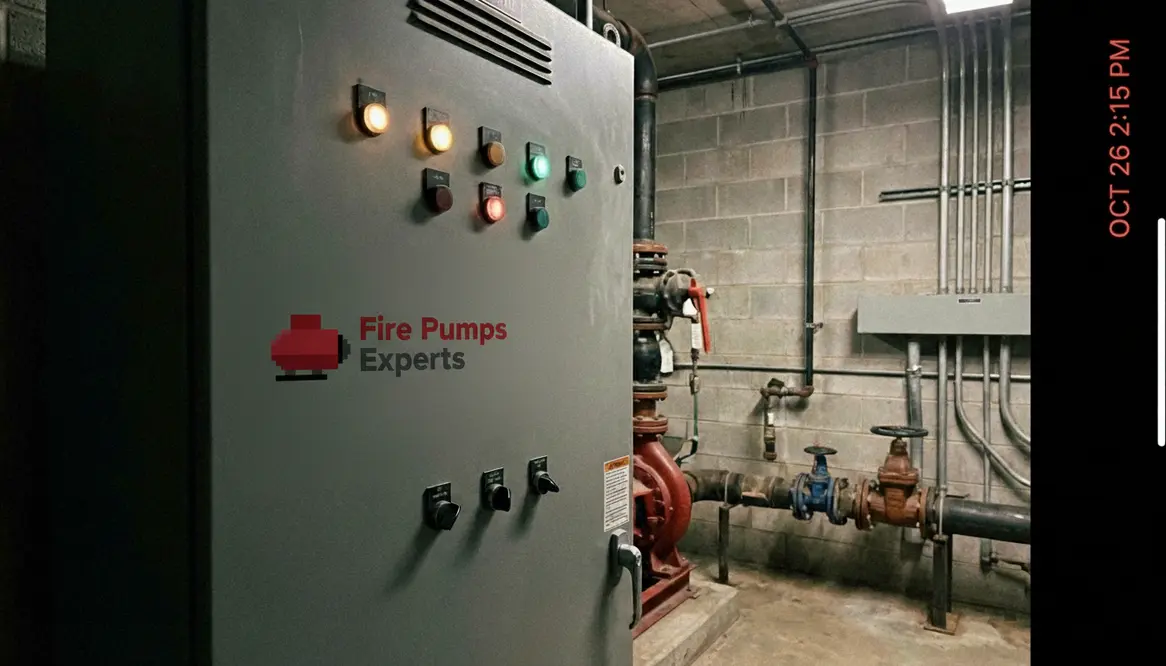
Fire Pump Controller Troubleshooting Phoenix Alarms
How to interpret alarms, transfers, and shutdowns in high-demand Phoenix buildings without losing your cool in the pump room.
I have spent years walking into pump rooms that sound like a symphony of humming motors, clicking relays, and the occasional mystery beep that makes everyone nervous. In a city like Phoenix, where large commercial towers, data centers, hospitals, and manufacturing facilities rely on dependable fire protection, the controller is the quiet brain behind the entire system. When it speaks through alarms, transfers, or shutdown signals, it is not being dramatic. It is trying to tell you something important.
That is why fire pump controller troubleshooting phoenix alarms transfers shutdowns has become a serious topic across major facilities in the Valley. A controller issue can turn a routine inspection into a tense moment faster than a movie villain saying “I’ve been expecting you.” Fortunately, with the right approach and a calm mind, most controller problems can be understood and resolved before they threaten system readiness.
So let me walk you through how I read these signals, how I approach diagnostics, and why understanding the controller is one of the most valuable skills a facility team can develop.
Understanding Fire Pump Controller Signals in Large Facilities
First, I always remind facility managers of one simple truth. The controller is not trying to annoy you. It is communicating.
Inside a commercial fire pump controller, dozens of sensors and relays constantly monitor pressure, voltage, and system status. When one variable drifts out of range, the controller responds immediately.
Typically, these signals fall into three main categories.
- Alarm conditions that warn of electrical, pressure, or mechanical issues
- Transfer events where power sources shift to maintain operation
- Shutdown events triggered by safety or operational limits
However, context matters. An alarm during routine testing means something very different from an alarm during a power fluctuation at a hospital campus.
Therefore, I always start with system history. I look at previous inspection reports, recent electrical work, and pump test data. Patterns often appear. And when they do, troubleshooting becomes far less mysterious.
Interrogating relays instead of suspects
Think of it like detective work, except instead of interrogating suspects, I am interrogating relays.
Fire Pump Controller Troubleshooting Phoenix Alarms Transfers Shutdowns in High Demand Buildings
Phoenix presents unique operating conditions for commercial and industrial systems. Heat, dust, and heavy electrical loads can push controllers harder than many people expect.
Consequently, the first thing I check during fire pump controller troubleshooting phoenix alarms transfers shutdowns is the electrical environment.
Voltage stability is critical. Even small fluctuations can trigger nuisance alarms or unexpected transfers between power sources.
Common Alarm Triggers
- Low suction pressure from supply interruptions
- Phase reversal or voltage imbalance
- Motor overload signals
- Controller battery or charger faults
- Pressure switch calibration drift
Frequent Transfer Causes
- Utility voltage dips during peak demand
- Generator testing cycles
- Automatic transfer switch timing issues
- Loose electrical connections
- Controller programming conflicts
In large facilities such as distribution centers or medical campuses, I often see alarms linked to building wide electrical changes. A new HVAC upgrade, for example, can introduce subtle voltage variations.
Meanwhile, dust buildup inside older controller cabinets can affect relay performance. Phoenix dust has a personality of its own. If it ever gets cast in a western movie, it will definitely play the outlaw.
Why preventative maintenance is a reliability strategy
Because of this, preventative maintenance becomes more than a checklist item. It becomes a reliability strategy. Many teams now look at fire pump controller troubleshooting phoenix alarms transfers shutdowns as part of their broader electrical and mechanical health program rather than a one-off emergency task.
What Causes Fire Pump Controllers to Shut Down Unexpectedly
When a pump shuts down unexpectedly, people understandably panic. However, I have learned that most shutdown events fall into a handful of predictable causes.
First, safety interlocks may activate. Controllers include protections to prevent catastrophic equipment damage.
For example, if the pump loses suction pressure completely, running dry could destroy the pump. Therefore the controller may stop the motor.
Second, electrical protection devices may trip. Overcurrent relays, thermal overloads, or circuit breaker faults can interrupt operation.
Third, configuration errors sometimes creep in during system upgrades. I once inspected a facility where a software setting triggered an automatic shutdown during weekly testing. The pump behaved perfectly. The settings just had stage fright.
A simple shutdown troubleshooting sequence
Therefore, when I troubleshoot shutdowns, I follow a simple sequence.
- Review event logs inside the controller
- Check electrical protection devices
- Verify pressure switch operation
- Inspect wiring integrity and terminal torque
- Confirm system configuration settings
This method keeps troubleshooting focused and efficient, which matters greatly in mission critical environments like data centers or hospitals.
How I Diagnose Alarm Patterns in Phoenix Pump Rooms
Modern controllers store valuable diagnostic information. Unfortunately, many facilities never look at it.
When I open a controller panel, I treat the event log like a timeline. Each alarm tells part of the story.
For example, if I see repeated low pressure alarms followed by motor starts, I begin looking at supply valves, pressure sensors, or underground water feeds.
However, if alarms appear during utility power disturbances, the issue likely sits upstream in the electrical distribution system.
Large commercial buildings in Phoenix often share power infrastructure across multiple systems. Elevators, chillers, and manufacturing equipment all compete for stable voltage.
Coordinating with the rest of the building
Therefore, I often coordinate with facility electricians when troubleshooting recurring controller alerts. Fire protection systems rarely operate in isolation.
Also, I pay close attention to alarm timing. If alerts appear at the same hour each day, something scheduled in the building may be influencing the controller.
In one industrial facility, alarms appeared every afternoon. After some digging, we discovered the cause. A massive packaging line started up at exactly 2 PM, causing a brief voltage sag. Mystery solved. Sherlock Holmes would have approved.
How Facility Teams Can Prevent Controller Problems Before They Start
Preventing controller issues requires discipline and routine observation.
While certified technicians perform annual testing, building engineers interact with these systems more frequently. Their awareness plays a major role in early detection.
I recommend several habits for facility teams managing large commercial properties.
- Review controller displays during weekly pump churn tests
- Listen for unusual relay chatter or delayed starts
- Inspect cabinet ventilation and cleanliness
- Verify transfer switch operation during generator testing
- Document all alarm activity immediately
Environmental control in Phoenix pump rooms
Additionally, environmental control inside pump rooms matters more than most people realize. High temperatures accelerate electronic wear. Phoenix summers are legendary, and controller electronics would prefer not to experience them directly.
Consequently, proper ventilation and dust control extend equipment life significantly.
And yes, even a simple cabinet cleaning can prevent future headaches. Electronics appreciate a tidy home just as much as we do.
If you are updating your maintenance procedures, remember that fire pump controller troubleshooting phoenix alarms transfers shutdowns should sit alongside regular pump testing and inspection of valves, piping, and sprinklers. Resources like the NFPA 20 overview at Kord Fire Protection can also help your team align field practices with current standards.
FAQ: Fire Pump Controller Issues in Commercial Buildings
What does a fire pump controller alarm mean?
It indicates the controller detected a condition outside normal limits such as voltage imbalance, pressure issues, or motor protection triggers.
Why does a fire pump controller transfer power sources?
Controllers transfer power when utility voltage drops or fails, ensuring the pump continues running through a generator or alternate supply.
Can a fire pump controller shut down automatically?
Yes. Safety protections may stop the pump to prevent damage caused by electrical faults, loss of water supply, or configuration limits.
How often should fire pump controllers be inspected?
Commercial and industrial facilities typically follow weekly observation, monthly checks, and annual professional testing according to NFPA standards.
What causes nuisance alarms in Phoenix buildings?
Common causes include voltage fluctuations, dust contamination inside cabinets, sensor calibration drift, and electrical upgrades within the facility.
Keeping Critical Fire Protection Systems Ready
Fire pump controllers rarely demand attention until something goes wrong. However, when alarms, transfers, or shutdowns appear, they deserve immediate and knowledgeable investigation. For large commercial and industrial properties in Phoenix, proactive system oversight keeps life safety systems reliable and compliant.
If your facility has experienced recurring controller alerts or unexplained shutdown events, it may be time for a deeper evaluation. Our specialists focus exclusively on major buildings and complex systems, helping your fire protection infrastructure stay ready when it matters most. Treat fire pump controller troubleshooting phoenix alarms transfers shutdowns as an ongoing discipline, not a one-time project, and your pump room will be a lot less dramatic when the next mystery beep echoes through the door.