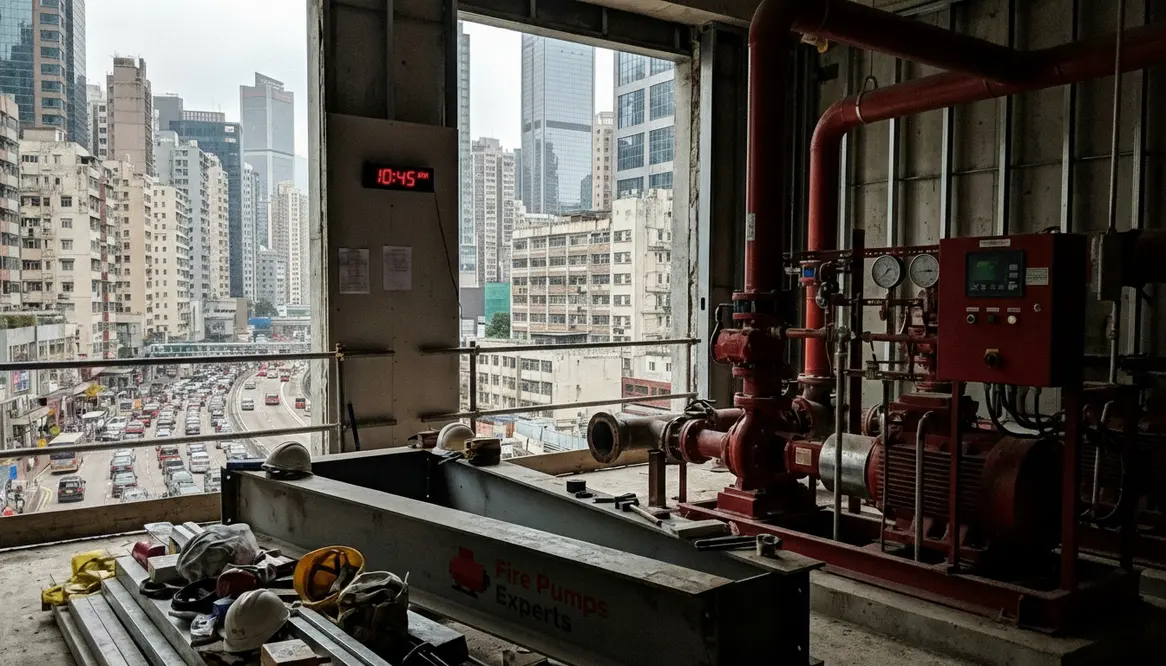
Prevent Fire Pump Project Delays in Major Cities
I have seen it happen more times than I care to count. A gleaming commercial tower, a tight construction schedule, and then… silence. Not the peaceful kind either. The kind where timelines stall, budgets stretch, and everyone starts checking their watches. That is the reality of fire pump project delays in major U.S. cities. And trust me, in places like New York, Los Angeles, or Chicago, time is money with a capital M. So, let me walk you through how I keep these projects moving like a well paced jazz rhythm instead of a broken record.
Why Fire Pump Project Delays Happen in Major Cities
First, let us call it what it is. Big cities are complicated beasts. Permits move slowly, inspectors have packed schedules, and supply chains can feel like they are stuck in traffic on the 405 at rush hour.
However, the real trouble often starts earlier. I have noticed that unclear specifications and late design changes quietly plant the seeds for trouble. Then, once procurement begins, those small issues grow into full blown delays.
Meanwhile, local codes add another layer. Each city has its own rules, and they are not shy about enforcing them. If you miss even one requirement, you are not moving forward. You are hitting pause, and suddenly what looked like manageable coordination turns into a perfect storm of fire pump project delays that nobody budgeted for.
Urban Project Reality Check
In dense metros, you are not just installing a fire pump. You are threading a needle through zoning rules, high rise code requirements, neighboring construction, and limited delivery windows. Every small decision about scope, routing, and power feeds either shortens or stretches your risk of fire pump project delays, even before anyone touches a wrench.
If your team is treating the fire pump as “just another line item,” you can almost hear the schedule gears grinding already.
How Do I Prevent Fire Pump Delays Before They Start?
I start early. Earlier than most people feel comfortable with. Because in this game, hesitation is expensive.
First, I lock in detailed specifications. Not vague ideas. Not “we will figure it out later.” I mean exact pump types, controllers, power requirements, and space constraints. That clarity keeps everyone aligned and strips out so many of the quiet little decisions that typically snowball into fire pump project delays down the road.
Next, I coordinate with local authorities right away. In cities like Boston or San Francisco, waiting until the last minute is like showing up to a sold out concert expecting front row seats. It just will not happen.
Then, I work closely with suppliers who understand commercial and industrial systems. Not all vendors are built for high demand environments. The right partner knows the codes, the timelines, and the stakes, and they can tell you when your “optimistic” delivery dates are actually fantasies in disguise.
When a project is high rise, complex, or spread across multiple phases, I also lean on proven specialists. Teams like experienced fire pump service providers keep the technical pieces grounded in reality so the schedule does not become a science experiment.
Smart Planning That Keeps Projects Moving
Planning is where momentum lives or dies. So I treat it like a blueprint for success rather than a checklist.
What I prioritize
- Early equipment submittals
- Accurate lead time tracking
- Clear communication with contractors
- Pre scheduled inspections
What I avoid
- Last minute design tweaks
- Unverified suppliers
- Assuming code compliance
- Waiting on approvals without follow up
Additionally, I build buffer time into the schedule. Not because I expect failure, but because I respect reality. Even the best plans need breathing room, especially when you know how quickly fire pump project delays can cascade through inspections, tenant improvements, and final occupancy.
Navigating Permits and Inspections Without Losing Your Mind
Permits can feel like a slow moving movie where nothing happens for hours. But here is the trick. I stay proactive.
I maintain direct contact with city officials. I follow up consistently. And yes, sometimes I bring patience worthy of a Jedi master. Because in dense metro areas, inspection slots are limited, and missing one can push your timeline back weeks.
Inspection Day Without the Drama
Furthermore, I prepare thoroughly for inspections. I do not walk in hoping everything works. I test systems, verify documentation, and make sure every detail is in place. Because failing an inspection is like failing a driving test in front of your entire project team. Nobody enjoys that, and it is one of the fastest ways to trigger completely avoidable fire pump project delays that haunt the schedule for months.
Supply Chain Reality and How I Stay Ahead
Supply chain issues are not just headlines. They are real, and they impact fire protection systems heavily.
So instead of reacting, I anticipate. I confirm manufacturing timelines. I track shipments closely. And when possible, I secure equipment well before installation windows.
Also, I keep backup options ready. Not as a primary plan, but as a safety net. Because when a critical component is delayed, having an alternative can mean the difference between staying on track and explaining slippage in a boardroom full of executives who are already frustrated by fire pump project delays on other parts of the build.
The key is to treat every long lead item as a mini project: clear owner, clear dates, clear contingencies. That is what keeps mystery delays from sneaking into your schedule.
Coordinating Teams Across Large Scale Projects
Large commercial and industrial projects involve a lot of moving parts. Engineers, contractors, inspectors, and facility managers all play a role. If communication breaks down, delays follow quickly.
That is why I keep everyone aligned with regular updates. I make expectations clear. I address issues early. And importantly, I document everything.
Keeping the Rhythm on Complex Jobs
Moreover, I treat coordination like a continuous process, not a one time meeting. Because in cities where projects move fast, staying connected keeps small problems from becoming expensive ones. When everyone sees the same constraints, milestones, and inspection windows, the chance of surprise fire pump project delays drops dramatically.
Think less “who owns this problem?” and more “how do we move this piece together?” That subtle shift saves weeks.
FAQ: Fire Pump Project Timing and Delays
There are a few questions that come up on almost every major city project. The themes do not change much, even though the skylines do.
Keep Your Project Moving Forward
In my experience, avoiding fire pump project delays is not about luck. It is about control, foresight, and the discipline to act early. If you are managing a commercial or industrial property in a major city, the stakes are simply too high to leave things to chance.
Work with experts who understand the terrain, plan with precision, and stay ahead of every moving part. Build your schedule like a piece of infrastructure, not a wish list. When you treat the fire pump as a critical path system instead of an afterthought, your project does not just move forward. It flows.