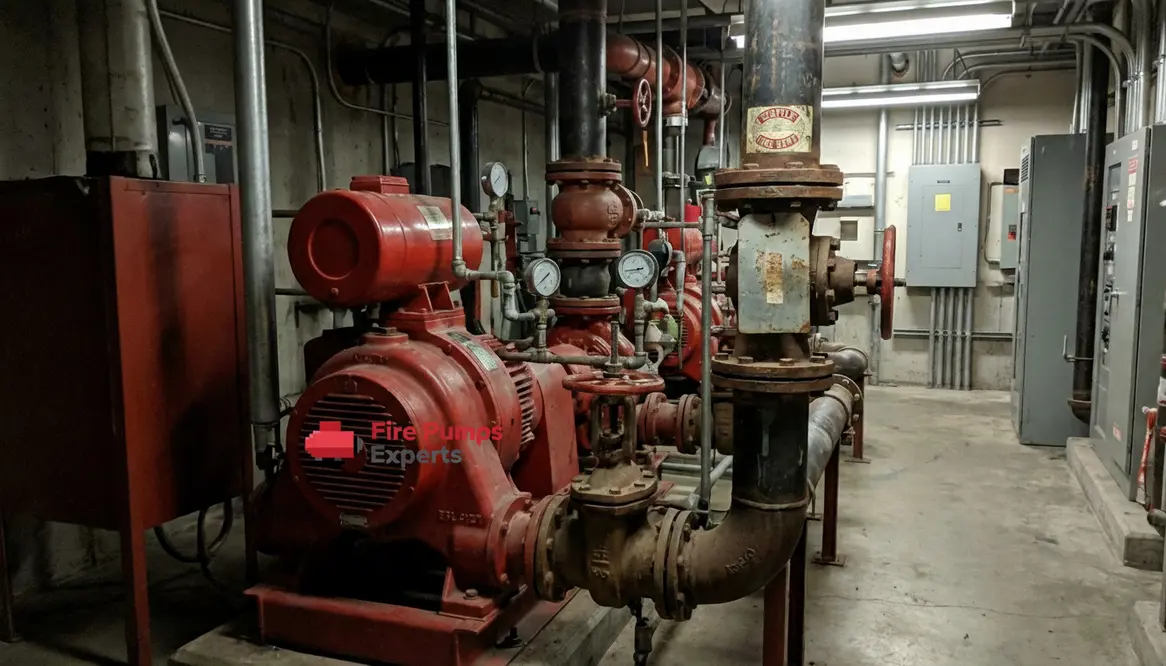
Seattle Fire Pump Requirements for Commercial Buildings
I have spent years walking through mechanical rooms that hum like a quiet orchestra, and if there is one thing I have learned, it is this: when it comes to protecting large commercial properties, the Seattle fire pump requirements are not just guidelines, they are the backbone of life safety. In a city where high rises scrape the clouds and industrial facilities operate around the clock, fire protection is serious business. Still, that does not mean we cannot make the journey through codes and compliance a little more human, and maybe even crack a smile along the way.
What Are Seattle Fire Pump Requirements for Commercial Buildings?
If you are asking this, you are already on the right track. In simple terms, these requirements define when a fire pump is needed, how it must perform, and how it should be installed and maintained. I like to think of a fire pump as the unsung hero of a building, kind of like the bass player in a band. You do not always notice it, but when it is missing, everything falls apart.
In Seattle, fire pump systems must comply with local amendments to national standards like NFPA 20. However, the city adds its own layer of scrutiny, especially for high rise and industrial facilities. Therefore, the system must deliver enough pressure to move water from the supply to the highest and most demanding points of the building. That includes standpipes, sprinkler systems, and sometimes specialized suppression systems used in industrial operations.
Why High Rise and Industrial Buildings Cannot Cut Corners
Now, let me be blunt. If you think you can “wing it” with fire protection in a large commercial building, Seattle will politely but firmly shut that idea down. The complexity of tall structures and industrial sites demands precision.
First, elevation plays a major role. As buildings rise, water pressure drops. Consequently, a fire pump becomes essential to maintain flow at upper levels. Second, industrial facilities often house hazardous materials or high value equipment. Because of this, the margin for error shrinks to almost zero.
Moreover, inspectors in Seattle pay close attention to redundancy, power supply reliability, and system accessibility. In other words, your fire pump cannot just work. It has to work every time, even during power outages or emergencies.
Understanding these Seattle fire pump requirements early in design gives you room to coordinate electrical, structural, and mechanical decisions instead of scrambling late in the project when walls are already up and budgets are already tight.
Key Components That Define Compliance
When I walk clients through a system, I break it down into parts that actually matter in the real world. Not just code language, but what keeps the building protected.
Core Equipment
- Pump unit sized for building demand
- Reliable power source, often diesel or backup electrical
- Controller with clear operational logic
- Pressure sensing lines and gauges
Support Systems
- Water supply with adequate volume
- Test headers for performance checks
- Backflow prevention assemblies
- Proper ventilation and drainage
Each component must align with Seattle fire pump requirements, but more importantly, they must work together. A perfectly sized pump means nothing if the power supply fails or the water source cannot keep up.
If you want a deeper technical reference point beyond local code language, Kord Fire’s overview of NFPA 20 fire pump systems at how NFPA 20 regulates fire pump systems is a solid companion resource.
How Do I Know If My Building Needs a Fire Pump?
I hear this one all the time. The answer depends on pressure, height, and system demand. However, here is the quick version.
If your municipal water supply cannot meet the required flow and pressure for your fire protection systems, you need a pump. Additionally, if your building exceeds certain height thresholds or includes complex sprinkler zones, a fire pump is almost always required.
In Seattle, this evaluation typically happens during design and permitting. Still, I have seen older buildings undergo renovations that suddenly trigger new requirements. So yes, even if your building has been standing since the era of flip phones, it might still need an upgrade.
The smart move is to treat Seattle fire pump requirements as a planning tool, not an afterthought. When you model demand early, you avoid redesigns, schedule slips, and awkward conversations about why the new tenant build-out suddenly needs a six-figure infrastructure change.
Installation Realities in Seattle Commercial Projects
Installing a fire pump in a major commercial facility is not a weekend project. It requires coordination between engineers, contractors, and city officials. Furthermore, Seattle’s permitting process demands detailed documentation and inspections at multiple stages.
Space planning becomes critical. Pump rooms must allow for maintenance access, proper ventilation, and safe operation. At the same time, noise and vibration control come into play, especially in mixed use or occupied buildings.
Then there is seismic design. Seattle sits in an active region, so fire pump systems must remain operational after seismic events. That means bracing, anchoring, and thoughtful layout. It is not glamorous work, but it is the kind that saves lives when it matters most.
When teams understand Seattle fire pump requirements up front, they can route conduits, piping, and structural supports in ways that satisfy both inspectors and maintenance crews who will be living with those decisions for the next 20 years.
Maintenance and Testing Keep You Out of Trouble
A fire pump that looks good on paper but fails during a test is about as useful as a screen door on a submarine. Regular testing is not optional. It is required.
Weekly churn tests, annual flow tests, and ongoing inspections ensure the system performs as designed. In addition, documentation must be accurate and accessible. Seattle inspectors appreciate thorough records, and frankly, so do I.
Consistent maintenance also extends equipment life and prevents costly failures. Because when a fire pump fails, it is never at a convenient time. Fires, as we know, do not RSVP.
If you keep Seattle fire pump requirements in mind during your maintenance planning, testing stops feeling like a chore and starts looking like a risk management tool that protects both budgets and people.
FAQ: Seattle Fire Pump Requirements
Do all commercial buildings in Seattle need a fire pump?
No. Only buildings where water supply cannot meet system demand or where height and complexity require additional pressure.
How often should fire pumps be tested?
Weekly visual checks and annual performance tests are standard.
Can I use electric pumps only?
Yes, but backup power or redundancy may be required depending on the building.
Who enforces compliance?
The Seattle Fire Department oversees inspections and approvals.
What happens if I fail an inspection?
You will need to correct deficiencies before receiving approval or continuing operation.
Bringing It All Together
Understanding Seattle fire pump requirements is not just about checking boxes. It is about building a system that stands ready when everything else goes wrong. If you manage or own a commercial or industrial property, now is the time to review your setup, test your equipment, and ensure full compliance. Reach out to experienced professionals who understand both the technical and local aspects. Because in the end, peace of mind is not just nice to have. It is essential.