UAE Fire Code Hotels Fire Pump Requirements Guide
UAE Fire Code Fire Pump Requirements for Hotels may sound like a dry compliance topic, but I see it as the backbone of hotel life safety. In a place where guests sleep, cook, relax, and occasionally try to fit three suitcases into one elevator, fire protection must work without drama. When I review UAE Fire Code hotels, I focus on one thing first: can the fire pump support the sprinkler and hydrant system when it matters most? If the answer is shaky, the whole protection plan starts to wobble. So, let me walk you through the main requirements in plain language, with the kind of clarity that keeps both engineers and hotel owners awake for the right reasons.
What a hotel fire pump must do
A fire pump boosts water pressure so the sprinkler system, hose reels, and hydrants can perform under demand. In hotels, that job becomes critical because of the building height, guest load, and the need for fast suppression. I always check whether the pump can meet the required flow and pressure for the worst case fire scenario, not the comfortable one. After all, fire does not care about comfort. It only cares about fuel, heat, and oxygen, which is rude but consistent.
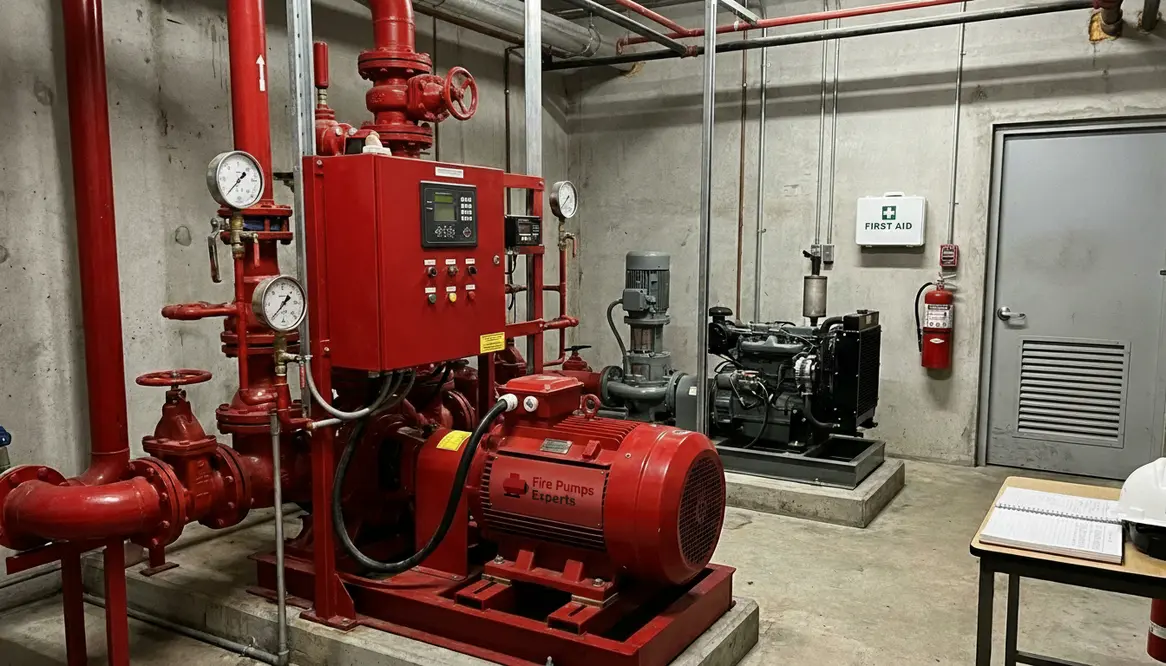
In practice, the pump system must match the approved fire strategy for the property. That means I look at the total water demand, the pressure loss across the pipe network, and the duty of the pumps. Usually, the system includes a duty pump, a standby pump, and a jockey pump. The duty pump handles the main load, the standby pump steps in if the first one fails, and the jockey pump keeps pressure stable so the main pump does not start for every tiny drop. That little pump saves wear and tear, which is good news for budgets and even better news for maintenance teams.
UAE Fire Code hotels: key pump setup rules
For UAE Fire Code hotels, I pay close attention to the pump room, power supply, and access. The pump room must stay protected, ventilated, and easy to reach for maintenance and emergency use. It should also have proper drainage, because a dry pump room is a happy pump room. Water and electrical gear do not make good roommates.
The code generally expects a reliable power arrangement. Therefore, many hotel systems use electric fire pumps with backup from a diesel pump or an emergency power source, depending on the design and authority approval. I also look for automatic start on pressure drop, manual controls, clear alarms, and visible pressure gauges. These features sound basic, yet they often decide whether a system behaves like a hero or like a guest who left the buffet with a full plate and no idea where they are going.
Fire pump requirements for hotel buildings in practical terms
Here is the simple version. The pump must be sized correctly, installed correctly, and tested regularly. If any one of those slips, the system loses trust fast.
In a hotel, I always review the following points:
Design and sizing
The pump must deliver the required flow and pressure for the full fire load. I check the highest and most demanding zone, especially in tall towers.
Installation and location
The pump room must stay accessible, secure, and protected from fire risk, flooding, and damage. A blocked pump room helps no one, least of all the fire team.
Power and backup
The system needs dependable power and a fallback option. If the main supply fails, the backup should take over smoothly.
Testing and inspection
Regular testing confirms pressure, flow, controller response, and pump reliability. Without testing, even a very expensive system becomes a very expensive guess.
Maintenance and documentation
I treat maintenance as the quiet part that keeps the whole orchestra from falling apart. Hotels operate every day, so the pump system must stay ready without disrupting guests. That means scheduled inspections, weekly pump runs, controller checks, valve checks, and flow testing based on the approved maintenance plan. I also want records. Lots of them. Authorities, consultants, and insurers love records almost as much as they love a good signature.
Documentation should show installation approval, test results, repair logs, and any corrective action taken after faults. This helps during audits and also helps the owner spot patterns before they become expensive problems. If a pump loses pressure three times in a month, that is not a mystery. That is a message.
How I approach compliance for hotel fire pump systems
When I assess hotel compliance, I start with the approved drawings, then compare the installed system against the design, and finally verify performance. That order matters. I do not want to admire the hardware first and discover later that the pump cannot meet the demand.
I also cross check the pump room arrangement, controller functions, alarm signaling, and water supply source. In many cases, the water tank capacity must support the pump operation long enough for the fire strategy to work as planned. Moreover, the suction line, valves, and fittings must reduce friction loss and avoid cavitation. A pump that cavitates sounds like it is trying to chew gravel, and that is never a good sign.
If a hotel is part of a larger commercial or mixed use property, I make sure the fire pump design fits the full building risk profile. That matters for major property buildings where fire load, occupancy, and height can change the whole equation. For owners who need expert guidance on commercial fire pump compliance support for major properties, the right review can save time, reduce rework, and keep approval moving in the right direction.
This is also where repeated experience with UAE Fire Code hotels starts to pay off. Recognizing patterns in tank sizing, pump selection, and control logic makes it easier to spot gaps early, before they stall approvals or trigger costly redesigns.
FAQ
Conclusion
If you manage a hotel, I strongly recommend treating fire pump compliance as a core safety task, not a side note. The right system protects guests, staff, and property while keeping approval issues from turning into expensive delays. So, review your design, test your equipment, and keep your records sharp. If you want a clear path through UAE Fire Code hotels requirements, now is the time to act and make sure your fire pump system is ready before anyone needs it.