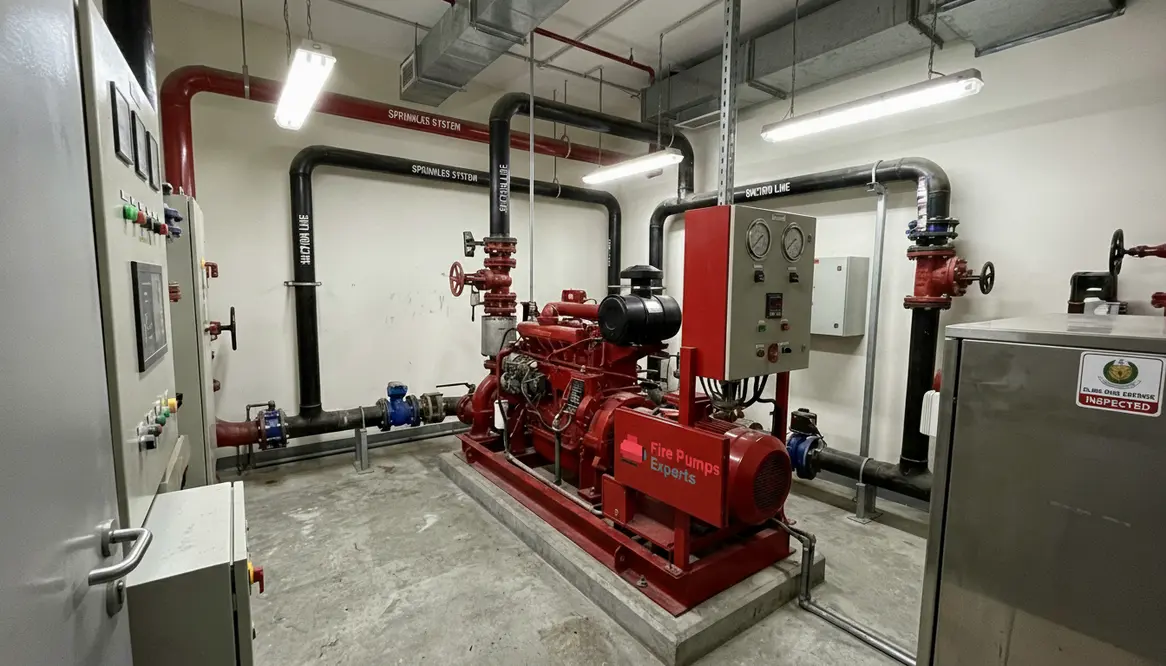
Dubai Civil Defence Fire Pump Compliance Guide
When I talk about fire safety in Dubai, I always start with one simple truth: Dubai Civil Defence compliance is not a box to tick and forget. It is the backbone of safe operation for commercial and industrial facilities, plus major property buildings. And yes, that includes the kind of sites where the equipment rooms get hotter than a summer sidewalk and the paperwork can feel like a sequel nobody asked for. Still, the rules matter, because a fire pump is the heart of the sprinkler system. If it fails, the whole building starts acting like a superhero with no cape.
In this guide, I will walk through the key checks, the common mistakes, and the practical steps I use to keep fire pump systems ready for inspection, approval, and real life. Not the dramatic movie version of real life. The actual one.
What Dubai Civil Defence expects from fire pump systems
Dubai Civil Defence expects a fire pump system to support the building’s fire protection design at all times. That means the pump must deliver the right pressure, the right flow, and the right reliability during an emergency. For commercial and industrial facilities, this is not just about buying the right machine. It is about the full system working as one.
I look at the pump room, suction line, discharge line, valves, control panels, jockey pump, diesel backup if required, and the water supply source. Then I check whether each part matches the approved design. If one part drifts off course, the system can lose compliance fast. In other words, the pump may be fit, but the paperwork and installation can still be auditioning for a bad reality show.
How I check a fire pump room for compliance
I always begin with the pump room itself, because a clean and proper room makes future inspections much easier. The room must stay accessible, dry, and protected from damage. It also needs enough space for maintenance and safe testing. When the room gets cramped, repairs become slow, and slow is not a great word in fire protection.
Here is the short version of what I verify:
Dual column view for quick review
Left column
- Clear access to all pump equipment
- Good lighting and ventilation
- No water leakage or standing water
- Proper labeling on pipes, valves, and switches
Right column
- Fire rated room construction where required
- Working power supply and backup source
- Safe clearance around motors and controls
- Easy access for testing and service teams
After that, I confirm that the installation follows the approved shop drawings and local code requirements. This step sounds boring, I know. Yet boring is exactly what you want from a fire pump room. Excitement belongs in movies, not in compliance failures.
Which documents I keep ready for inspection
Documentation can make or break a fire pump approval. I keep the paperwork organized because inspectors want proof, not promises. A strong file shows that the system was designed, installed, tested, and maintained correctly. It also saves time when the building team needs to respond quickly during a review.
I usually prepare these items:
- Approved drawings and technical submittals
- Equipment data sheets and test certificates
- Installation records and handover documents
- Pump test results and flow test reports
- Maintenance logs and inspection history
Whenever possible, I compare the installed pump model against the approved submittal. That way, I catch mistakes before they become expensive surprises. Because nothing says “fun morning” like finding the wrong pump after the system is already in place.
Why testing and maintenance protect compliance
Fire pumps do not stay compliant by looking impressive in a corner. They need regular testing and maintenance. I treat this as a living process, not a one time task. First, I check weekly or routine conditions, such as pressure, power status, and visible leaks. Then, I plan periodic flow testing to confirm the pump still performs under load.
Testing matters because hidden problems love silence. A pump can appear fine until the day it must perform at full demand. That is why I recommend a clear schedule for inspection, function checks, alarm checks, and record updates. If the building uses a diesel pump, I also pay close attention to fuel quality, battery health, and starting response.
For commercial and industrial facilities, maintenance must match the risk level of the site. A warehouse, tower, or mixed use property may face different pressure needs, so the service plan should reflect the actual building design. One size does not fit all here. Fire safety rarely enjoys shortcuts, and frankly, neither should we.
How I handle common compliance issues
In the field, I keep seeing the same avoidable issues. Some are small. Some are the kind that make an inspector raise an eyebrow in the universal language of concern.
Common fire pump problems
- Wrong pump capacity for the building demand
- Poor pipe support or bad alignment
- Missing labels on valves and controls
- Weak battery backup or fuel issues
- Incomplete testing records
To fix these issues, I start with the approved design and work backward from the failure point. Then I correct the installation, repeat the test, and update the records. If the site needs support, I also use reliable fire pump specialists who focus on commercial and industrial properties. For example, teams like fire pump compliance services for Dubai commercial buildings can help owners stay aligned with inspection demands and system performance goals.
Practical steps to stay ready for Dubai Civil Defence compliance
Routine actions
- Keep the pump room clear, dry, and accessible.
- Update maintenance logs after every inspection.
- Schedule regular performance tests with realistic flow demands.
- Verify that every modification keeps Dubai Civil Defence compliance intact.
Strategic checks
- Review design changes with a fire protection engineer.
- Confirm that spare parts and consumables are available on site.
- Benchmark test results against original commissioning data.
- Use one trusted source of truth for all Dubai Civil Defence compliance records.
FAQ
Conclusion
If you manage a commercial, industrial, or major property building in Dubai, I recommend treating fire pump compliance as a core safety duty, not a side task. Start with the room, verify the design, keep the records sharp, and test the system on schedule. Then review every change before it becomes a problem. If you want a smoother path to Dubai Civil Defence compliance, I suggest getting expert support early. It saves time, reduces stress, and keeps your building ready when it matters most.