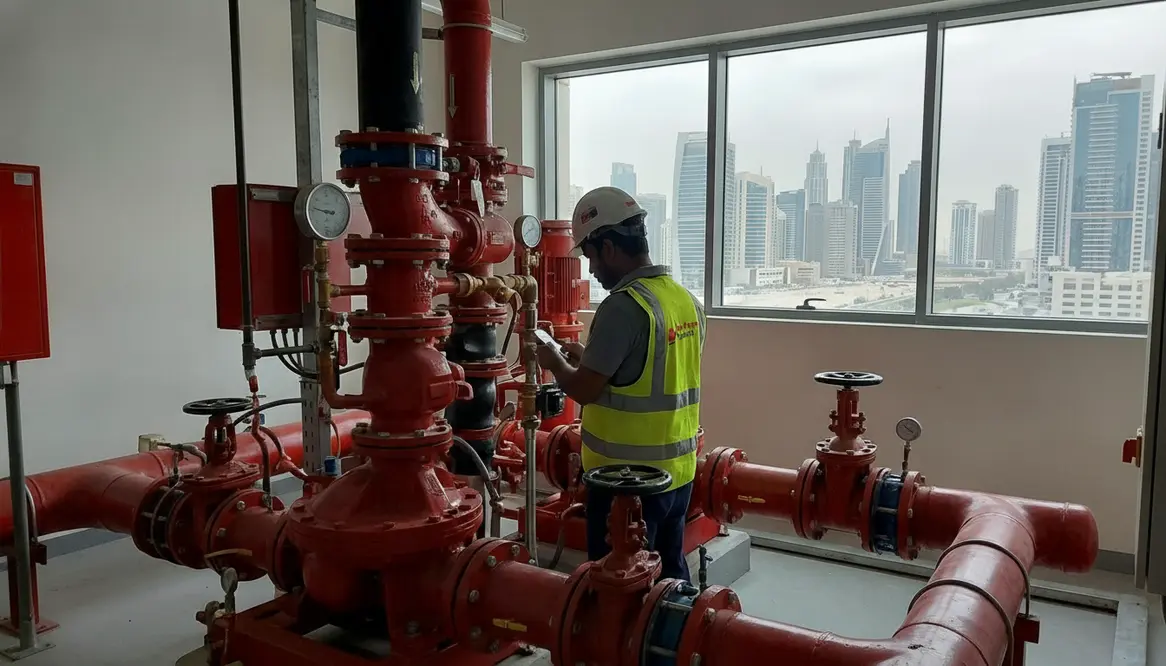
Dubai Fire Pump Testing Inspection Guide for Buildings
Dubai Fire Pump Testing and Inspection Guide
When I talk about Dubai testing for fire pumps, I am talking about the quiet work that keeps commercial towers, industrial sites, and major property buildings ready when trouble shows up uninvited. No drama, no fireworks, just solid protection doing its job behind the scenes. In Dubai, where large facilities run hot, tall, and busy, fire pump testing and inspection is not a nice extra. It is part of staying compliant, safe, and open for business. And yes, it is the kind of task that nobody celebrates until the day it saves the day. Then suddenly, everybody wants to know the name of the engineer who checked it.
In this guide, I will walk through what the process looks like, why it matters, and how I approach it for commercial and industrial properties. I will keep it practical, clear, and free from the usual jargon parade that makes simple things sound like a legal spell.
What fire pump testing means for commercial buildings
Fire pump testing checks whether the pump can deliver the water pressure and flow needed during a fire. I look at the pump as the heart of the fire system. If the heart fails, the whole system starts acting like a backup dancer with stage fright. For high rise towers, warehouses, malls, factories, and other major properties, this testing confirms that the pump can perform under pressure, both literally and legally.
During Dubai testing, I focus on performance, reliability, and readiness. That includes the electric pump, diesel pump, jockey pump, valves, pressure levels, and control panels. I also check whether the system responds the way it should during start up, load conditions, and alarm events. A quick glance is never enough. I need proof, not hope.
How I inspect a fire pump system step by step
I start with a full visual inspection. First, I look for leaks, rust, loose fittings, damaged cables, and signs of wear. Then I inspect the suction and discharge lines, valves, gauges, and pump room conditions. If the room looks like a storage closet for old office chairs, I already know I have a problem.
Next, I test the control panel and confirm that all indicators and alarms work properly. After that, I run the pump and record the pressure readings, flow response, vibration levels, and start up time. I also confirm that the diesel unit starts cleanly and keeps stable performance. Finally, I compare the results with the required standards and site needs.
For Dubai testing, I do not treat the process like a checkbox exercise. I treat it like a performance review for a very important machine. Every reading tells a story, and I want the full story, not just the headline.
What I check during Dubai testing
Here is the short version of what I look at during a proper inspection and test:
- Pump casing and base condition
- Suction and discharge pressure
- Jockey pump operation
- Electric motor start up
- Diesel engine start up and fuel supply
- Valve positions and line condition
- Gauge accuracy and visible damage
- Controller alarms and fault signals
That list may look simple, but every item matters. One weak valve or one lazy gauge can turn a solid system into a very expensive guessing game. And in fire safety, guessing is not a business strategy.
Why testing matters for compliance and risk control
In Dubai, major buildings and industrial properties must keep fire protection systems in good working order. Regular testing helps meet local safety rules and supports insurance needs as well. More importantly, it lowers risk for people, property, and operations.
I have seen how a missed fault can grow into a major issue. A pump may run fine on paper, yet fail under real demand. That is why routine Dubai testing gives owners and managers peace of mind. It also helps avoid surprise repairs, shutdowns, and the kind of emergency calls nobody wants after lunch on a busy workday.
Also, when I inspect a fire pump system, I often find small issues before they become big ones. A weak battery, low fuel, worn seal, or sticky valve can be fixed early. That saves money and keeps the site ready. Small problem, small bill. Big problem, big headache. The math is rude, but honest.
How often I recommend testing and inspection
The right schedule depends on the system, the building type, and the site risk level. Still, I recommend regular checks, monthly functional tests, and full inspections at planned intervals. For commercial and industrial properties, consistency matters far more than heroics. A fire pump does not care about excuses. It only cares whether it starts when needed.
I also advise keeping clear records for every test. Reports should note readings, faults, repairs, and follow up actions. Good records help track trends and prove compliance. They also make future service easier, because no one enjoys reopening the same mystery like it is a bad sequel.
Frequently asked questions about Dubai fire pump testing
Conclusion
If you manage a commercial or industrial property, I would not wait for a fire alarm to reveal a weak pump. I recommend regular Dubai testing, careful inspection, and clear reporting to keep your system ready and your site protected. If you want dependable fire pump support for major buildings, you can work with a specialist team that understands local standards and real site conditions. The best fire emergency is the one that never gets a chance to become a story.