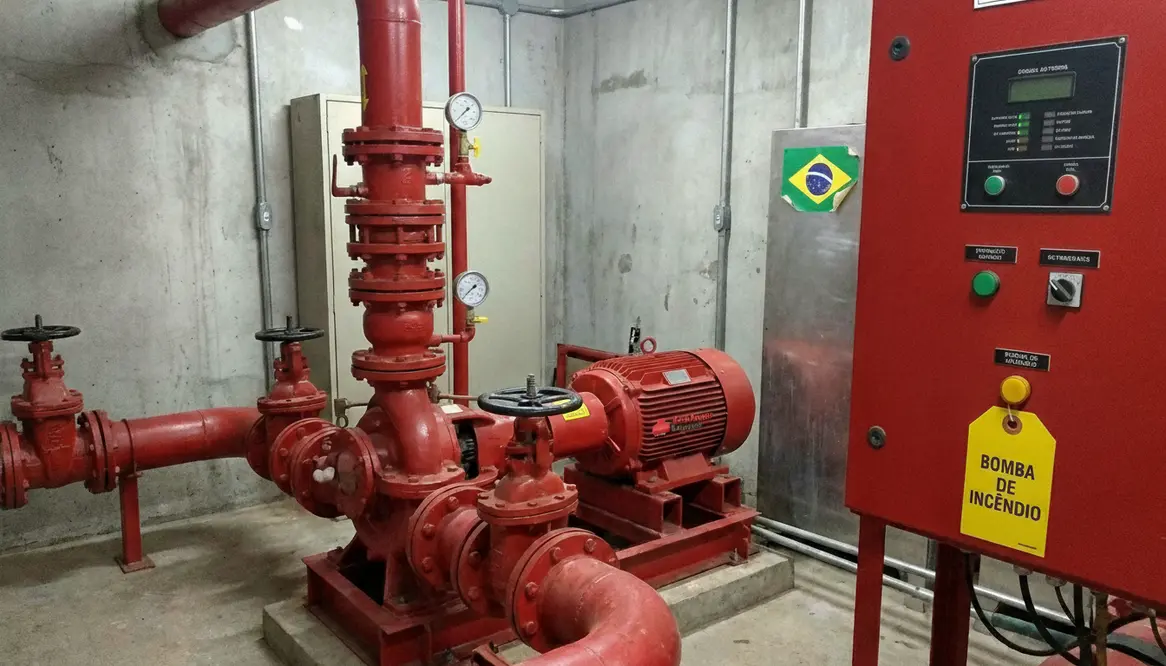
Brazil Fire Pump Requirements for Buildings
Brazil Fire Pump Requirements Explained
When I look at Brazil requirements for fire pumps, I see more than a technical rulebook. I see a system built to protect commercial and industrial facilities, major property buildings, and the people inside them. These rules shape how a fire pump must perform, how it gets installed, and how it stays ready when trouble starts. In other words, this is not the kind of topic you skim while sipping coffee and pretending all alarms are equal. I focus here on the practical side, because that is where the real value lives.
Brazil treats fire pump design as a serious life safety matter. Therefore, owners and managers of large buildings must understand the basic requirements before they buy, install, or inspect a system. That includes water supply, pump capacity, backup power, testing, and the way the pump supports the full fire protection setup. Now, let us get into the details without making it feel like reading a legal wall.
What Brazil fire pump rules mean for commercial buildings
In Brazil, fire pump requirements support reliable water delivery for sprinklers, standpipes, and hydrants in large buildings. I always think of the pump as the quiet hero of the system. It sits there until the day it gets its Marvel moment. For commercial and industrial sites, the pump must match the building risk, the fire demand, and the system layout.
Usually, the design starts with a pressure and flow study. That study tells me whether the pump can move enough water at the right pressure during a fire event. However, the pump alone does not solve everything. The whole water supply chain matters, from the tank or water source to the piping and control system. If one part fails, the rest can struggle fast.
Brazil requirements also expect the pump room to stay safe, accessible, and protected. So, I look for proper ventilation, drainage, lighting, and room size. A cramped pump room is like trying to film an action movie in a broom closet. It just does not work.
How I check fire pump sizing and performance
I always start with system demand. First, I review the maximum flow needed for the building. Then, I check the pressure at the most remote point in the fire system. After that, I compare those numbers with the pump curve. This helps me confirm that the pump can deliver steady performance under fire conditions.
In many Brazilian projects, the pump must support both normal and emergency loads. Therefore, I do not treat the pump as a one-size-fits-all item. A warehouse, a high rise, and a factory floor all need different planning. For major properties, this step matters even more because the fire risk and water demand often run higher.
Commercial fire pump sizing checklist
Left
- Required flow rate
- Target discharge pressure
- Water source capacity
- System elevation changes
Right
- Pump curve match
- Power supply support
- Start and control method
- Test and maintenance access
Backup power and control systems Brazil expects
Because power loss can happen during a fire, Brazil fire pump rules often require reliable backup power. That means the pump must keep working when the main supply goes down. For this reason, I pay close attention to electric pumps, diesel pumps, and controller design.
Electric pumps usually depend on a stable source and proper panel control. Diesel pumps bring their own fuel system, which adds another layer of readiness. Either way, the controls must allow automatic starting and easy monitoring. If a system cannot start itself when needed, then it is not doing its job. Honestly, that would be like Batman showing up without the Batmobile.
I also check alarms, pressure switches, and test features. These parts help confirm that the pump responds when water pressure drops. In practice, the controls should support regular testing without disrupting building operations too much. Since many sites run around the clock, smooth testing matters.
Inspection and testing steps I recommend
Regular inspection keeps the pump ready and helps owners meet Brazil requirements over time. I do not treat testing as a box to tick and forget. I treat it as proof that the system still works under real conditions.
I usually recommend these steps:
- Check visible pump condition and room safety
- Test automatic start response
- Verify pressure and flow readings
- Inspect valves, gauges, and controllers
- Review fuel levels for diesel units
- Record all results for compliance history
These checks matter because wear builds up slowly. A valve can drift. A controller can fail. A water source can fall short. Therefore, regular testing gives owners a clear picture before an emergency turns the whole day into a bad plot twist.
Common mistakes I see in Brazil fire pump projects
One common mistake is under sizing the pump. Another is ignoring the water source. I also see poor room layout, weak maintenance plans, and weak backup power planning. These issues can create compliance trouble and serious fire risk.
Sometimes teams focus too much on the pump brand and not enough on the full system. That is a mistake. The pump must fit the building, the hazard level, and the fire protection design. In addition, the install team should know local Brazil requirements and apply them with care. Good fire protection comes from the whole setup, not just one shiny machine with a strong nameplate.
For deeper support, I suggest reviewing commercial fire pump guidance for Brazil projects when planning systems for industrial sites and major buildings. That kind of reference helps keep the project aligned with real building needs and proper safety goals.
Key questions on Brazil fire pump setups
Owners, managers, and engineers often have similar questions when they first work through Brazil requirements for fire pumps. These points come up most when planning major commercial or industrial projects.
Conclusion
If I want a fire pump system to do its job in Brazil, I start with proper design, then I follow through with testing, backup planning, and steady maintenance. For commercial and industrial buildings, that discipline protects people, property, and operations. So, if you manage a major property or project, now is the time to review your setup, close the gaps, and keep your system ready before the alarm ever sounds. Treating the pump, power system, and water supply as one integrated package is the most reliable way to stay aligned with Brazil requirements and avoid surprises when the sprinklers need that “quiet hero” to perform.