Mexico Fire Pump Room Requirements and Compliance
Mexico fire pump room expectations at a glance
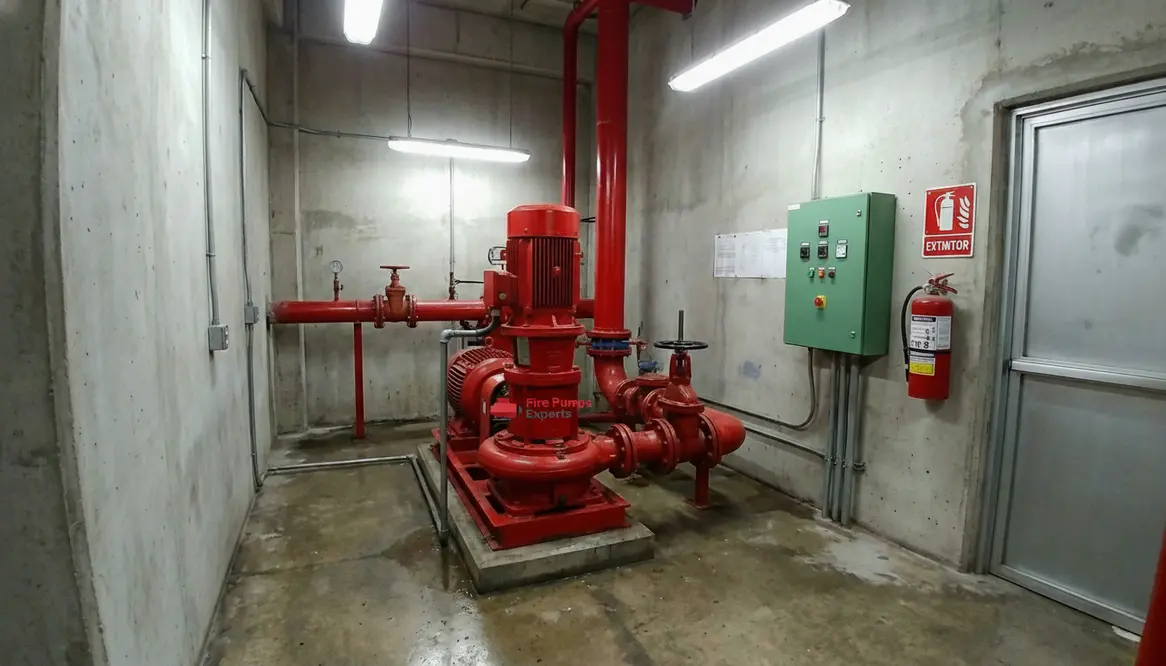
If you manage a commercial tower, industrial plant, or other major property in the Mexico room, you already know one thing: fire protection is not the place to improvise. I have seen plenty of building teams treat a fire pump room like a closet with a serious job. That is a fast way to invite trouble. In Mexico, the fire pump room must support reliable water supply, safe access, proper ventilation, and code compliant equipment placement. When I look at these rooms, I focus on one goal: make sure the system works when the building needs it most, not when everyone is standing around hoping for the best.
Why the Mexico room layout sets the tone
I always start with the basics, because the basics carry the whole system. A fire pump room in a commercial or industrial building needs enough space for the pump, driver, controllers, valves, and maintenance access. It also needs a clean, dry, protected layout. If the room feels cramped, the system suffers. If the room gets hot, wet, or hard to reach, the risk climbs fast.
What I check first in a Mexico room fire pump room
Here is what I look for first:
Space and access
- Clear working room around the pump and controller
- Easy entry for maintenance staff and emergency crews
- No storage of boxes, tools, or random “temporary” items that somehow stay forever
Room conditions
- Dry floor and controlled drainage
- Ventilation to limit heat buildup
- Lighting that supports inspection and repair work
In short, the room must let the system breathe and let people work. Otherwise, the pump room becomes a drama stage, and nobody wants that sequel.
How I map Mexico fire pump room code needs
Next, I check the code side of the job. In Mexico, the exact fire pump room rules can depend on the project type, local rules, and the authority having jurisdiction. However, the core expectations stay steady. The room must protect the pump from fire exposure, support dependable operation, and keep critical parts easy to inspect.
I also review whether the building follows the right fire protection standard set, such as NFPA based design where applicable, plus local Mexican requirements for industrial and commercial facilities. That matters because a plant in Monterrey does not get a pass just because the paperwork looks tidy. The system must perform in the real world, not just in a binder on a shelf.
I pay close attention to these points:
- The pump room location should reduce exposure to fire and physical damage
- Electrical supply and controls should stay protected and reliable
- Drainage should prevent flooding or standing water
- Temperature and ventilation should support the driver and control equipment
- Signage and access should help responders find the room fast
When these details line up, the room supports the whole fire protection system. When they do not, the pump may as well be auditioning for a role it cannot play.
Why I care about layout, power, and water supply
The fire pump room does not work alone. It connects to the water source, the controller, the power supply, and the rest of the fire protection system. So, I always study how the room fits into the full building plan.
The water source must support the fire pump demand without weak spots. The power supply must stay stable, especially in large industrial sites where electrical loads change often. If the pump uses a diesel driver, I also check fuel supply, exhaust routing, and ventilation. Each piece matters because a fire pump only helps if it starts quickly and runs without drama. And yes, fire protection is one of the few places where “let’s wait and see” is not a strategy.
I also look at how the room connects to the rest of the property. For major buildings, the pump room should sit where fire crews can reach it without a maze of blocked corridors, locked barriers, or half finished renovation work. In commercial and industrial spaces, simple access can save precious time.
What I recommend for inspection and upkeep
Once the room meets the design needs, I shift to upkeep. A compliant room today can turn into a problem next month if nobody watches it. That is why I recommend a steady inspection plan for commercial and industrial facilities.
The routine should include:
- Monthly visual checks for leaks, damage, heat, and clutter
- Regular testing of the pump and controller
- Review of valves, gauges, and alarms
- Checks on ventilation openings, drains, and lighting
- Documentation of all service work and test results
Also, I suggest training staff who manage the property. A smart team catches small issues before they grow teeth. If a gauge looks wrong, if a door stays blocked, or if a room starts collecting dust like a forgotten movie set, I want that reported fast.
Frequently asked questions on Mexico fire pump rooms
These are the questions I hear most often when teams start cleaning up a Mexico room fire pump layout and chasing real compliance.
Conclusion
If you want your Mexico room fire pump room to do its job without fuss, I recommend treating it like the critical life safety space it is. Check the layout, review the code needs, protect the power and water supply, and keep up with inspections. If your commercial or industrial property needs a clear path to compliance, now is the time to act. I can help you move from guesswork to a room that stands ready when it counts.