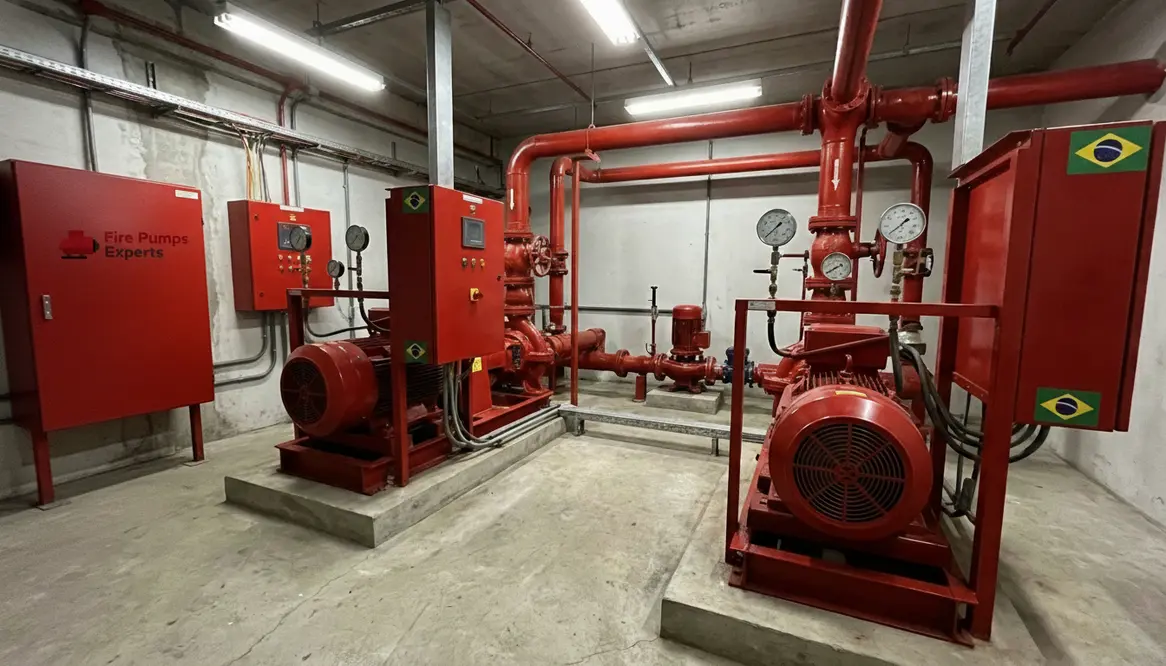
Brazil Fire Pump Room Requirements and Compliance
Brazil Fire Pump Room Requirements Overview
When I look at a Brazil room for fire protection, I do not see just a box with pipes and a loud pump. I see the quiet backbone of a building’s safety plan. In large commercial and industrial facilities, that room carries real weight, because when a fire starts, water pressure must show up faster than excuses. And yes, the equipment may sit there looking calm, but it has one job and one job only: work when the heat rises.
For major properties, the rules around a fire pump room in Brazil focus on reliability, access, safety, and code compliance. So, if you manage a warehouse, plant, high rise, or other large facility, this topic matters more than most people admit at first glance.
What a Brazil fire pump room must do
I always start with the purpose. A fire pump room must keep the fire pump set ready to deliver the needed water flow and pressure when the sprinkler or standpipe system demands it. In large buildings, the city water supply may not be enough on its own. Therefore, the pump room acts as the pressure booster that keeps the system alive under stress.
In practice, that means the room must support the pump, controller, jockey pump, valves, gauges, and power supply. It also must allow safe inspection and maintenance. If I cannot reach the equipment without turning the room into a game of fire safety Twister, then the layout needs work.
How I check room design and access
The room itself must stay clear, secure, and easy to reach. It should sit in a protected area of the building, and it must not double as storage, which is a surprisingly common habit in the wild. I have seen fire pump rooms slowly become “temporary” dumping grounds for cartons, tools, and mystery items from the back office. That is not charming. It is a problem.
Good design starts with enough working space around the equipment. I also look for proper ventilation, drainage, lighting, and protection from flooding or extreme heat. Since the pump room supports a critical life safety system, it should stay accessible for crews, inspectors, and emergency responders at all times. If the room feels like a secret level in a video game, then access is probably too tight.
Brazil room compliance basics for large properties
Now let me get to the parts that matter most for compliance. For commercial and industrial buildings, I focus on a few core items:
- Proper pump sizing for the building demand
- Reliable power source with code compliant backup where required
- Separation from hazards that could damage the pump set
- Clear signage and room identification
- Safe pipe routing, valve access, and controller placement
- Routine testing and documented inspection records
These points may sound simple, but they carry real weight. A pump that is too small will not protect the property well. A room with weak power support may fail at the worst time. And a missing inspection log can turn a manageable issue into a costly headache, which is nobody’s favorite plot twist.
Codes, standards, and the bigger fire protection picture
In Brazil, fire pump room requirements often connect to local fire authority rules, project specs, and recognized fire protection standards. For major properties, I always advise checking the latest local code set before design or retrofit work begins. That matters because rule details can shift by city, state, occupancy type, and building use.
I also look at how the pump room fits into the full fire protection system. The room must support the sprinkler network, standpipe system, and any special suppression needs tied to the facility. In other words, it cannot work as a lone hero. It has to play in the whole team, like the practical sidekick in a well written action movie.
For many owners and designers, working with a qualified fire protection engineer or specialist helps interpret code requirements and align the Brazil room layout with the building’s risk profile, water supply limits, and operational needs.
Dual column view: key room needs and why they matter
Room need
Clear access
Ventilation
Drainage
Power reliability
Signage
Routine testing
Why it matters
Prevents delays during inspection, service, and emergencies
Helps protect the pump equipment from heat buildup
Reduces flood risk and equipment damage
Keeps the pump ready when the system demands water
Makes the room easy to identify for staff and responders
Confirms the system works before a real fire proves the point
Why testing and maintenance matter every month
I do not treat testing as a box checking exercise. I treat it like the heartbeat of the whole setup. A fire pump room must stay ready, and that means regular inspection, weekly or monthly checks as required, and full performance testing on schedule. During testing, I want to confirm pressure, operation, control response, and any sign of wear.
Maintenance also helps me catch issues early. A small leak today can become a major failure later. A weak battery, worn seal, or dirty room can sabotage the system long before a fire ever arrives. So, even though maintenance may feel a little boring, it beats the alternative. Fire has a nasty sense of timing.
For many facilities, that means pairing in-house visual checks with contracted annual testing and periodic deep reviews of the full Brazil room layout, including valves, controllers, and the power supply path from source to pump.
Who needs to care about Brazil room requirements
Commercial, industrial, and major property owners who rely on fire pumps for life safety and system performance cannot treat the pump room as an afterthought. Insurers, local fire authorities, and risk managers all look closely at how well that space is designed, maintained, and documented.
If tenants, visitors, or production lines depend on the building staying operational, then the Brazil room directly supports business continuity. That is especially true for high-rack warehouses, data centers, chemical plants, and any occupancy where a single fire event can trigger outsized damage.
Practical steps to tighten your fire pump room setup
If you walk into the fire pump space and it looks more like a storage closet than a Brazil room, it is time for a reset. Clear the clutter, confirm access, and then work through a simple review checklist with your fire protection team:
- Verify that the room is dedicated to fire protection equipment and not used for storage
- Confirm that ventilation, lighting, and drainage match local code requirements
- Check that all valves, gauges, and controllers are accessible without awkward reach or obstacles
- Review power supply paths, including backup arrangements and transfer equipment where required
- Inspect signage, room identification, and instructions for emergency responders
- Pull testing and maintenance records to see if there are gaps in weekly, monthly, or annual checks
Where you find gaps, document them, prioritize corrections, and set target dates. That habit keeps the Brazil room from quietly drifting out of compliance over the years.
FAQ
Conclusion: keep your Brazil fire pump room ready for the moment that matters
Need help with Brazil fire pump room requirements? I recommend reviewing your current layout, testing records, and equipment setup before a small issue turns into a big one. If you manage a commercial or industrial property, now is the right time to confirm compliance and protect your investment.
Reach out to a qualified fire protection team, tighten the weak spots, and keep your building ready for the moment that matters most. Pair that with guidance from resources such as https://firepumps.org and your local fire authority, and your pump room will be positioned to support both safety and long-term reliability.
The equipment may sit in the dark most days, but when the alarm sounds, every design decision you made in that room suddenly matters. Treat the fire pump room as critical infrastructure, and it will be ready to carry the building through its worst day.