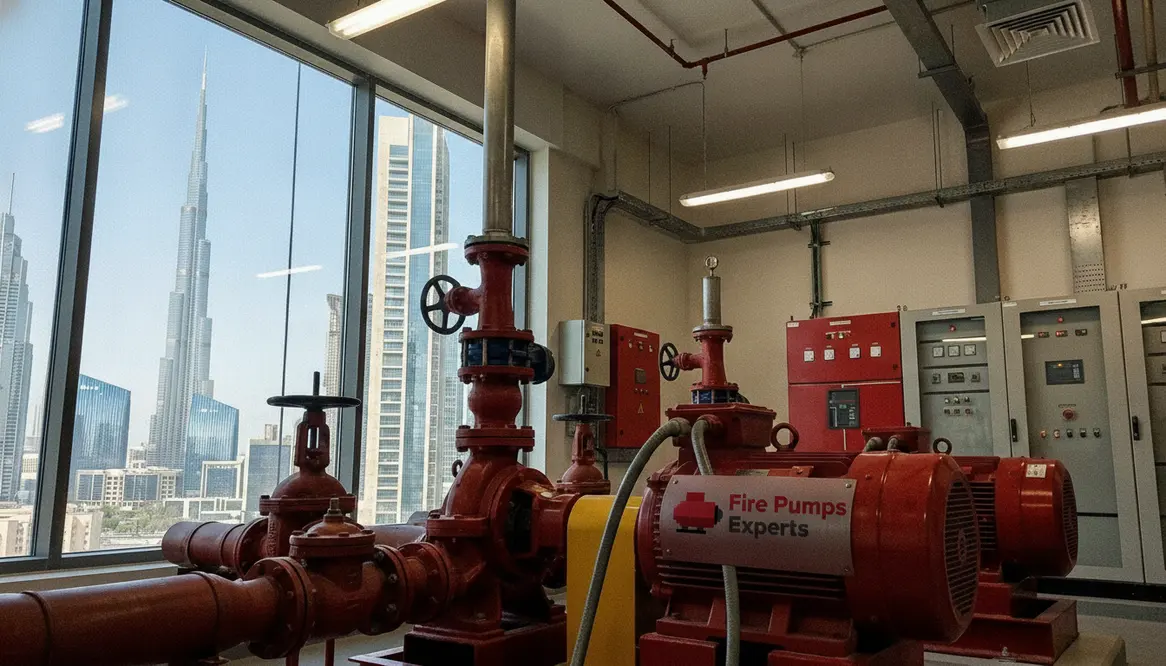
Dubai Fire Pump Requirements for High Rise Towers
I have seen enough tall buildings to know this much: a Dubai high rise does not forgive weak fire protection. One bad pump choice, one poor layout, one sloppy test, and the whole safety plan starts looking like a Hollywood plot with a terrible ending. In a city where towers climb fast and people live, work, and move in large numbers, fire pumps sit at the heart of the protection system. They keep water moving when pressure drops, and they help sprinkler and standpipe systems do their job when it matters most.
In Dubai, fire pump design for major buildings must follow local civil defense rules, building codes, and the real demands of height. I focus here on what matters for commercial towers, industrial sites, and major property buildings, because that is where these systems earn their keep.
What I check first in a Dubai high rise fire pump plan
I always start with the basics. The building height, occupancy load, fire risk level, and water supply source decide the pump size and type. A tower with offices, retail space, parking, and plant rooms needs more than a simple setup. It needs a system that can hold pressure from the ground floor to the top level without acting like it forgot its job halfway up.
For a Dubai high rise, I look for these core points:
- Duty and standby pumps so the system keeps working if one unit fails
- A jockey pump to maintain pressure and stop the main pumps from cycling too often
- Proper water storage with enough supply for the required fire duration
- Strong power backup through generator support or another approved source
- Clear access for testing and maintenance because a hidden pump room is a bad joke nobody enjoys
In simple terms, I want the system to work under stress, not just on paper. That is where many projects drift off course. The drawings look clean, the forms look perfect, and then the real world walks in like a surprise guest on game night.
Which pump type works best for towers?
The answer depends on the building, but I usually see three main pump roles. The main fire pump carries the load during a fire event. The jockey pump keeps line pressure stable. The standby pump steps in if the main unit fails or needs support. In many large towers, electric pumps handle normal fire duties, while diesel pumps offer backup when power is lost.
For tall buildings, I also pay close attention to pressure zones. Water at the lower floors can become too strong if the system is not divided well. Meanwhile, upper floors can suffer from weak flow if the pump selection is too small. So, I match the pump curve to the building’s real demand, not just to a nice round number someone guessed during a coffee break.
Two-column checklist for tower pump selection
Left column
- Pump capacity
- Pressure head
- Power source
- Redundancy
Right column
- Building height
- Zone pressure needs
- Backup reliability
- Maintenance access
This kind of review helps me avoid under sizing, which is the fire protection version of bringing a butter knife to a sword fight.
How I handle Dubai code compliance for major buildings
Compliance is not the boring part. It is the part that saves the project from expensive delays. Dubai Civil Defense approval usually expects the fire pump system to align with local fire and life safety rules, plus recognized international standards when applicable. I make sure the layout, tank size, pump room design, and controls all support that approval path.
Key checks for major property buildings
- Pump room separation to protect the equipment from heat, flood risk, and access problems
- Ventilation and drainage so the room stays safe and usable
- Control panel placement for clear operation and fast fault detection
- Suction and discharge piping sized to avoid pressure loss and cavitation
- Alarm and monitoring links tied into the building fire system
Because the rules can change with project type and authority guidance, I always recommend checking the latest compliance requirements before installation. If a project needs a broader technical guide, I point teams toward a Dubai fire pump compliance resource for commercial towers on https://firepumps.org so they can align design, submission, and installation from the start.
Why testing and maintenance matter more than most people think
A fire pump system is only as good as its last test. I have seen systems that looked impressive on opening day and then slowly turned into silent furniture. That is not a strategy. Regular testing confirms that the pump starts fast, holds pressure, and delivers the required flow when demand rises.
Planned checks that keep a Dubai high rise ready
- Weekly no flow starts to confirm readiness
- Monthly diesel engine checks if the building uses diesel backup
- Full flow testing at set intervals to verify performance
- Valve inspection so nothing stays stuck or half closed
- Electrical and fuel system review because backups fail in the most dramatic ways when ignored
Maintenance also helps detect wear early. Bearings age, seals fail, controllers drift, and small leaks turn into big problems if no one watches them. I treat testing like a fitness routine for the system. Skipping it may feel fine today, but the consequences show up at the worst possible time.
How I choose the right setup for a Dubai high rise
I choose the setup by balancing safety, code, and building function. First, I review the water demand for the tallest occupied point and the most demanding fire scenario. Then, I check whether the tower needs zoned pumping, pressure reducing devices, or multiple pump sets. After that, I confirm that the power source can support the system during normal use and during outage conditions.
For commercial towers and industrial properties, I also keep future changes in mind. Tenants change. Fit outs change. Load patterns change. Therefore, I prefer a system that can handle growth without becoming a headache six months later. That is the real adult lesson in fire protection: plan for the building you have, and the building it will become. When that building is a Dubai high rise with complex uses stacked in the sky, that lesson becomes non‑negotiable.
FAQ
Get your tower ready now
If you manage a commercial tower or major property, I suggest reviewing your fire pump setup before a problem finds it for you. A proper design, clean compliance path, and regular testing protect people, assets, and uptime. So, if your building needs a serious fire pump review, now is the time to act. Reach out, assess the system, and make sure your tower stands ready long before anyone needs it. Whether it is a modest mid‑rise or a Dubai high rise pushing the skyline higher, the fire pump room should never be the weak link in the story.