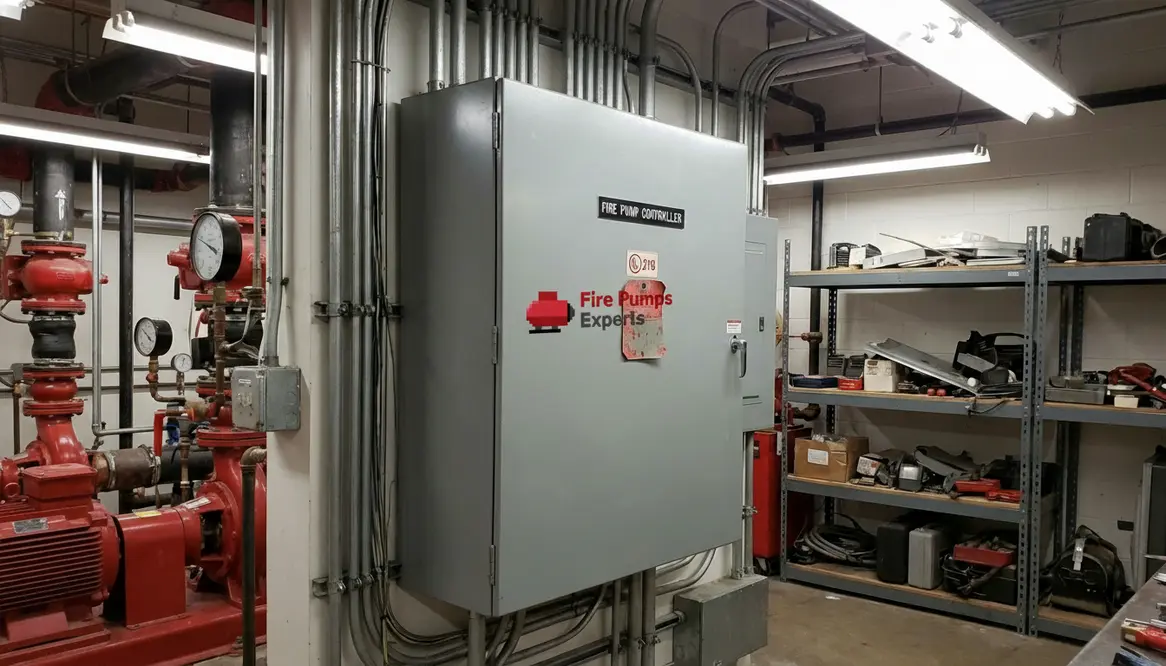
UL 218 Fire Pump Controller Compliance Washington DC
How serious facilities in Washington, DC turn a quiet piece of equipment into a dependable line of defense.
I have spent enough time around fire protection systems to know that the quiet equipment in a mechanical room often carries the biggest responsibility. The fire pump controller is one of those unsung heroes. It sits patiently until the worst day arrives, then it makes sure the pump wakes up instantly and does its job.
In Washington, DC, that responsibility carries a little extra weight. Local enforcement, federal buildings, and strict safety oversight mean there is no room for shortcuts. When I talk about ul 218 fire pump controller procurement compliance washington dc, I am really talking about protecting hospitals, high rise offices, data centers, and industrial facilities where thousands of people and millions of dollars in assets rely on flawless fire protection.
Therefore, if you are responsible for purchasing or specifying a fire pump controller, you are not just checking a box. You are making a decision that must satisfy inspectors, engineers, insurance carriers, and facility managers. And trust me, those groups rarely agree on lunch, let alone fire protection details. So let us walk through how to get procurement and compliance right.
Done correctly, ul 218 fire pump controller procurement compliance washington dc becomes less about paperwork and more about confidence that the system will perform under the worst circumstances imaginable.
What UL 218 Fire Pump Controllers Actually Do in Major Facilities
Before getting deep into procurement, I like to step back and remind people what a fire pump controller really does. After all, it is easy to treat it like just another electrical cabinet on the wall.
A UL 218 listed fire pump controller acts as the command center for the pump. When system pressure drops during a fire event, the controller automatically starts the pump and keeps it running until the emergency ends.
That sounds simple. However, the design behind it is anything but simple.
UL 218 listing means the controller has been tested under extreme conditions. It must operate during power fluctuations, voltage drops, and harsh environments. In other words, it is built to perform when everything else might be falling apart.
In large commercial and industrial buildings across Washington, DC, this reliability becomes critical because:
- High rise buildings depend on consistent pressure across many floors.
- Hospitals and medical centers require uninterrupted fire protection even during electrical disturbances.
- Data centers cannot tolerate downtime caused by fire damage.
- Government facilities face strict federal and municipal inspection standards.
Therefore, when I specify a controller, I treat UL 218 like the gold standard. It is not optional. It is the baseline for trust.
UL 218 Fire Pump Controller Procurement Compliance Washington DC
Procurement in Washington, DC follows a unique path compared to many other cities. The city sits at the intersection of municipal regulation, federal oversight, and strict building code enforcement. Consequently, the purchasing process must satisfy multiple stakeholders.
When I approach ul 218 fire pump controller procurement compliance washington dc, I focus on three main pillars.
Regulatory alignment
First, the equipment must align with NFPA 20 standards for fire pump installations. However, DC Fire and EMS inspectors also expect proper documentation that confirms UL 218 listing and installation compliance.
Engineering compatibility
Next, the controller must match the specific pump type and electrical infrastructure in the facility. Electric motor driven pumps, diesel systems, and variable frequency configurations all demand different controller setups.
Documentation and traceability
Finally, inspectors want to see clear documentation. Submittals, wiring diagrams, testing records, and commissioning reports must all align. Think of it like assembling a puzzle where every piece must fit perfectly.
Skip any one of these steps and you may find yourself explaining things to an inspector who has absolutely no interest in excuses.
If I Were Searching “How Do I Buy a UL 218 Fire Pump Controller in DC?”
Let me answer that question directly because many engineers and facility managers now phrase searches exactly like that.
First, I start with the building type. Commercial towers, industrial plants, and institutional campuses each have different operational needs. Therefore, I evaluate the pump horsepower, starting method, and power supply before selecting a controller.
Next, I verify that the manufacturer clearly lists UL 218 certification. This sounds obvious, yet I have seen procurement teams rely on marketing language instead of actual listings. A fancy brochure means nothing to an inspector.
After that, I look at service support. Controllers require testing, maintenance, and sometimes upgrades. Consequently, I prefer vendors with strong service networks in the DC region.
Finally, I confirm compatibility with monitoring systems. Many large facilities connect fire pump controllers to building management systems for alerts and diagnostics. Because of that, modern controllers must communicate clearly with facility infrastructure.
In short, I buy reliability first and convenience second, especially when ul 218 fire pump controller procurement compliance washington dc is on the line.
Procurement Pitfalls I See Too Often in Large Properties
Now let me share a few mistakes that show up again and again during large building projects. These issues slow down inspections and occasionally delay occupancy approvals.
- First comes the classic problem of late specification changes. An engineer might design around one controller type, yet procurement later swaps it for a cheaper model. Suddenly the electrical configuration no longer matches the pump requirements. Inspectors notice immediately.
- Second, some buyers underestimate documentation. I once saw a commissioning meeting turn into a three hour detective story because no one could locate the factory test report. It felt less like a fire protection review and more like an episode of CSI Mechanical Room.
- Third, facility teams sometimes overlook environmental conditions. Mechanical rooms in older DC buildings can be humid, dusty, or hot. Therefore, controller enclosures must match those conditions to avoid future failures.
- Finally, coordination between contractors often breaks down. Electrical teams, pump installers, and fire protection engineers must work together. Otherwise, wiring mismatches or control signal issues appear during final testing.
And let me tell you something about final testing. It happens when everyone wants to go home. So discovering problems at that moment tends to produce some very colorful language.
Key Compliance Factors for Commercial and Industrial Facilities
When I evaluate compliance for large facilities, I rely on several practical checkpoints. These steps help ensure the system will pass inspection and perform reliably for decades.
Equipment Verification
- Confirm UL 218 listing documentation
- Verify voltage and horsepower ratings
- Ensure proper controller type for the pump
Installation Alignment
- Follow NFPA 20 wiring requirements
- Confirm dedicated power supply routing
- Verify pressure sensing connections
Operational Testing
- Perform factory acceptance documentation review
- Conduct site acceptance testing
- Confirm automatic and manual start functions
Inspection Readiness
- Prepare commissioning reports
- Maintain maintenance documentation
- Coordinate with DC fire inspection schedules
When all these pieces align, inspections become straightforward. Inspectors appreciate organized documentation almost as much as coffee on a cold morning.
Why Washington DC Inspections Demand Precision
Washington, DC holds a unique position because it contains dense commercial districts, federal agencies, and historic infrastructure. Consequently, fire protection standards receive close attention.
Inspectors often review controller installations with particular focus on electrical reliability and system redundancy. This attention ensures pumps activate immediately during emergencies.
Moreover, large commercial properties frequently undergo insurance audits. Insurers want proof that fire protection equipment meets national safety listings. UL 218 certification helps satisfy those requirements.
Therefore, investing time in proper specification and procurement pays off later. Smooth inspections mean fewer operational disruptions and faster project completion.
And if you manage a large facility, avoiding inspection delays feels almost as satisfying as finding an empty parking spot in downtown DC. Getting ul 218 fire pump controller procurement compliance washington dc right is one of the best ways to avoid those delays.
FAQ: UL 218 Fire Pump Controllers in Washington DC
Below are some of the most common questions I hear when teams start working through ul 218 fire pump controller procurement compliance washington dc for complex properties.
Final Thoughts for Facility Leaders
If you oversee a commercial tower, industrial facility, or major property in Washington, DC, the fire pump controller deserves careful attention. The right equipment, documentation, and installation process protect both your building and its occupants.
Strong coordination around ul 218 fire pump controller procurement compliance washington dc turns a single control cabinet into a proven safeguard that satisfies inspectors, reassures insurers, and gives your operations team one less thing to worry about during an emergency.
If you are looking for a partner that understands how fire pumps, controllers, testing, and documentation all fit together, a specialized provider like Kord Fire’s fire pump service team can help you connect equipment choices with long-term inspection readiness.
At firepumps.org, we help facilities navigate specifications, procurement, and inspections with confidence. Reach out to our team and let us help ensure your fire pump system stands ready long before an emergency ever arrives.