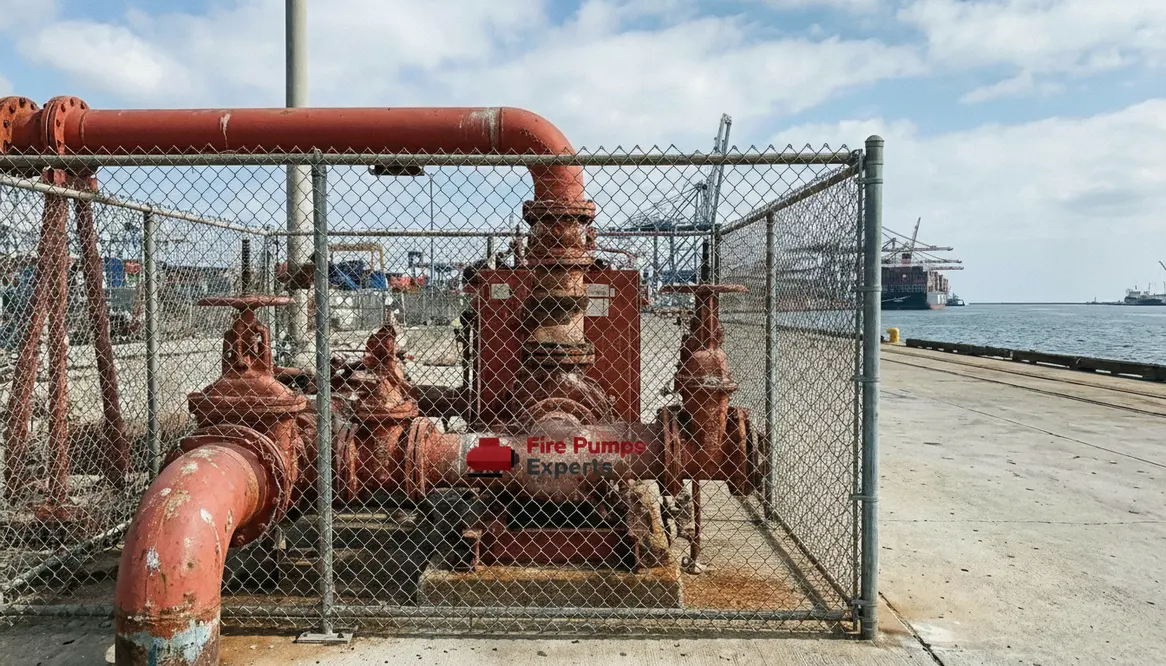
Waterfront Fire Pump Systems Long Beach Guide
A focused, practical look at how waterfront fire pump systems Long Beach can quietly protect your property when the heat is on.
I have spent years around coastal infrastructure, and if there is one thing I have learned, it is this: water can be both your greatest ally and your most stubborn opponent. In Long Beach, where the ocean sits like a calm giant beside commercial and industrial properties, fire protection takes on a different rhythm. That is where waterfront fire pump systems Long Beach come into play. They are not just equipment. They are the quiet guardians that wait patiently, ready to move massive volumes of water when seconds matter most.
And yes, they are a bit like the unsung heroes in a blockbuster movie. No spotlight. No dramatic music. Just performance when it counts.
Why waterfront fire protection is different
Along the Long Beach waterfront, the mix of salt air, tidal shifts, and dense industrial operations means your fire pump is doing more than satisfying a code checklist. It is standing between your facility and a shutdown that could ripple across tenants, supply chains, and revenue.
Design, materials, and maintenance all have to respect that environment, or the system will age faster than you expect and fail earlier than you can afford.
What fire pump types are best for waterfront properties in Long Beach?
Let me answer this straight away. The best fire pump depends on your building size, water source, and risk level. However, in waterfront environments, I consistently see a few types rise above the rest.
Horizontal split case pumps
Horizontal split case pumps lead the pack. They deliver high flow rates and maintain efficiency under heavy demand. Because of their durability, they handle salt air better than more delicate systems, which is critical for waterfront fire pump systems Long Beach that need to run hard when called on.
End suction pumps
End suction pumps also have their place. They are compact and cost effective, making them useful in facilities where space is tight but reliability is still critical.
Vertical turbine pumps
Vertical turbine pumps are the go to when pulling water directly from a harbor or underground source. I like to think of them as deep sea divers. Calm, focused, and built to go where others cannot.
Diesel driven fire pumps
Finally, diesel driven fire pumps deserve a nod. When power fails, and it will at some point, these systems keep running. Think of them as the backup singer who suddenly carries the whole concert.
Understanding environmental challenges along the coast
Now, here is where things get interesting. Waterfront properties in Long Beach deal with conditions that inland systems simply do not face.
Salt air and corrosion
Salt air is relentless. It corrodes metal, weakens seals, and quietly shortens equipment life. Because of this, I always recommend corrosion resistant materials and protective coatings.
Humidity and electrical components
Additionally, humidity plays a role. It can affect electrical components and reduce efficiency over time. Therefore, proper enclosure and ventilation become essential.
Fluctuating water levels
And let us not forget fluctuating water levels. Tidal changes can impact suction conditions, which is why system design must account for variability. A poorly designed intake is like trying to sip a milkshake through a cracked straw. Frustrating and ineffective.
When waterfront fire pump systems Long Beach are planned with these realities in mind, they last longer, perform better, and cause fewer headaches during inspections.
waterfront fire pump systems Long Beach and compliance standards
In this region, compliance is not optional. It is the baseline. I always advise aligning with NFPA 20 standards, along with California specific fire codes.
Inspections must be consistent. Testing must be documented. And more importantly, systems must be ready to perform at full capacity without hesitation.
Many commercial property owners assume installation is the finish line. It is not. It is the starting point. Ongoing maintenance ensures that when a system is called upon, it does not respond like an old laptop trying to load a modern app.
In Long Beach, local authorities also pay close attention to waterfront risks. That means your system design, installation, and upkeep must meet higher scrutiny. And frankly, that is a good thing.
Choosing the right system for large scale facilities
High rise commercial buildings
I lean toward horizontal split case pumps for their power and reliability. These systems handle large volumes and maintain steady pressure across multiple floors.
Industrial complexes
Vertical turbine pumps often take the lead here, especially when direct water access is available. They provide strong suction and consistent delivery.
Port facilities and warehouses
Diesel driven pumps offer peace of mind. Power outages will not compromise fire protection.
Mixed use developments
A combination system usually works best. Redundancy is key. If one system rests, another stands ready.
Each property tells its own story. My role is to match that story with a system that performs without compromise.
Design considerations that actually make a difference
Good design is not about complexity. It is about clarity and purpose.
Water supply reliability
First, I focus on water supply reliability. Whether drawing from municipal lines or open water, consistency is everything.
Pump room placement
Next comes pump room placement. Accessibility matters for maintenance, but protection from flooding is just as critical. It is a delicate balance.
System redundancy
Then there is system redundancy. I never trust a single point of failure. Having backup pumps ensures continuity when one unit needs service.
Automation and monitoring
Finally, automation and monitoring bring everything together. Modern systems can alert operators before problems escalate. It is like having a sixth sense, minus the dramatic movie twist.
waterfront fire pump systems Long Beach maintenance strategies
Maintenance is where many systems quietly fail or succeed. I approach it with discipline.
Testing and inspections
Weekly testing keeps pumps active and ready. Monthly inspections catch early signs of wear. Annual performance tests confirm full capacity.
Critical components and documentation
Additionally, I pay close attention to seals, bearings, and electrical components. These small parts often determine the overall health of the system.
And yes, documentation matters. Clear records not only support compliance but also help predict future issues. It is like reading a system’s diary, minus the teenage drama.
If you want a benchmark for what detailed maintenance and documentation should look like, resources at https://firepumps.org can provide helpful perspective for comparing your current program.
FAQ
Conclusion
If you manage a commercial or industrial waterfront property in Long Beach, your fire protection system should never be an afterthought. I encourage you to invest in the right pump type, design it with care, and maintain it with discipline. The right system does more than meet code. It protects operations, assets, and lives. Reach out to professionals who understand these environments and can deliver waterfront fire pump systems Long Beach built to perform when it matters most.