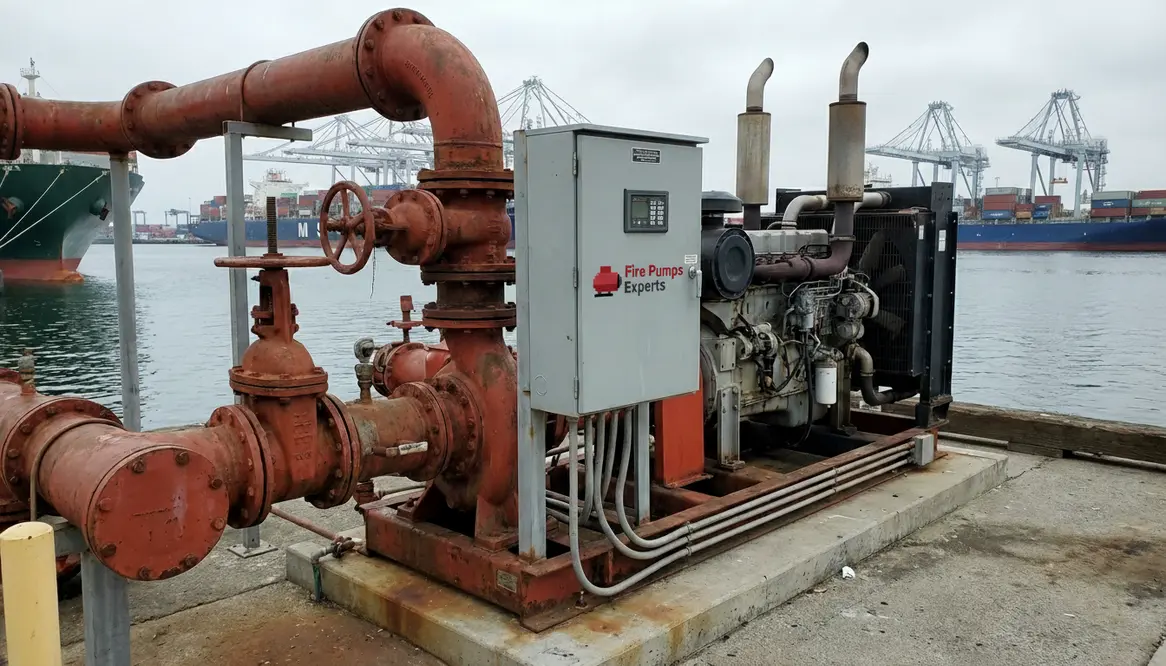
Waterfront Fire Pump Systems Long Beach Guide
Water gives life, but it also demands respect. In Long Beach, where salt air meets steel and concrete, fire protection at the water’s edge is a necessity, not a luxury.
I have spent enough time around coastal infrastructure to know one thing for certain. Water gives life, but it also demands respect. In Long Beach, where salt air meets steel and concrete, fire protection is not a luxury. It is a necessity. That is where waterfront fire pump systems Long Beach come into play, quietly standing guard over commercial docks, industrial yards, and high value waterfront properties. And while they do not wear capes, they are very much the heroes of the story, just without the Hollywood budget.
What fire pump types are best for waterfront properties in Long Beach?
Right away, I will give you the answer most people are searching for. The best fire pump depends on water source, building scale, and risk exposure. However, in Long Beach, a few types rise above the rest.
Centrifugal fire pumps
Centrifugal fire pumps lead the charge. They move large volumes of water efficiently, which makes them ideal for sprawling commercial facilities near the shoreline.
Vertical turbine pumps
Vertical turbine pumps step in when the water source sits below ground or below deck level. Think of them as deep sea divers that never complain.
Diesel driven fire pumps
Diesel driven fire pumps offer reliability when power grids fail. And yes, they tend to sound like a truck starting up at 5 a.m., but that noise often means everything is still under control.
Electric fire pumps
Electric fire pumps bring consistency and lower maintenance, especially in facilities with stable power infrastructure.
Each option serves a purpose, and choosing the wrong one is like casting the wrong actor in a lead role. It just does not work.
Understanding the Demands of Waterfront Infrastructure
Waterfront properties in Long Beach face unique challenges. Salt exposure corrodes metal. Humidity creeps into systems. And access to consistent water pressure can vary depending on tides and infrastructure design.
Because of this, I always look at durability first. Materials must resist corrosion. Components must handle constant exposure. Otherwise, you end up replacing parts faster than a streaming service cancels good shows.
Additionally, large scale commercial and industrial properties require systems that can sustain prolonged operation. Fires in these environments are not small events. They demand endurance, precision, and reliability.
That is why properly engineered Long Beach waterfront fire pump solutions are tailored, not copied from inland designs.
Key Fire Pump Types and When I Use Them
Vertical Turbine Pumps
I rely on these when drawing from deep water sources like harbor intakes. They deliver consistent pressure even when water levels shift. In waterfront environments, that stability is gold.
End Suction Pumps
These are compact and efficient. I often use them in mid sized commercial buildings where space matters but performance cannot drop.
Split Case Pumps
These are the heavy lifters. When I deal with large industrial complexes, I turn to split case pumps for their high flow capacity and reliability.
Diesel Fire Pumps
When power failure is not an option, diesel becomes the safety net. They are loud, yes, but dependable. Think of them as the action hero who always shows up in the final scene.
How I Match Fire Pump Systems to Large Scale Properties
I do not believe in guesswork. Matching a fire pump system to a property means evaluating water supply, hazard classification, and operational risk.
First, I assess flow demand. Industrial facilities near Long Beach ports often require high volume output to protect equipment, storage areas, and loading zones.
Next, I look at redundancy. Because in high value environments, one pump is never enough. Backup systems ensure continuity when something fails.
Finally, I consider compliance. Fire codes in California are strict, and for good reason. Systems must meet both local and national standards, especially in coastal zones.
That is why waterfront fire pump systems Long Beach installations require careful planning. It is not just about meeting code. It is about exceeding it.
Why Corrosion Control Is Non Negotiable
Saltwater is relentless. It does not knock politely. It seeps, it corrodes, and it weakens systems over time.
So I always prioritize corrosion resistant materials. Stainless steel components, protective coatings, and sealed electrical systems extend lifespan and reduce failure risk.
Moreover, routine inspection plays a critical role. Even the best equipment needs attention. Skipping maintenance in a waterfront environment is like ignoring a slow leak in a boat. You might float for a while, but eventually, things get interesting.
Common Mistakes I See in Waterfront Fire Pump Design
I have seen enough installations to spot patterns, and not all of them are good.
Underestimating demand
One major mistake is underestimating demand. Facilities expand, operations scale up, and suddenly the original system cannot keep up.
Choosing pumps on cost alone
Another issue is poor pump selection. Choosing a system based solely on cost often leads to higher long term expenses.
Ignoring the waterfront environment
Finally, neglecting environmental factors creates avoidable failures. Waterfront conditions are not forgiving, and systems must be built with that reality in mind.
When done right, these systems operate quietly in the background. When done wrong, they become very noticeable at the worst possible time.
FAQ About Fire Pump Systems in Long Beach Waterfront Properties
Closing Thoughts and Next Steps
In my experience, protecting waterfront properties in Long Beach is about foresight, not reaction. The right fire pump system does more than meet regulations. It protects assets, operations, and lives without drawing attention to itself. If you manage a commercial or industrial waterfront property, now is the time to evaluate your system, upgrade where needed, and ensure you are ready before an emergency ever begins.