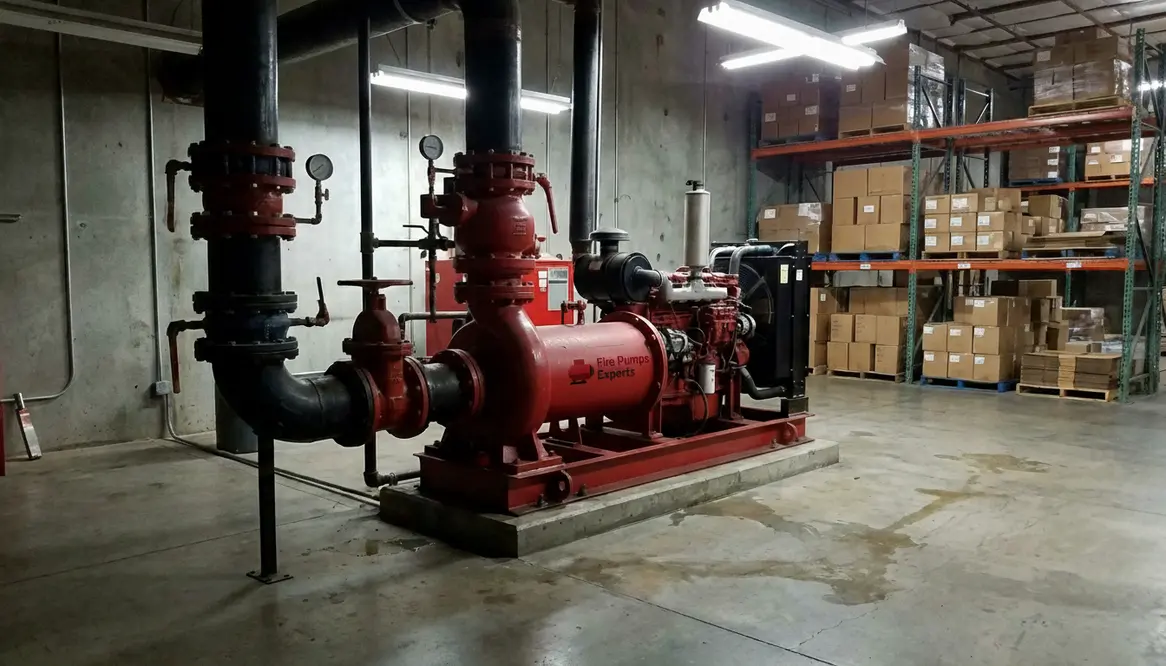
Phoenix Warehouse Fire Pump Requirements Guide
I have spent enough time around warehouses to know that safety systems rarely get the spotlight. Forklifts get the glory, robots steal the headlines, and inventory software gets the boardroom applause. Yet when things go sideways, one quiet system becomes the real hero: the fire pump. In Phoenix, where distribution centers stretch across the desert like small cities of steel and concrete, understanding phoenix warehouse fire pump requirements is not optional. It is essential. These systems protect millions of dollars in goods, safeguard workers, and keep operations running even after a worst case event. So today I am walking through what matters, why Phoenix plays by its own rules, and how large distribution facilities can meet code without losing sleep or their sense of humor.
Phoenix Warehouse Fire Pump Requirements Explained for Large Distribution Facilities
First, let us set the scene. Phoenix has become a logistics powerhouse. Massive distribution centers move everything from electronics to athletic shoes across the Southwest. However, these facilities also store large volumes of combustible materials. Cardboard packaging alone could make a campfire jealous.
Because of this risk, local authorities enforce strict fire protection standards. Fire pumps serve one purpose: they boost water pressure so sprinklers and hydrants deliver enough force during an emergency. Without them, a large warehouse could have a sprinkler system that looks impressive but performs like a garden hose trying to stop a volcano.
Most distribution warehouses in Phoenix rely on fire pump systems when municipal water pressure cannot meet demand. In large buildings, sprinkler networks require significant water flow. Therefore, pumps step in to deliver the pressure needed to meet National Fire Protection Association standards and city codes.
In addition, warehouse operators must coordinate with the Phoenix Fire Department during design and approval. Engineers calculate flow demand based on storage height, commodity type, and building size. The result determines whether a fire pump becomes mandatory.
So in simple terms, the rules exist because warehouses are big, the goods inside burn well, and firefighters prefer water pressure that means business. When you unpack phoenix warehouse fire pump requirements, it all traces back to making sure that when sprinklers open up, they have the power to actually knock down a serious fire instead of offering a light mist of good intentions.
Why Phoenix Warehouses Often Need Fire Pumps
Phoenix presents a unique challenge for fire protection engineers. The city spreads wide across the desert. Infrastructure keeps up impressively, yet water pressure varies depending on location and elevation.
As a result, distribution centers often exceed what municipal systems can support alone.
Several factors typically trigger the need for a fire pump in commercial distribution facilities.
Large building footprints
Modern logistics warehouses regularly exceed 500000 square feet. Sprinkler systems covering these spaces demand high water flow rates, and meeting phoenix warehouse fire pump requirements in these enormous footprints almost always means adding a serious pump to the design.
High pile storage
Stacked pallet storage creates vertical fire loads. The higher the storage racks climb, the more pressure sprinklers need to control flames. High rack storage turns a normal sprinkler layout into a hydraulic workout.
Commodity classification
Products such as plastics, packaging materials, and electronics burn hotter than basic goods. Consequently, codes demand stronger suppression systems. The more heat and smoke a commodity can produce, the more muscle your fire pump needs to bring.
Remote industrial zones
Many Phoenix warehouses sit in developing industrial corridors. Municipal water pressure in these areas may not reach required sprinkler performance levels. That is when designers stop hoping the city main will carry the load and start sizing a fire pump that actually can.
Because of these factors, fire pump systems become a core component of warehouse fire protection design. In many projects, engineers determine early that pumps are not a luxury. They are the backbone of the suppression system, and getting phoenix warehouse fire pump requirements right at the concept stage saves headaches, redesigns, and change orders later.
How I Approach Fire Pump Design for Distribution Warehouses
When planning fire pump systems for large commercial facilities, I approach the process like building a reliable engine. Every part must work under stress. Moreover, every decision must align with both national standards and local authority requirements.
First comes the hydraulic analysis. Engineers calculate how much water the sprinkler system needs at the most demanding point. This includes pressure losses from pipe friction, elevation changes, and system components.
Once that demand becomes clear, the fire pump size follows naturally.
However, choosing the pump is only one piece of the puzzle. The surrounding infrastructure matters just as much.
Core System Components
- Fire pump unit sized for required flow
- Diesel or electric driver depending on site reliability
- Controller designed to meet NFPA 20 standards
- Dedicated fire pump room or enclosure
- Backflow prevention and isolation valves
Operational Safeguards
- Reliable power supply or diesel backup
- Weekly churn testing capability
- Monitoring tied to fire alarm systems
- Clear access for inspection and maintenance
- Proper drainage and ventilation in pump rooms
Each of these components must work together. Otherwise, the pump becomes a fancy piece of equipment that fails when needed most. And trust me, the fire department does not appreciate surprises during emergencies.
If you want a deeper look at how pumps behave under stress, including rare cases where they actually contribute to flooding, resources like this Kord Fire article on fire pumps and flooding risk offer a useful perspective on maintenance, valves, and pressure control.
What Do Engineers Check When Reviewing Phoenix Warehouse Fire Pump Requirements
If you ever sit in on a fire protection review meeting, you will notice something interesting. Engineers ask a lot of questions. Some sound simple. Others feel like they belong in a physics lecture.
But every question aims to answer one thing: Will the system deliver water exactly when needed?
Water supply testing
Engineers perform flow tests to confirm municipal capacity. If pressure drops below acceptable limits, a fire pump becomes necessary.
Hydraulic calculations
Design teams model the entire sprinkler system. This ensures the pump meets required flow and pressure during peak demand, lining up the math with phoenix warehouse fire pump requirements instead of relying on guesswork or rules of thumb.
Fire pump room compliance
Pump rooms must meet strict construction standards. Fire rated walls, ventilation, and clear access remain essential. Crowding the room with storage or treating it like a broom closet is a quick way to draw red ink on a review set.
Driver reliability
Facilities sometimes choose diesel drivers when electrical reliability raises concerns. Redundancy matters when protecting massive logistics operations, and reviewers want to see that backup thinking baked into the design.
Ultimately, compliance with phoenix warehouse fire pump requirements is not just paperwork. It is engineering discipline applied to real world risk, turning code sections and design tables into a system that actually works when the warehouse is full, busy, and under stress.
Maintenance and Testing Keep Fire Pumps Ready
Here is the part people love to forget. Installing a fire pump does not end the story. In fact, it begins a long relationship with inspections, testing, and maintenance.
NFPA standards require routine testing to confirm pumps remain operational. Without this step, a system can degrade quietly over time.
Weekly churn tests verify the pump starts correctly and maintains pressure. Monthly inspections check valves, controllers, and fuel levels for diesel units. In addition, annual flow testing ensures the system still delivers the designed performance.
Large distribution centers often assign facility teams or specialized contractors to manage these routines. After all, when millions of dollars in inventory sit under one roof, skipping inspections is about as wise as leaving pizza alone with a group of hungry warehouse workers.
Consistent maintenance also keeps facilities compliant with local fire authorities and insurance requirements. Therefore, testing protects both property and operational continuity, turning everyday checklists into the quiet backbone of phoenix warehouse fire pump requirements in practice.
How Fire Pumps Protect Business Continuity in Massive Distribution Centers
When people talk about fire protection, they often focus on life safety. That remains the top priority, of course. Yet in the world of logistics, another factor carries weight: operational survival.
A major distribution warehouse may serve hundreds of retail stores or ecommerce routes. If a fire shuts down that facility, supply chains ripple across entire regions.
Properly designed fire pump systems reduce that risk dramatically. Sprinklers control fires early, preventing catastrophic damage. Facilities recover faster. Employees return to work sooner. Supply chains stay intact.
In many ways, fire pumps function like insurance policies with steel housings and spinning impellers. They rarely appear in company marketing photos. However, when disaster strikes, they quietly save the day.
And honestly, that kind of quiet reliability deserves a little respect.
FAQ About Fire Pumps for Phoenix Distribution Warehouses
Protecting Phoenix Distribution Warehouses with the Right Fire Pump Strategy
Meeting fire protection standards in massive logistics facilities takes experience, careful engineering, and a deep understanding of local codes. When experts evaluate water supply, system demand, and facility risk, they ensure fire pumps deliver reliable protection for years to come. If your commercial distribution center needs guidance navigating phoenix warehouse fire pump requirements, the specialists at FirePumps.org help design, install, and maintain systems that keep operations protected and compliant.