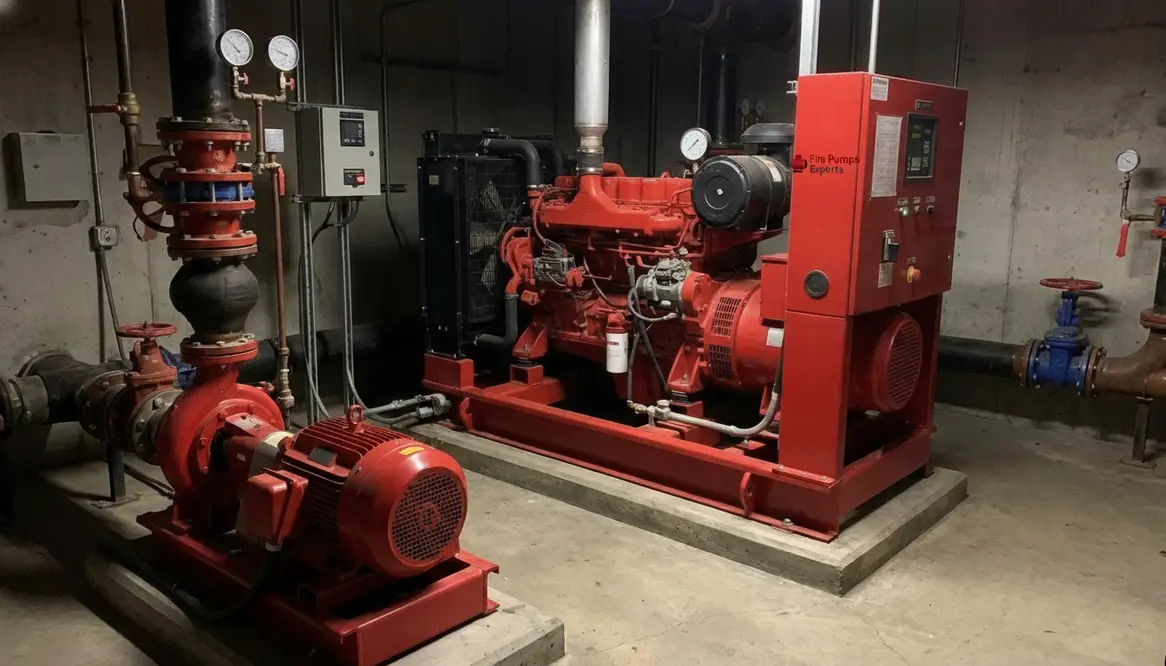
How Fire Pump Works in Fire Protection Systems
The quiet workhorse hiding in the fire pump room, waiting for the one day it absolutely has to perform.
How Does a Fire Pump Work? Understanding Fire Protection Systems
When I talk about how does a fire pump work, I am really talking about the muscle behind a building’s fire protection system. In a commercial or industrial property, water pressure can drop at the very moment you need it most. That is where the fire pump steps in. It boosts pressure, keeps water moving, and helps sprinklers and standpipes do their job. Simple idea, yes. Quiet hero, absolutely. And unlike a movie sidekick, this one has to perform under pressure without missing a beat.
In large facilities, I see fire pumps as part of a larger safety chain. They do not work alone. Instead, they support tanks, mains, valves, controllers, and sprinkler networks so the whole system stays ready. So, if you manage a warehouse, office tower, plant, or other major property, understanding this system can save time, money, and a great deal of stress later.
At a Glance: Fire Pump Fast Facts
- Boosts water pressure when city supply falls short
- Feeds sprinklers, standpipes, and hose connections
- Essential in tall, large, or high-hazard buildings
- Backed up by jockey pumps, controllers, and valves
What a Fire Pump Does in a Commercial Building
A fire pump increases water pressure for fire protection systems when the city supply cannot meet demand. That matters in tall buildings, sprawling industrial sites, and properties with long pipe runs. Water has to travel farther in these spaces, and that trip can sap pressure. So, the pump gives the system the push it needs.
Here is the basic job in plain language. When sprinklers or standpipes activate, the system senses a drop in pressure. Then the pump starts and sends more water into the pipes. As a result, the fire protection system can deliver the flow and pressure needed to help control fire conditions.
For commercial and industrial sites, this is not a nice extra. It is core equipment. In many cases, the building design, hazard level, and local code all shape the pump choice. That is why a one size fits all approach is about as useful as a paper umbrella in a thunderstorm.
How Does a Fire Pump Work in a Real System?
The pump works through a chain of simple actions that happen fast. First, the fire protection piping sees a pressure drop. Next, the controller tells the pump to start. Then the pump motor or engine drives the pump impeller, which moves water through the system. Finally, the pressure rises and stays steady enough to support sprinkler heads, hose connections, or standpipes.
The system also includes a jockey pump in many setups. That smaller pump handles minor pressure loss from leaks or normal changes. In other words, the jockey pump does the small chores so the fire pump can stay fresh for the big moment. Think of it as the opening act before the headliner arrives.
How the Sequence Usually Plays Out
- Sprinkler or hose stream opens
- System pressure drops below the set point
- Controller senses the drop and starts the fire pump
- Pump impeller spins and accelerates the water
- Pressure and flow rise to the designed level
- Fire department can connect to standpipes as needed
Inside the Fire Pump Setup
To understand the full process, I like to look at the main parts side by side.
Component
Pump unit
Moves water and raises pressure
Controller
Starts and manages pump operation
Jockey pump
Keeps pressure steady during small losses
Support & Flow Path
Power source
Uses electric motor or diesel engine to drive the pump
Valves and piping
Direct water through the fire protection system
This setup works as a team. If one piece fails, the rest cannot do their best work. Therefore, inspections and testing matter more than people often realize.
Why Pressure Matters in Fire Protection Systems
Pressure decides whether water reaches where it needs to go with enough force. Without it, sprinklers may not spread water well, and standpipes may not support firefighting operations the way they should. That is especially true in major buildings where height, pipe friction, and water demand create real challenges.
Also, different facilities need different performance levels. A manufacturing plant may have higher fire load than a standard office. A high rise may need stronger pressure to reach upper floors. So, engineers size the system based on the property’s risk, layout, and local requirements.
And yes, the pump does not care if it is midnight, Monday, or a holiday. Fire protection does not wait for a convenient moment, because fire never got that memo.
What Facility Owners Should Watch For
If I were running a commercial or industrial property, I would pay close attention to a few warning signs. These can help prevent trouble before it grows.
Look for the following:
- Unusual vibration during pump operation
- Slow start times or failed starts
- Leakage around seals, joints, or valves
- Pressure that drops below the expected level
- Controller alarms or fault codes
Routine testing helps catch these issues early. In addition, proper maintenance supports code compliance and system readiness. That is important because a fire pump is not just equipment. It is part of a life safety system that protects people, property, and business continuity.
Putting It All Together: How Does a Fire Pump Work?
If you want the short version of how does a fire pump work, here it is: the pump stands by, senses a drop in system pressure when sprinklers or standpipes open, and then surges into action to push water through the system with enough force to matter. Around it, the jockey pump, controller, power source, and piping all play their roles so that one question never has to be asked in the middle of an emergency: “Why is there no water?”
In practical terms, understanding how does a fire pump work gives owners and managers a clearer picture of where inspections, upgrades, and training should focus. It shifts the system from a mysterious box in a back room to a known, managed, and respected part of the building.
Conclusion
If you want dependable fire protection for a commercial or industrial property, I suggest taking a closer look at your pump system now, not later. Understanding how does a fire pump work helps you make smarter decisions about safety, maintenance, and compliance. If your building depends on steady water pressure, do not leave it to chance. Review your system, check its condition, and work with qualified fire protection professionals who know large facilities inside and out.
If you are unsure where to start, resources such as https://www.firepumps.org and your local fire protection contractor can point you in the right direction and help you turn “I think it works” into “I know exactly how does a fire pump work in this building.”