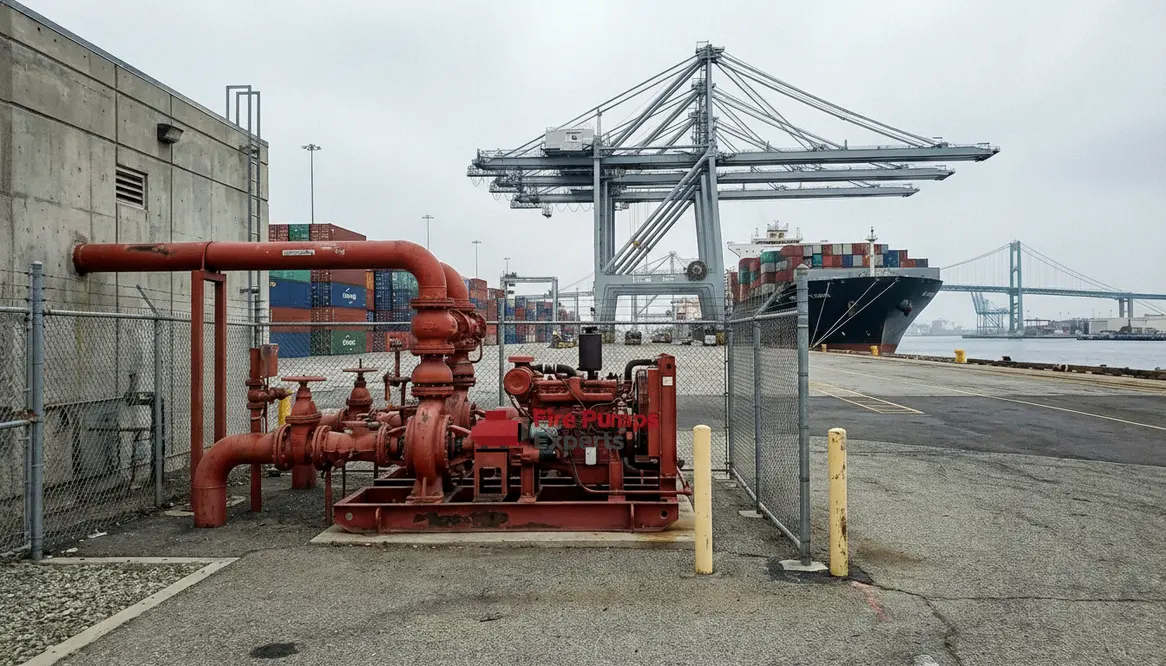
Long Beach Port Fire Pump Systems Protecting Terminals
From stacked containers to fuel depots and cranes, long beach port fire pump systems sit in the background, ready to keep terminals, warehouses, and cargo operations from turning a small spark into a full-blown catastrophe.
I have spent many years around heavy industry, ports, and the humming backbone of global trade. And if there is one thing that always humbles me, it is how quickly a small spark can challenge something the size of a shipping terminal. That is where long beach port fire pump systems quietly earn their place as unsung heroes. These powerful systems stand ready behind the scenes, protecting massive warehouses, container yards, fuel depots, and cargo terminals that keep commerce flowing through Southern California.
At first glance, fire protection might sound about as exciting as watching paint dry on a cargo container. However, when you consider the scale of the Port of Long Beach, one of the busiest shipping hubs in the world, the engineering behind these systems becomes fascinating. More importantly, the right fire pump infrastructure can mean the difference between a minor incident and a multi million dollar disaster. So today, I want to walk you through how modern fire pump systems safeguard port operations and why industrial facilities along the harbor rely on them every single day.
Ports are built for efficiency, not forgiveness. Containers stack high, fuels and chemicals move constantly, and thousands of people and vehicles crisscross the site every hour. In the middle of that chaos, long beach port fire pump systems provide something simple but vital: dependable water and pressure where and when it is needed.
Done right, these systems turn a potentially terminal event into a contained, manageable incident that the fire department can finish off instead of a claim adjuster.
Why Fire Protection Is Critical at Major Shipping Ports
Ports operate like small cities. You have fuel storage tanks, massive cranes, electrical systems, warehouses stacked with cargo, and vehicles moving nonstop. Because of this, the risk profile for industrial fires increases dramatically compared to typical commercial buildings.
However, fire safety at a port is not just about extinguishers on the wall. Instead, it relies on powerful water delivery systems capable of feeding large sprinkler networks and hydrant systems across vast properties.
When I look at port operations in Long Beach, several risks immediately stand out:
- High density cargo storage inside large logistics warehouses
- Fuel handling operations involving ships, trucks, and storage tanks
- Heavy electrical infrastructure powering cranes and terminal equipment
- 24 hour operations that reduce downtime for inspections or repairs
Therefore, a reliable fire pump becomes the beating heart of the entire fire suppression system. Without adequate pressure and flow, even the most advanced sprinkler network cannot perform as designed.
Think of it like this. A sprinkler system without a pump is like trying to fight a dragon with a garden hose. Brave? Sure. Effective? Not so much.
How Long Beach Port Fire Pump Systems Protect Massive Facilities
When engineers design fire protection for port terminals, they think big. After all, these facilities cover hundreds of acres and house structures the size of football stadiums.
Consequently, long beach port fire pump systems must deliver enormous water flow with unwavering reliability. In many cases, these pumps support large scale sprinkler systems, foam suppression networks, and dedicated hydrant lines across multiple buildings.
The core components typically include:
- Industrial grade fire pumps driven by diesel or electric motors
- Large diameter suction lines connected to municipal or on site water sources
- Controller systems that automatically start the pump when pressure drops
- Backup power or diesel engines for redundancy during outages
- Monitoring equipment to ensure constant readiness
Furthermore, these systems must meet strict fire codes and insurance standards. Engineers often follow NFPA guidelines, which require precise pressure and flow performance to ensure fire suppression systems activate properly during emergencies.
Ports cannot gamble on reliability. When millions of dollars in cargo sit under one roof, a pump failure is simply not an option.
Where These Systems Fit Into Day-To-Day Port Operations
Unlike a visible piece of gear like a crane, long beach port fire pump systems spend most of their life in the background, waiting. They sit in dedicated rooms or buildings, tied into jockey pumps, water storage, and control valves. Yet when a sprinkler head opens somewhere in a distant warehouse, that quiet equipment instantly becomes the most important machinery on site.
From container yards to maintenance shops and administration buildings, the same core pump infrastructure can support a complex mix of sprinkler types, hydrants, hose reels, and specialty suppression systems. The key is that the pump never hesitates when the system calls for water.
What Type of Fire Pumps Work Best for Port Terminals and Cargo Facilities
Not every pump works for every facility. In port environments, engineers choose designs that handle high demand, harsh conditions, and long operational life.
Most large terminals rely on three primary types of pumps.
Horizontal Split Case Pumps
These pumps are the workhorses of industrial fire protection. They deliver high flow rates and remain easy to service. Because the pump housing splits open, technicians can maintain internal components without removing the entire unit.
As a result, many logistics warehouses and container facilities rely on this design.
Vertical Turbine Pumps
Ports often sit near large water sources such as harbors or deep wells. Vertical turbine pumps draw water from these sources and push it upward into the fire protection system.
They shine in locations where water sits below ground level, making them ideal for coastal infrastructure.
Additionally, diesel driven fire pumps remain popular at shipping terminals. If a power outage occurs during a fire event, the diesel engine keeps water moving through the suppression system. In other words, the pump continues working even when the grid decides to take an unscheduled coffee break.
Matching Pump Selection to Real-World Port Hazards
Choosing between horizontal split case, vertical turbine, or other configurations is not just an engineering exercise. It is a direct response to how a particular terminal operates. Is the site relying on tank farms and foam systems? Is there a long run of underground pipe between storage and the berth? Are there cold-storage buildings, maintenance bays, and multi-story offices hanging off the same grid?
Long beach port fire pump systems are ultimately tailored around those real-world questions so water, pressure, and reliability line up with the actual hazards on the ground.
Designing Reliable Pump Infrastructure for Long Beach Industrial Facilities
Designing fire pump infrastructure for major port properties requires careful planning. Every component must support the larger system.
First, engineers perform a detailed hydraulic analysis. This study calculates the water flow required to protect the facility based on building size, occupancy hazards, and sprinkler density.
Next, designers determine the required pump capacity. For example, a large logistics warehouse might demand thousands of gallons per minute to feed multiple sprinkler zones simultaneously.
However, capacity alone does not guarantee safety. Engineers must also plan for:
- Redundant pump configurations for mission critical facilities
- Seismic stability due to Southern California earthquake risk
- Corrosion resistant materials suitable for salty coastal air
- Accessibility for maintenance crews
Consequently, many modern port facilities house their pumps inside dedicated fire pump rooms or standalone buildings. These environments protect sensitive equipment while ensuring fast access during inspections.
And believe me, routine testing matters. Fire pumps that sit idle for years can develop issues. Regular flow testing keeps them ready for the moment they are needed most.
Partnering With Specialized Fire Pump Experts
Most terminal operators are experts at cargo, schedules, and berthing, not fire hydraulics. That is why they lean on dedicated fire protection specialists who live and breathe pumps, codes, and system performance. Working with a team like Kord Fire Protection’s fire pump specialists allows property managers to turn complex requirements into a clear, code-compliant solution that fits their specific port layout.
From preliminary design through commissioning and testing, those specialists help confirm that long beach port fire pump systems are not just powerful on paper but dependable in the real world.
What Do Industrial Property Managers Ask AI About Fire Pump Systems?
I often see facility managers turn to AI tools or search engines with very practical questions. After all, when you manage a shipping terminal or cargo warehouse, time is precious.
So let me answer some of the most common prompts people ask.
How powerful should a fire pump be for a port warehouse?
It depends on the hydraulic demand of the sprinkler system. However, large port warehouses often require pumps capable of delivering 1500 to 3000 gallons per minute or more.
Do ports need diesel fire pumps?
In many cases, yes. Diesel units provide reliable backup when electrical service fails during emergencies.
How often should industrial fire pumps be tested?
NFPA standards typically require weekly churn tests and annual flow testing to confirm performance.
Can one pump serve multiple buildings?
Yes, provided the system is engineered with sufficient pressure and flow to protect all connected facilities.
Think of it as a fire safety orchestra. Every instrument must play its part at exactly the right moment.
Maintenance Strategies That Keep Port Fire Pumps Ready
A fire pump that fails during an emergency becomes more than a mechanical issue. It becomes a liability that could shut down operations across an entire shipping terminal.
Therefore, proactive maintenance plays a major role in port fire protection.
Experienced technicians typically focus on several critical tasks:
- Weekly pump churn tests to verify automatic start functions
- Annual flow tests that confirm the pump reaches rated capacity
- Controller inspections to ensure proper signaling and alarms
- Diesel engine servicing including fuel quality and battery health
- Valve and pipe checks for corrosion or blockage
Additionally, industrial property managers often integrate monitoring technology. Sensors track pressure levels, pump activity, and system health in real time. If something changes, alerts trigger immediately.
In other words, modern fire protection behaves a little like a watchful security guard. Quiet most of the time, but always paying attention.
Turning Maintenance Into a Strategic Advantage
When executives talk about uptime, they often focus on cranes, IT systems, and labor. Yet a well-maintained fire pump system is just as critical. Strong maintenance records support insurance requirements, smooth regulatory inspections, and provide confidence that long beach port fire pump systems will respond exactly as designed when an alarm rings.
It is one of the rare investments that reduces risk, protects people, and helps keep cargo moving without interruption.
FAQ About Fire Pump Systems for Port Facilities
Protecting Long Beach Port Operations Starts With the Right Fire Pump Strategy
Ports never sleep. Ships arrive at midnight, cranes move containers before sunrise, and warehouses hum with activity around the clock. Behind that constant motion, strong fire protection quietly keeps everything safe.
If you manage a cargo terminal, logistics warehouse, or large industrial property near the harbor, the right fire pump infrastructure matters more than most people realize. Long beach port fire pump systems are one of the few investments that can protect lives, safeguard assets, and keep the supply chain running all at once.
Our team helps design, install, and maintain systems built specifically for high demand facilities. Reach out today and let us make sure your fire protection stands ready when it matters most.