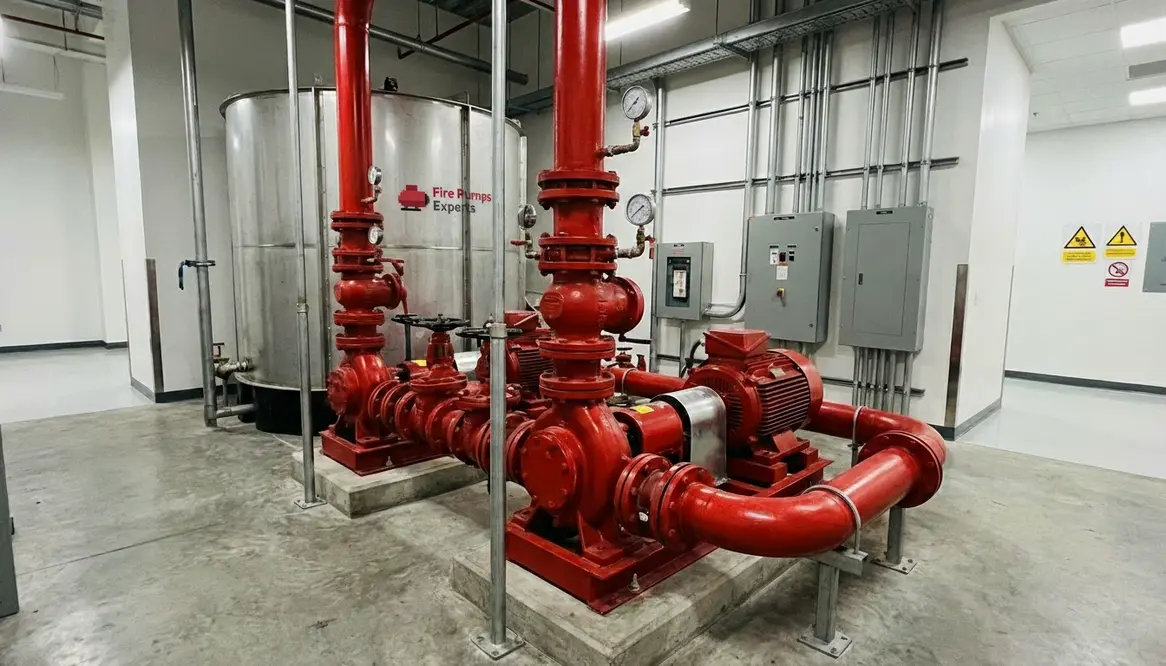
Austin Semiconductor Facility Fire Pump Systems Guide
I have spent years walking through industrial buildings where a single spark could cost millions. Semiconductor plants sit at the top of that list. In Austin, where advanced chip manufacturing continues to expand, the margin for error is razor thin. That is why austin semiconductor facility fire pump systems matter more than most people realize.
When I step into one of these facilities, I am not just looking at pipes and pumps. I am looking at the backbone of fire protection for billion dollar production lines. Chips smaller than a fingernail power everything from smartphones to satellites. Yet without the right fire protection infrastructure, that delicate technology could disappear faster than popcorn in a movie theater. Therefore, properly engineered pump systems keep operations running, protect expensive cleanroom environments, and give facility managers the confidence to sleep at night. And trust me, anyone responsible for a semiconductor plant deserves good sleep.
Austin Semiconductor Facility Fire Pump Systems and Why They Matter
Semiconductor manufacturing is not your typical industrial environment. The facilities operate with extreme precision, controlled air systems, specialized chemicals, and continuous production cycles. Consequently, a fire incident here can escalate quickly if suppression systems lack the right water pressure and reliability.
This is where austin semiconductor facility fire pump systems come into play. I see them as the muscle behind the sprinkler and suppression infrastructure. While the sprinkler heads get the attention, the fire pump does the heavy lifting. Without sufficient pressure and flow, those sprinklers might as well be decorative ceiling art.
Additionally, semiconductor plants in Austin often cover hundreds of thousands of square feet. Massive fabrication halls, chemical storage zones, and utility corridors all demand consistent water supply. Therefore, the fire pump system ensures that water reaches every corner of the facility when seconds matter.
Moreover, local codes, insurance requirements, and NFPA standards demand precise performance. These systems must activate instantly, maintain stable pressure, and run continuously during emergencies. Think of them like the drummer in a rock band. Nobody notices until they stop, and then suddenly everything falls apart.
What Makes Fire Protection in Semiconductor Manufacturing Unique
Semiconductor fabrication plants present hazards that most commercial properties never face. I often explain it like this. A typical office building worries about paper and furniture fires. A chip fab deals with specialty gases, chemical processes, and extremely expensive equipment.
Because of this, fire pump systems must support multiple protection strategies simultaneously.
High Value Equipment Protection
Chip fabrication tools can cost millions each. Fire protection systems must deliver stable pressure so suppression systems respond instantly without damaging sensitive equipment.
Chemical Handling Areas
Many facilities store flammable or reactive chemicals. Fire pumps support specialized sprinkler zones designed to control these risks quickly.
Large Scale Facilities
Semiconductor campuses often resemble small cities. Therefore pumps must push water across extensive pipe networks without pressure loss.
Cleanroom Environments
Cleanrooms require careful fire protection design. Systems must suppress fire without contaminating sensitive manufacturing processes.
Continuous Operations
These facilities rarely shut down. As a result, fire pump reliability becomes essential for around the clock production safety.
Redundancy Requirements
Backup pumps, power sources, and controllers ensure the system works even if one component fails.
In other words, designing fire protection for semiconductor manufacturing feels a bit like directing a complex orchestra. Every instrument must play perfectly. Otherwise the whole performance falls apart.
How Fire Pump Design Supports High Value Industrial Facilities
Whenever I evaluate pump installations in advanced manufacturing plants, I start with one core question. Can the system deliver consistent pressure during the worst possible scenario?
Industrial fire pumps generally fall into three categories.
Electric motor driven pumps
Electric motor driven pumps provide reliable performance for facilities with stable power infrastructure. Many semiconductor plants prefer them because they integrate smoothly with modern monitoring systems.
Diesel driven pumps
Diesel driven pumps serve as essential backup when electrical power fails. Although they sound like something out of a Mad Max movie, they remain one of the most dependable safeguards during major emergencies.
Vertical turbine pumps
Vertical turbine pumps often appear in facilities that rely on onsite water storage or underground supply systems.
However, selecting the right pump is only the beginning. Proper design also considers:
- Hydraulic calculations that match system demand across large manufacturing floors.
- Controller integration so operators can monitor pump performance instantly.
- Seismic and vibration stability which protects precision environments.
- Testing and maintenance access so technicians can verify performance without disrupting operations.
After all, the best system in the world means nothing if you cannot test it regularly. It is a bit like owning a sports car but never checking the engine. Looks impressive in the parking lot. Not so impressive when it refuses to start.
What Should Austin Facility Managers Ask About Fire Pump Infrastructure
I get this question from plant managers all the time. Usually it comes after someone reads a safety report or watches a documentary about factory fires and suddenly decides their facility deserves a second look.
So here are the questions I encourage leaders to ask immediately.
- Is the pump sized for future expansion? Semiconductor campuses grow quickly. Therefore fire protection must support tomorrow’s production lines, not just today’s.
- Does the system meet NFPA and insurance requirements? Compliance protects both safety and operational continuity.
- Is redundancy built into the design? Backup pumps and power sources reduce operational risk.
- How often is performance tested? Weekly churn tests and annual flow tests confirm the pump performs under real conditions.
- Are monitoring systems integrated? Modern pump controllers connect with facility management platforms for real time oversight.
When these elements align, semiconductor facilities gain something priceless. Confidence that their fire protection system will perform when everything else feels uncertain.
For managers who want a deeper perspective on how pumps behave under stress, it is worth reviewing guidance on how fire pumps can impact building performance, including rare cases where failures may cause flooding. A good starting point is resources like this overview of how a fire pump can flood a building, which reinforces why tight maintenance and testing standards matter so much.
Austin Semiconductor Facility Fire Pump Systems and Long Term Reliability
In high tech manufacturing, reliability is everything. A semiconductor fabrication plant may run twenty four hours a day for years. Consequently, the fire pump system protecting that facility must perform with the same endurance.
I always emphasize preventive maintenance. Pumps should receive scheduled inspections, mechanical checks, and full flow testing. Furthermore, technicians must monitor controller electronics, valves, and pressure gauges.
Even small issues can create larger problems. A partially closed valve or worn bearing may reduce pump efficiency. Meanwhile, operators might never notice until the system faces real demand.
Additionally, Austin facilities often upgrade production capacity over time. New fabrication tools and expanded cleanrooms increase fire protection demand. Therefore, reviewing the capacity of austin semiconductor facility fire pump systems becomes essential during facility expansion projects.
And yes, maintenance may sound about as exciting as watching paint dry. However, I would still choose that over explaining to executives why a billion dollar fabrication line shut down because someone skipped pump testing.
FAQ About Fire Pump Systems for Semiconductor Manufacturing
Semiconductor environments introduce unique demands for austin semiconductor facility fire pump systems, so it is natural for facility teams to have recurring questions. The most common ones are addressed here in a structured, quick reference format.
Protecting Austin Semiconductor Manufacturing Starts Here
Advanced manufacturing demands serious fire protection. If you manage a semiconductor facility in Austin, the reliability of your pump infrastructure is not optional. It is essential. Our specialists design, inspect, and maintain fire pump systems built specifically for large scale industrial environments. Reach out today to evaluate your facility and ensure your protection system performs exactly when it matters most. Because in semiconductor manufacturing, prevention always costs less than recovery.
Ultimately, austin semiconductor facility fire pump systems serve as the quiet guardians of your cleanrooms, tools, and teams. They do not ask for much beyond careful design, routine testing, and thoughtful upgrades as production grows. Invest that effort now, and you give your operation something far more valuable than hardware on a riser: the confidence that when alarms sound and seconds count, your fire protection backbone is ready to perform.