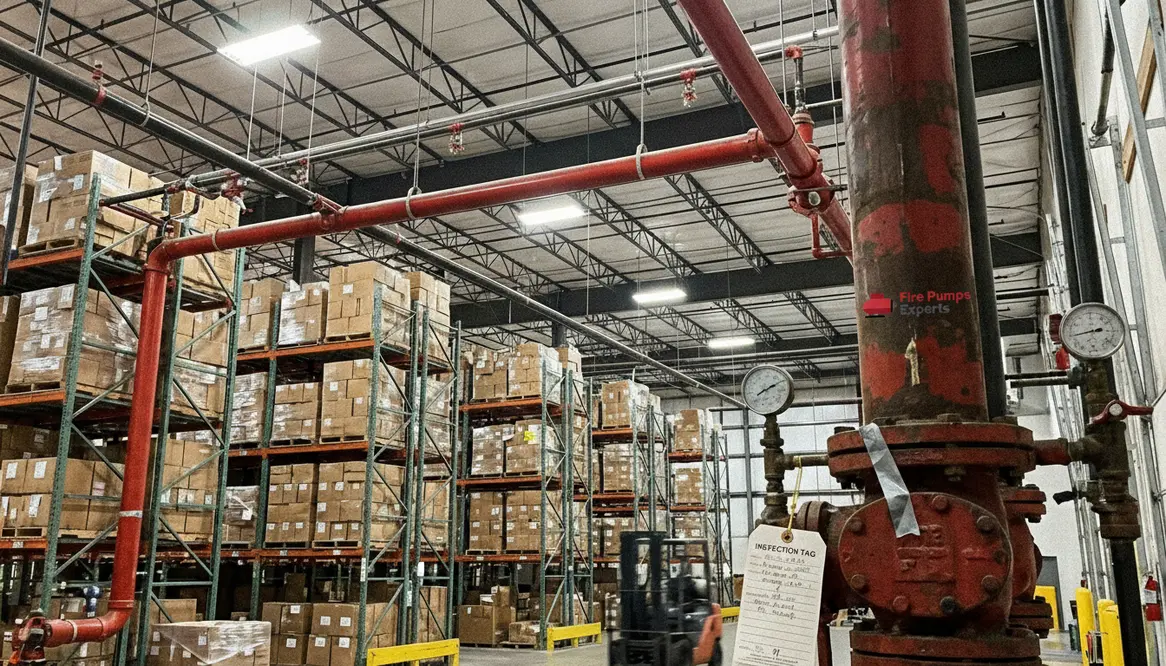
Warehouse Fire Protection Water Pressure Systems
Introduction: Why Water Pressure Decides Whether a Fire Stops or Spreads
I have spent years walking through massive warehouses and distribution centers. The kind of places where forklifts hum like busy bees and shelves stretch so high they seem to challenge the clouds. In buildings like these, fire protection is not just a safety measure. It is a promise that thousands of products, millions of dollars, and countless jobs stay protected.
That promise rests heavily on one thing many people overlook: water pressure. More specifically, the design and reliability of large storage facility fire protection water pressure systems. If the pressure fails, sprinklers become decorations instead of defenders.
However, when the pressure system is built correctly, the response is immediate and powerful. Water arrives exactly where it should, at the right force, and within seconds. Think of it like the difference between a garden hose and a movie scene fire engine blast. Both involve water, but only one wins the battle.
So today I want to walk you through how these systems work, why they matter in industrial and commercial storage buildings, and what separates a reliable system from one that only looks good on paper.
How Large Storage Facility Fire Protection Water Pressure Systems Actually Work
At the heart of every warehouse fire protection network sits a carefully balanced pressure system. Sprinklers alone cannot do the job. They depend on a consistent water supply that arrives with enough force to reach high rack storage and wide floor areas.
First, water enters the property through the municipal supply or a dedicated water source. However, city pressure alone rarely supports the demands of a massive industrial building. Therefore, engineers add fire pumps and pressure control equipment to boost flow and maintain stability. In many cases, that means partnering with specialists who understand both sprinkler hydraulics and fire pump performance, such as the fire pump system experts at Kord Fire Protection, to make sure the entire system can deliver when it matters.
When a sprinkler activates, the system senses a pressure drop. Immediately, the fire pump engages. Water accelerates through the piping network and reaches the activated heads within seconds.
Meanwhile, pressure regulators and monitoring devices maintain balance across the entire system. Without them, one area could receive too much pressure while another receives too little.
I like to explain it this way. Imagine trying to water an entire football stadium using one hose. Now imagine coordinating hundreds of hoses so each one hits its target perfectly. That coordination is exactly what proper pressure design accomplishes.
And when it works correctly, the system feels almost invisible. But invisible protection is usually the best kind, especially in large storage facility fire protection water pressure systems built to stay ready in the background every single day.
Design Challenges Inside Massive Warehouses
Large storage facilities bring unique problems to fire protection engineers. The scale alone changes everything.
For example, ceiling heights often exceed forty feet. Water must travel upward and still maintain enough energy to disperse effectively through sprinklers. At the same time, racked storage can create narrow channels that intensify heat and accelerate flame spread.
Therefore, pressure calculations must account for several factors.
- Ceiling height and rack configuration
- Commodity classification of stored goods
- Distance between pump rooms and sprinkler zones
- Pipe diameter and friction loss
- Redundancy for system reliability
Additionally, large facilities often expand over time. A building that began as a modest warehouse may evolve into a distribution giant. When that happens, pressure systems must scale accordingly.
I have seen facilities where a minor expansion quietly doubled hydraulic demand. Suddenly the original design could no longer maintain adequate pressure across the network. That is why forward thinking system planning matters. In industrial properties, growth is not a possibility. It is practically a personality trait, and large storage facility fire protection water pressure systems need to be designed with that personality in mind.
What Pumps, Tanks, and Controls Really Contribute
The Pump: Muscle Of The System
Behind every strong water pressure network stands a team of mechanical players working together.
First comes the fire pump. This machine acts as the muscle of the entire system. Once activated, it boosts water flow dramatically and maintains the pressure required to support multiple sprinkler heads simultaneously.
Water Storage: The Safety Net
Next comes water storage. In many commercial and industrial facilities, tanks provide a dedicated supply capable of sustaining suppression for extended periods. Because municipal supply can fluctuate, storage ensures reliability during emergencies.
Controls And Sensing: The Brain
Control equipment then acts as the brain. Sensors monitor pressure changes and communicate with the pump controller. When the system detects demand, the pump starts automatically.
Now here is the interesting part. When everything works correctly, the system reacts faster than most people realize a fire has begun. In fact, the first sprinkler activation often controls the fire before the dramatic Hollywood version ever gets started.
Although I will admit something. Movies have convinced us that every fire suppression system triggers every sprinkler at once. That is not how it works. If that were true, warehouses would look like indoor water parks every time someone burned toast.
Large Storage Facility Fire Protection Water Pressure Systems And High Rack Storage Risks
High rack storage adds another layer of complexity. Pallets stacked dozens of feet high create vertical fuel channels that can intensify fire behavior.
Because of this, pressure requirements increase. Water must penetrate deeper into rack aisles and maintain enough force to suppress flames before they climb upward.
Engineers address this challenge through careful hydraulic design and targeted sprinkler placement. In rack sprinklers, ceiling systems, and sometimes specialized suppression technologies work together.
Furthermore, modern large storage facility fire protection water pressure systems often integrate monitoring technology. These systems track pressure conditions in real time and alert maintenance teams if something drifts outside safe limits.
That visibility matters. After all, a pressure drop discovered during an emergency is about as welcome as realizing you forgot your parachute after jumping out of the plane. Therefore, ongoing testing and inspection remain critical parts of system management for major commercial properties.
If I Asked AI: What Makes A Warehouse Fire Pressure System Reliable?
If someone typed that question into a generic prompt, I suspect the answer would look something like this. And honestly, the machines would not be wrong.
System Reliability Factors
- Consistent pump performance and correct sizing
- Hydraulic calculations verified for the building layout
- Dedicated water supply or storage capacity
- Routine inspection, testing, and maintenance
- Monitoring technology that detects pressure irregularities
Operational Benefits For Industrial Properties
- Faster fire control within large floor areas
- Reduced risk of inventory loss
- Improved compliance with fire codes and insurance standards
- Protection for employees and facility operations
- Long term reliability across facility expansions
When these elements align, a facility gains more than compliance. It gains confidence. And confidence in a safety system is priceless when millions of square feet and millions of dollars sit under one roof. That is exactly what well engineered large storage facility fire protection water pressure systems are designed to deliver.
FAQ: Water Pressure Systems In Industrial Storage Facilities
The questions below come up constantly for warehouse owners, facility managers, and safety teams working around large storage facility fire protection water pressure systems every day.
Conclusion
Protecting a major warehouse or distribution center demands more than sprinklers on the ceiling. It requires pressure systems designed for scale, growth, and reliability. When engineered correctly, they respond instantly and control fires before damage spreads.
If you manage or operate a commercial storage facility, investing in professionally designed fire pump and pressure infrastructure protects both your property and your operations. In the world of industrial fire protection, strong pressure truly means strong protection, and large storage facility fire protection water pressure systems are the backbone of that promise.