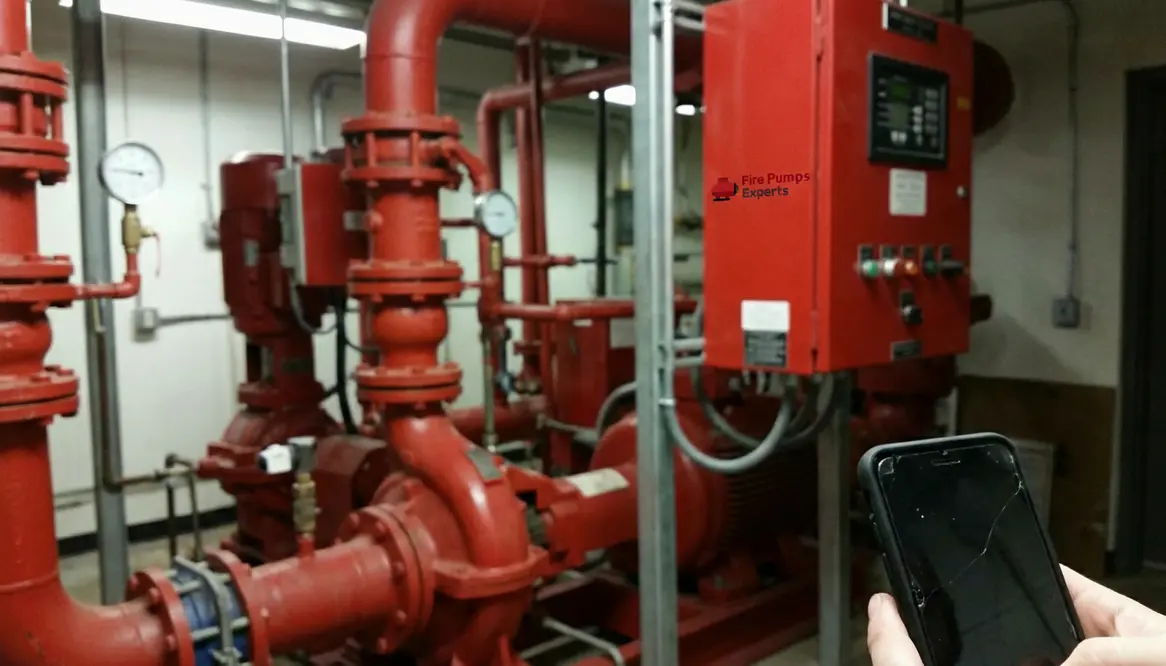
Fire Pump Testing and Maintenance Services
When a fire breaks out, your fire pump has one job: deliver reliable pressure on demand. Not “almost enough,” not “yesterday it worked,” but rock-solid performance every single time. That only happens with intentional fire pump testing and maintenance services, not guesswork and crossed fingers.
Why Fire Pump Testing Isn’t Optional
Fire pumps live hard lives. They sit still for long stretches, then get pushed to their limits when you can least afford a failure. Corrosion creeps in, seals age, controllers go out of calibration, valves stick, and batteries quietly give up. On the surface, everything looks calm; inside, your system might be slowly drifting out of spec.
That’s exactly why NFPA 20 and NFPA 25 demand a structured inspection, testing, and maintenance (ITM) program. Routine fire pump testing and maintenance services verify that:
- The pump actually starts when called on
- It reaches and holds required pressure and flow at multiple points on the curve
- Controllers, sensors, and alarms respond correctly
- Leaks, vibration, and overheating are caught early, not during an emergency
The Business Case: Liability, Compliance, and Insurance
A failed fire pump is more than a mechanical problem; it’s a legal and financial mess. If a fire spreads because the pump didn’t perform, the first questions are always the same:
- Were NFPA 25 inspections and tests completed on schedule?
- Is there clear documentation of every fire pump test?
- Were deficiencies corrected by qualified professionals?
Fire pump testing and maintenance services give you something priceless in the aftermath of an incident: proof. Proof that you took reasonable, documented steps to keep your fire protection system operational and code-compliant.
What’s Included in Professional Fire Pump Testing and Maintenance Services
A proper program doesn’t just “run the pump once in a while.” It follows a repeatable, standards-based checklist tailored to the exact pump type and building. While every site is unique, most comprehensive fire pump testing and maintenance services include the following components.
1. Visual and Mechanical Inspection
First step: look, listen, and feel. A seasoned technician can tell a lot before a single gauge is read. They’ll inspect:
- Pump casing and piping for corrosion, leaks, and physical damage
- Couplings, bearings, and alignment between pump and driver
- Valves for full travel, clear labeling, and secure positions
- Jockey pump condition and settings
- Room conditions: lighting, drainage, ventilation, and access
Catching a small leak or misaligned coupling during a routine inspection is a lot cheaper than replacing a burned-out pump and dealing with extended downtime.
2. Controller, Power, and Start-Up Checks
The best pump in the world is useless if it never starts. Technicians verify that:
- Automatic and manual start functions work correctly
- Transfer switches and circuit breakers are in proper positions
- Battery banks (for diesel or electric systems) are charged and within manufacturer specs
- Alarm circuits, signals, and indication lights respond as designed
During fire pump testing and maintenance services, these checks are what turn a silent, dark pump room into a controlled, predictable system.
3. Weekly and Monthly Churn Tests
A churn test runs the pump with no water flowing, just circulating within the system. It sounds simple, but it tells you plenty:
- Does the pump start automatically from a simulated pressure drop?
- Does the driver sound normal, without grinding, knocking, or surging?
- Are there abnormal vibrations or temperature spikes?
- Does the pressure stabilize where it should, or drift and fluctuate?
These frequent, short tests give you early warning if the pump or driver is developing a problem long before annual flow testing day.
4. Annual Flow Testing at 50%, 100%, and 150%
This is where the pump earns its keep. During an annual test, technicians measure gallons per minute (GPM), pressure (PSI), and pump speed (RPM) at three points:
- 50% of rated capacity – partial demand, early-stage fire conditions
- 100% of rated capacity – what the pump is designed to handle day in, day out
- 150% of rated capacity – overload performance and safety margin
Results are compared to the manufacturer’s original curve. If your fire pump can’t hit its numbers anymore, that’s a serious warning sign that calls for repair, overhaul, or in some cases replacement.
5. Preventive Maintenance and Adjustments
Testing tells you what’s happening; maintenance fixes what’s wrong and prevents the next failure. Typical fire pump testing and maintenance services also include:
- Lubricating bearings and moving components
- Tightening connections and mounting hardware
- Adjusting packing or mechanical seals to address minor leaks
- Cleaning strainers, filters, and suction lines
- Verifying sensing lines are free of air and debris
The goal is simple: keep the pump as close as possible to its original factory condition despite age and operating environment.
6. Documentation, Reporting, and Recommendations
If it’s not documented, it didn’t happen. A quality provider will leave you with:
- Completed inspection and test forms with dates, readings, and observations
- Photos or notes on deficiencies, along with code references
- Clear repair or upgrade recommendations, prioritized by urgency
- Records aligned with NFPA requirements and local jurisdiction expectations
Those records become your shield when auditors, insurers, or regulators ask how you’ve been managing your fire pump system.
How Often Should Fire Pump Testing and Maintenance Be Done?
The exact schedule depends on system type, occupancy, and local code enforcement, but NFPA 25 lays down a clear baseline. A strong fire pump testing and maintenance services program will typically follow this rhythm:
- Weekly: Churn tests for many diesel fire pumps and specified electric pumps, along with quick visual checks.
- Monthly: Churn tests for electric pumps not on a weekly schedule, plus closer inspection of valves, gauges, and controllers.
- Annually: Full flow test at 50%, 100%, and 150% of rated capacity, with comprehensive mechanical and electrical inspection.
- As needed: After a major fire event, system modification, or extended outage, additional testing may be required.
If you’re wondering whether your current schedule actually aligns with NFPA and local AHJ expectations, that’s a sign it’s time to bring in a specialized fire pump company to review your program.
Choosing the Right Partner for Fire Pump Testing and Maintenance Services
Not all service providers approach fire pumps with the same level of rigor. You want a team that treats your system like it will protect their own facility. When evaluating a partner for fire pump testing and maintenance services, look for:
- Technicians trained specifically on diesel, electric, inline, split-case, and vertical turbine fire pumps
- Experience with your building type: high-rise, industrial, warehouse, healthcare, etc.
- Ability to coordinate testing with your operations to minimize disruption
- 24/7 support for emergencies and post-incident inspections
- Clear, readable reporting instead of cryptic field notes
If you’re operating in California and want a deeper technical perspective, resources like the guide to fire pump servicing and detailed breakdowns of fire pump testing requirements from Kord Fire Protection are excellent references when building or upgrading your program.
Common Warning Signs Your Fire Pump Needs Attention
You don’t have to be a technician to notice when something feels off. During normal rounds or routine checks, pay attention to:
- Unusual noises during start-up or operation
- Visible leaks, especially around seals, packing, or flanges
- Rust, flaking paint, or staining on pump casing and nearby piping
- Frequent nuisance alarms or unexplained pressure fluctuations
- Temperatures that feel excessively hot to the touch on bearings or casings
Treat these as early smoke signals. Calling in professional fire pump testing and maintenance services at the first hint of trouble usually prevents bigger failures, longer shutdowns, and nastier repair bills.
Integrating Fire Pump Testing Into Your Overall Fire Protection Strategy
A fire pump doesn’t operate in a vacuum. It feeds sprinklers, standpipes, and sometimes specialized systems like water mist suppression. To get real protection from your fire pump testing and maintenance services, connect them to the bigger picture:
- Coordinate pump tests with sprinkler and standpipe inspections
- Confirm valves are open, trims are correct, and signage is accurate after every test
- Use test data to identify systemic issues such as inadequate water supply or throttling problems
- Update emergency procedures and training so staff know what to expect during pump activation
The result is a fire protection ecosystem where sprinklers, control valves, alarm systems, and the fire pump all work together instead of operating as disconnected pieces.
FAQs About Fire Pump Testing and Maintenance Services
Bringing It All Together
When you strip away the codes, forms, and technical jargon, the idea is straightforward: fire pump testing and maintenance services exist to make sure that when everything else goes wrong, the one system designed to push water into the fire doesn’t let you down. With a disciplined schedule, the right partner, and clean documentation, you turn a potential point of failure into one of the most dependable assets in your entire fire protection strategy.