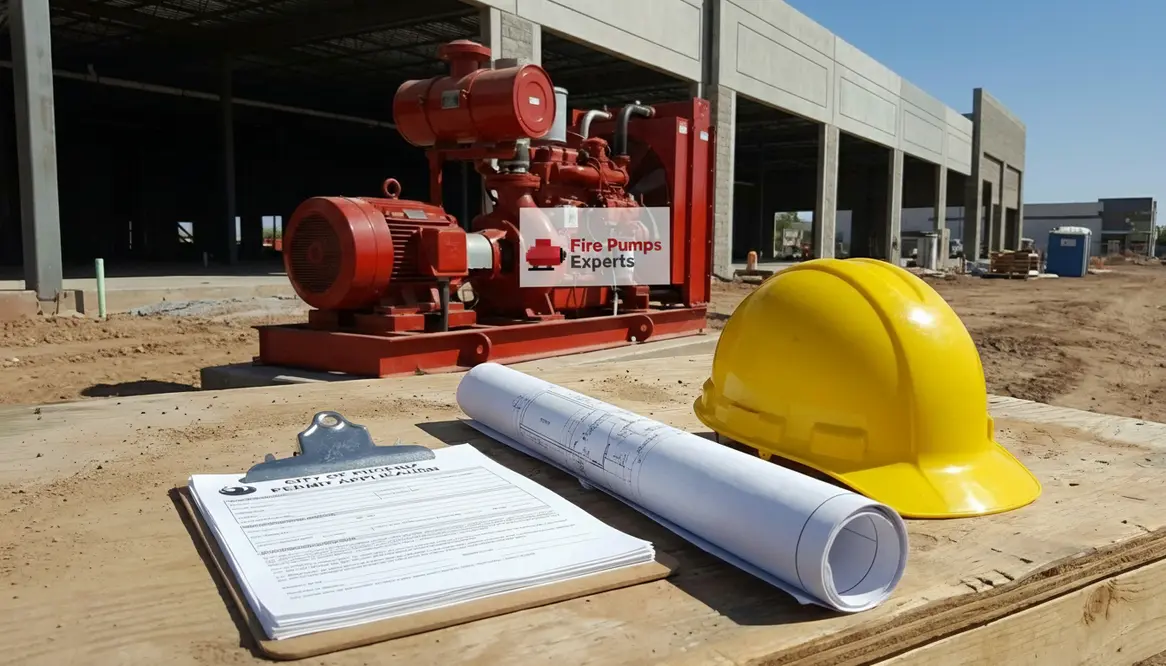
Phoenix Fire Pump Permit Process Timeline Guide
A practical walkthrough for commercial and industrial projects trying to keep fire protection permits, construction schedules, and occupancy dates all pulling in the same direction.
Introduction
I have spent a good part of my career helping large facilities prepare for something they hope they never need. Fire. Not the cozy fireplace kind either. I am talking about the kind that tests a building’s safety systems and the people responsible for them. In Phoenix, one of the most important pieces of that protection is a properly permitted fire pump system. That is where the fire pump permit process phoenix submittals approval timeline enters the conversation.
Now, if that phrase sounds about as exciting as watching paint dry in the Arizona sun, stay with me. Because once you understand how the system works, the process becomes far less mysterious. More importantly, it helps commercial property owners, industrial plants, and large facilities avoid delays that can stall construction, inspections, and ultimately occupancy.
So let me walk you through it. Slowly. Clearly. And with just enough humor to keep us both awake.
Why the permit timeline matters
When your schedule depends on a certificate of occupancy, the permit review isn’t just paperwork. It is the gatekeeper for inspections, water supply coordination, and final sign-offs. Understanding the fire pump permit process phoenix submittals approval timeline gives you a chance to plan, instead of react.
If you want a strong technical baseline for fire pump system design and maintenance in general, Kord Fire’s overview of fire pump systems and services is a useful companion reference while you plan your Phoenix project.
Fire Pump Permit Process Phoenix Submittals Approval Timeline Explained for Large Facilities
When a high rise, distribution center, manufacturing plant, or major commercial campus installs a fire pump, the City of Phoenix requires a permit review before construction begins. The reason is simple. A fire pump is not just another piece of equipment. It is the muscle behind the sprinkler system. When water pressure drops, the pump takes over and delivers the flow firefighters depend on.
Because of that responsibility, the city expects a precise engineering package during the permit phase.
What the technical review actually looks at
Typically, the review focuses on several technical areas:
- Hydraulic calculations that prove the pump can support the building’s sprinkler demand
- Equipment specifications from the manufacturer
- Room layout drawings showing clearances, valves, controllers, and power supply
- Electrical integration with emergency power systems
- Testing and commissioning procedures
Now here is the thing many project teams learn the hard way. The review is not just about compliance. It is also about clarity. If the drawings leave questions, the plan reviewer will ask them. And while that may sound obvious, I have seen submittal packages that look like they were assembled five minutes before the deadline with a cup of cold coffee and a prayer.
Needless to say, those packages rarely move through the approval line quickly.
What Documents Do Phoenix Plan Reviewers Expect First
If you want momentum during the permit review, you start with complete documentation. In my experience working with commercial and industrial projects, the strongest submissions all contain the same core elements.
Stamped engineering drawings
First comes the stamped engineering drawings. These should clearly show the fire pump room layout, suction and discharge piping, controller location, and relief valve arrangement. Phoenix reviewers want to see the entire system environment, not just the pump itself.
Hydraulic calculation package
Next comes the hydraulic calculation package. This portion proves the system can supply the required gallons per minute and pressure under worst case conditions. When calculations match the sprinkler design demand and the pump curve, reviewers gain confidence in the design.
Manufacturer data and NFPA 20 alignment
Then there are manufacturer cut sheets. These documents confirm the exact model of pump, driver, and controller. For major facilities, reviewers also check that the equipment meets NFPA 20 requirements.
Electrical coordination and emergency power
Finally, electrical coordination matters. Industrial properties often use emergency generators or redundant power feeds. Therefore the fire pump controller wiring must reflect that reality. If the electrical diagrams feel vague, the review clock tends to slow down.
Think of the package like a movie script. If the plot makes sense, everyone enjoys the story. If it does not, the audience gets confused and the director asks for rewrites.
Typical Submittals vs Common Mistakes
Strong Submittals
- Clear pump room layout with dimensions
- Full hydraulic calculations matching sprinkler demand
- Complete manufacturer data sheets
- Controller wiring diagrams
- Backflow and water supply information
Common Delays
- Missing equipment specifications
- Hydraulic numbers that do not match pump curves
- Incomplete electrical coordination
- Unclear room access or clearance issues
- Multiple drawing revisions during review
As you can see, most delays are not dramatic engineering failures. Instead they are small documentation gaps. However, even small gaps can slow down a project schedule. And construction managers tend to notice when permits stall.
Understanding the Fire Pump Permit Process Phoenix Submittals Approval Timeline
Now let us talk about time. Because for developers and facility managers, time is often the most expensive part of the project.
From intake to approval
Once a complete application enters the city system, the review generally moves through several phases. First comes intake verification. The city confirms that the permit application, fees, and documentation are complete. If something obvious is missing, the package may return before review even begins.
Next comes the technical plan review. Fire protection engineers within the city examine the hydraulic calculations, pump selection, and system configuration. They verify compliance with Phoenix Fire Code and NFPA standards.
During this phase, reviewers may issue comments or corrections. When that happens, the design team submits revised drawings that address each note.
Finally, once corrections are resolved, the permit moves toward approval and issuance.
How long does it really take?
For most commercial and industrial buildings, the fire pump permit process phoenix submittals approval timeline typically lands somewhere between two and six weeks. However, several factors can stretch or shorten that window.
- Completeness of the initial submittal
- Complexity of the building or campus
- Coordination with water supply infrastructure
- Speed of response to review comments
In other words, the timeline is partly in the city’s hands. But it is also in yours.
How I Help Large Facilities Avoid Permit Delays
Over the years, I have learned a simple truth about permitting. Preparation beats speed every time.
Before submitting a package for a large facility, I review the hydraulic calculations line by line. I compare pump curves to system demand. I check room clearances and valve placements. I also coordinate electrical requirements with the mechanical design team.
Because of that preparation, the fire pump permit process phoenix submittals approval timeline often moves smoothly. Not instantly. Government reviews rarely move at superhero speed. But smoothly enough that construction crews can keep building instead of waiting.
What a “clean” permit play looks like
And honestly, when a permit sails through review with minimal comments, it feels a little like watching a perfectly executed play in football. Everything lines up, the ball snaps, and suddenly the quarterback is running free down the field.
Except in this case, the quarterback is a fire pump drawing set. I know. Not exactly ESPN material. But in the world of commercial fire protection, it is close.
What Happens After the Permit Is Approved
Once approval arrives, the project moves into installation and inspection phases. For major commercial and industrial properties, inspectors will eventually verify several things on site.
- Proper pump installation and alignment
- Controller wiring and emergency power operation
- Pressure relief valve function
- Flow testing and acceptance testing
- Coordination with the building sprinkler system
These tests confirm that the system performs exactly as designed. After all, a fire pump is not decorative equipment. It exists for one moment of truth. And when that moment arrives, the system has to deliver.
Which is why the fire pump permit process phoenix submittals approval timeline matters more than many people realize. It sets the foundation for a system that may protect millions of dollars in property and the lives inside those facilities.
Frequently Asked Questions
To keep the fire pump permit process phoenix submittals approval timeline predictable, it helps to clear up a few questions that come up on almost every project.
Conclusion
If you are planning a fire pump installation for a major commercial or industrial facility, preparation makes all the difference. A clear design package, accurate calculations, and coordinated documentation keep the review moving and protect your project schedule.
When you understand how the fire pump permit process phoenix submittals approval timeline works, you stop treating it like a mystery and start using it as a planning tool. That shift is usually what separates projects that glide through permitting from those that spend weeks chasing corrections.
If you want guidance navigating the fire pump permit process phoenix submittals approval timeline, the team at FirePumps.org can help you move from drawings to approval with confidence. Reach out today and keep your project flowing forward.