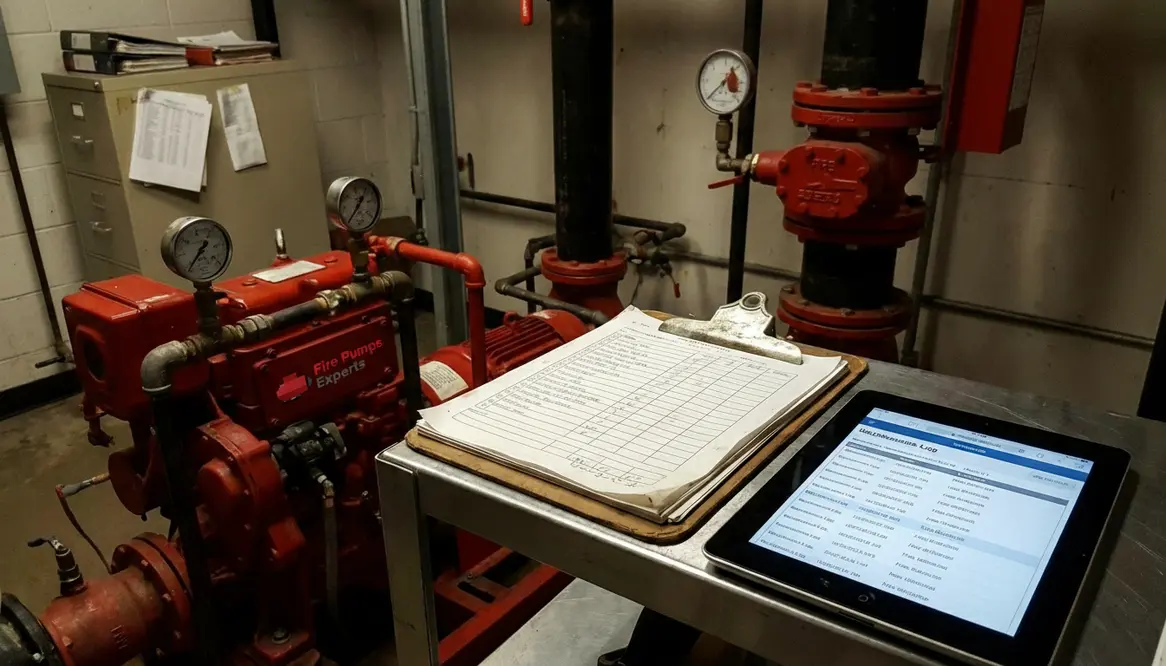
Fire Pump Inspection and Testing Requirements Dallas
Why the records behind your fire pump matter just as much as the pump itself in keeping people, property, and your reputation protected when it counts.
Introduction: Why Fire Pump Records Matter More Than Most People Think
I have walked through a lot of mechanical rooms in my life. Some spotless enough to eat lunch off the floor. Others… well, let’s just say even Indiana Jones might hesitate before opening those cabinets. Yet in every large commercial or industrial facility, one piece of equipment quietly waits for the worst day imaginable. The fire pump.
In Dallas, where high rise buildings, distribution hubs, hospitals, and industrial complexes run around the clock, the fire pump inspection and testing requirements dallas authorities enforce are not just paperwork rituals. They are proof that the system protecting thousands of people and millions in property will actually work.
However, inspections alone are not enough. What you log, how you store it, and how long you retain it matters just as much. So today I will walk you through what facility managers, safety directors, and building engineers should actually document. Think of it as a behind the scenes guide to keeping both the fire marshal and your insurance company happy. And trust me, those two rarely laugh at jokes.
Understanding Fire Pump Inspection and Testing Requirements Dallas Facility Managers Ask About
When someone asks me about fire pump compliance in Dallas, the first thing I say is simple. Inspections prove readiness. Records prove responsibility.
Large commercial and industrial properties must follow standards derived primarily from NFPA 25, which outlines inspection, testing, and maintenance of water based fire protection systems. Dallas authorities enforce these standards through local fire code oversight.
However, what often surprises facility operators is that testing alone is not the finish line. Documentation is the real backbone of compliance.
Here is what inspectors expect to see logged consistently.
Routine Visual Inspections
- Weekly or monthly pump room condition checks
- Valve position verification
- Controller status and power indicators
- Pump packing leakage observation
- General equipment condition
Operational Testing
- Weekly churn tests
- Monthly diesel engine runs
- Annual flow tests
- Controller alarm verification
- Pressure readings during operation
Supporting System Checks
- Fuel tank levels for diesel pumps
- Battery voltage readings
- Cooling system condition
- Suction and discharge gauge accuracy
- Relief valve functionality
Environmental Conditions
- Room temperature
- Flood risk or drainage concerns
- Ventilation performance
- Clear access to equipment
- Lighting conditions
In other words, inspectors want proof that someone is actually paying attention. Not once a year. Not when the insurance auditor shows up. Consistently.
And yes, sometimes that means recording details that feel painfully obvious. But as I like to say, obvious details are exactly the ones people forget.
What Exactly Should Be Logged During Fire Pump Testing?
This is where many facility teams get tripped up. They run the test, hear the pump roar to life like a muscle car at a stoplight, and think the job is done.
But the real work begins with the log sheet.
Every operational test should capture specific performance data. These numbers tell a story about the health of the pump over time.
Key data points your fire pump logs should always include:
- Suction and discharge pressure readings: These numbers confirm whether the pump is maintaining proper output. Over time, patterns begin to emerge. A slow decline in pressure can signal wear, obstruction, or developing mechanical issues.
- Run time: During weekly churn tests, most electric pumps operate for about ten minutes. Diesel driven pumps typically run longer. Logging the exact duration confirms the system ran long enough to verify stability.
- Start method: Did the pump start automatically from a pressure drop? Or did someone initiate it manually? Automatic start capability is critical because fires rarely wait for someone to flip a switch.
- Observations and alarms: Record any unusual sounds, vibrations, or alarms. Pumps are like old trucks. They usually give warning signs before something serious breaks. A strange vibration today might save you from a very expensive surprise tomorrow.
Besides, nobody wants to explain to a fire marshal that the pump “sounded weird for six months but we figured it was just having a personality day.”
How Long Should Fire Pump Records Be Retained in Dallas Facilities?
This question comes up constantly, especially for large campuses managing thousands of maintenance records.
According to NFPA guidelines typically enforced within Dallas jurisdictions, fire pump inspection and testing records should be retained for at least three years. However, many commercial and industrial operators wisely keep them longer.
Why? Because historical performance data is incredibly valuable.
- Engineering insight: It helps engineers track performance trends. A pump that slowly loses pressure over five years may need refurbishment before it fails during an emergency.
- Insurance support: Long term records strengthen insurance compliance. Insurers often request documentation following major incidents or claims.
- Legal protection: If a fire occurs and investigators ask about system reliability, detailed logs demonstrate responsible maintenance.
So while three years may satisfy minimum requirements, many facility teams store five to seven years of records digitally. Storage is cheap. Lawsuits are not.
Common Logging Mistakes I See in Large Commercial Buildings
After years of reviewing maintenance logs across warehouses, manufacturing plants, hospitals, and high rise facilities, certain patterns appear again and again.
And honestly, they are easy mistakes to avoid.
- Incomplete entries: Someone writes “tested pump” and calls it a day. That tells an inspector absolutely nothing. Data matters.
- Missing signatures: Every inspection should identify who performed it. Accountability keeps systems reliable.
- Inconsistent schedules: Weekly tests should happen weekly. Not whenever someone remembers between coffee breaks.
- Lost paper records: Mechanical rooms have a habit of swallowing logbooks. Digital recordkeeping prevents that mysterious disappearance.
- Ignored warning signs: Slight pressure drops, unusual noise, or slow starting times often appear in logs long before equipment fails. However, if nobody reviews the data, the logs become little more than decoration.
Think of the logs as the black box of your fire protection system. They quietly capture the truth about how the system behaves.
Fire Pump Inspection and Testing Requirements Dallas Compliance Strategies for Large Facilities
Meeting the fire pump inspection and testing requirements dallas inspectors enforce becomes much easier when facilities build a clear routine.
I recommend three practical strategies for large commercial and industrial properties.
- Assign clear ownership: Someone must be responsible for the fire pump program. When everyone owns it, nobody owns it.
- Standardize logging procedures: Use consistent forms that capture pressure readings, run time, environmental conditions, and technician notes. Consistency helps reveal long term trends.
- Integrate with preventive maintenance: Instead of treating fire pumps as isolated equipment, fold them into broader mechanical system management so that fire pump inspection and testing requirements dallas teams must meet are aligned with other critical systems.
And of course, periodic professional testing ensures accuracy. Annual flow testing especially requires specialized equipment and expertise. For deeper guidance on how NFPA standards shape pump performance and testing practices, many facilities study detailed resources like the NFPA 20 overview of fire pump design, installation, and compliance from experts such as Kord Fire Protection’s NFPA 20 fire pump system guide.
When these pieces work together, compliance becomes routine rather than stressful. The pump runs. The logs stay clean. And the fire marshal nods approvingly instead of raising an eyebrow like a skeptical movie detective.
FAQ: Fire Pump Inspection and Recordkeeping
Below are some of the most common questions facility managers ask when lining up their internal procedures with fire pump inspection and testing requirements dallas officials enforce.
Conclusion
Fire pumps sit quietly for years waiting for the one moment they must perform flawlessly. That is why accurate testing, detailed logs, and proper record retention matter so much for large commercial and industrial facilities. When you treat documentation as part of the equipment, meeting fire pump inspection and testing requirements dallas enforces becomes a built-in habit instead of a last-minute scramble before an audit.
If your property needs guidance navigating fire pump documentation, testing schedules, or compliance with Dallas regulations, the team at firepumps.org can help ensure your system is ready long before the emergency ever arrives.