Fire Pump Inspection and Testing Requirements Boston
How Boston facilities can keep their quiet mechanical-room hero ready for the one day it truly matters.
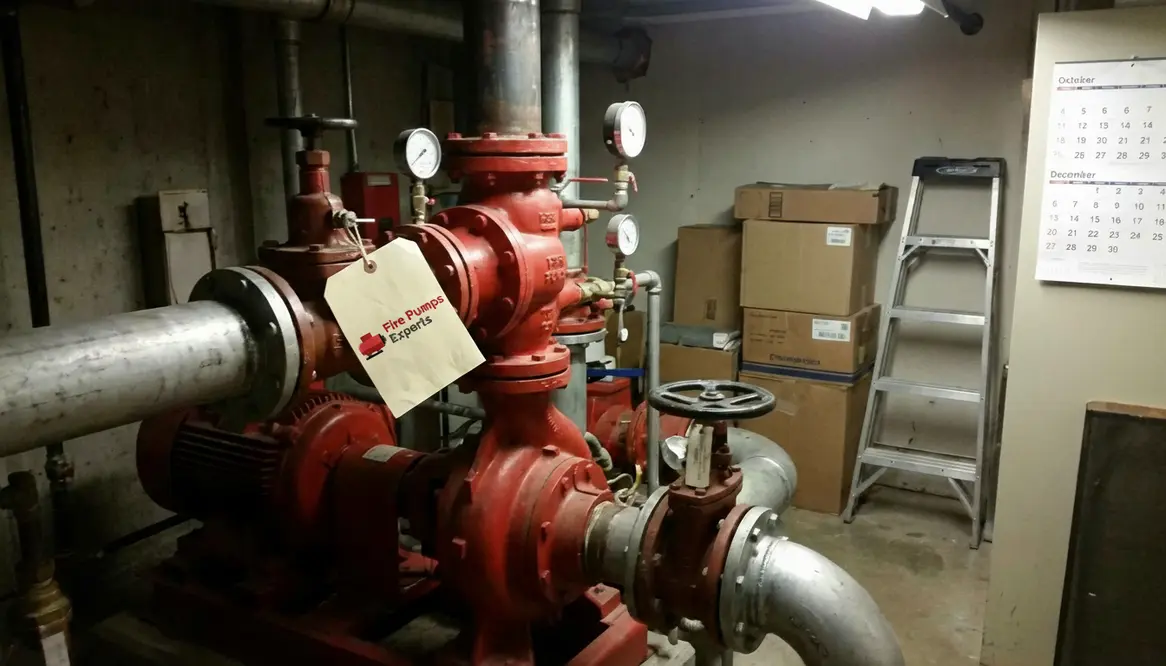
I have spent enough time in mechanical rooms to know one thing for certain. A fire pump is the quiet hero of a building. It sits there like a bouncer at the club door. Calm, patient, and ready to throw water at trouble the moment things get ugly. In Boston, however, that hero cannot simply exist and hope for the best. Local codes require structured inspection, testing, and maintenance. And yes, the fire pump inspection and testing requirements boston facilities must follow are very specific.
Commercial towers, hospitals, universities, manufacturing plants, and large property portfolios all rely on fire pumps to keep water pressure where it needs to be when sprinklers activate. Therefore, the city expects owners and facility managers to follow strict ITM schedules and maintain records that prove everything works. Think of it as a health checkup schedule. Ignore it, and eventually someone important notices.
Today I will walk you through how the inspection and testing calendar works, what Boston inspectors expect to see in your records, and why staying organized can save you money, headaches, and a few awkward conversations with the fire marshal.
Understanding Fire Pump Inspection and Testing Requirements Boston Facilities Must Follow
Boston follows NFPA 25 as the backbone for fire pump inspection, testing, and maintenance. However, the Boston Fire Department and local AHJ enforce these rules with a level of seriousness that would make a drill sergeant proud. Consequently, facility teams need a structured approach.
The goal is simple. Ensure the pump starts, runs, and delivers pressure when needed. Yet the path to that goal involves several layers of routine checks that all roll up into the broader fire pump inspection and testing requirements boston expects you to respect.
The Four Layers of Oversight Most Boston Properties Need
Weekly Visual Checks
- Confirm pump room temperature
- Check for leaks or unusual vibration
- Verify controller power and status
- Ensure valves remain open and sealed
Monthly Operational Reviews
- Churn test verification
- Diesel fuel level checks if applicable
- Battery voltage and charger inspection
- Pump room condition review
Weekly or Monthly Run Tests
- Electric pumps typically run weekly
- Diesel pumps run weekly for about 30 minutes
- Pressure readings are documented
Annual Flow Testing
- Full performance test at rated capacity
- Verification of pump curve performance
- System pressure analysis
Now, here is the key detail. Boston inspectors expect consistency. Missing even a few weeks of pump run logs can raise questions. And trust me, no one wants to explain missing data to a fire inspector who skipped coffee that morning.
The ITM Calendar I Recommend for Large Commercial Buildings
Whenever I help facilities build their ITM program, I start with a structured calendar. Because without one, tasks drift. And when tasks drift, inspections become guesswork.
Instead, the most successful property teams treat their fire pump like mission critical infrastructure. Which it is. That mindset is what separates last-minute scramble from quiet confidence when Boston checks that you are meeting all fire pump inspection and testing requirements boston applies to your occupancy type.
Weekly Tasks
- Start pump automatically
- Record suction and discharge pressure
- Check packing glands and seals
- Inspect pump room conditions
- Verify controller status
Monthly and Annual Tasks
- Inspect relief valves
- Review fuel systems for diesel pumps
- Test alarms and supervisory signals
- Conduct annual flow testing
- Perform full system inspection
Moreover, coordinating these tasks with sprinkler inspections simplifies life. Large facilities often align ITM schedules so contractors can verify pumps during broader system checks.
After all, when systems work together, the building stays safer. Also, your maintenance team gets fewer late night emergency calls. And nobody enjoys those. Especially during a Patriots game.
What Records Boston Fire Inspectors Expect to See
Testing a fire pump is only half the job. The other half lives in documentation.
Boston inspectors rely heavily on records to verify compliance with the fire pump inspection and testing requirements boston properties must maintain. Without logs, tests might as well not have happened.
Therefore, every major commercial property should maintain detailed records that include:
- Date and time of each pump run
- Pressure readings during churn tests
- Controller alarms or alerts
- Fuel levels for diesel pumps
- Annual flow test results
- Maintenance repairs and part replacements
Additionally, these records must remain accessible for several years. Many facilities now store them digitally, which helps during audits. Instead of digging through binders like a detective in an old crime movie, managers can pull up reports instantly.
And yes, inspectors do notice when documentation looks organized. It sends a simple message. This building takes life safety seriously.
Why Annual Flow Testing Matters More Than People Think
If weekly tests are routine checkups, annual flow testing is the full physical.
This test pushes the pump to its rated capacity. It confirms that the pump can deliver the required gallons per minute while maintaining proper pressure. Without this test, a pump might start perfectly but fail under real fire demand.
I have seen pumps that looked flawless during weekly runs but struggled during full load testing. Often the cause involves:
- Worn impellers
- Hidden pipe obstructions
- Undersized suction supply
- Controller calibration issues
During a professional flow test, technicians open test headers or flow meters to simulate sprinkler demand. Meanwhile, they measure pressure across several flow points.
Then they compare those results against the original pump curve.
If numbers fall outside acceptable ranges, corrective action begins. Because discovering a problem during testing is far better than discovering it during an actual fire. That situation tends to ruin everyone’s day.
How I Keep Large Facilities Compliant Without Chaos
When managing fire protection for large properties, organization beats heroics every time.
I recommend building a three layer compliance strategy.
Layer One. Predictable Scheduling
Every ITM task should live inside a digital calendar system. Automated reminders ensure weekly runs never slip through the cracks and keep you aligned with the core fire pump inspection and testing requirements boston has laid out in adopted NFPA standards and local amendments.
Layer Two. Consistent Service Partners
Experienced fire pump contractors understand local enforcement expectations. They also provide calibrated equipment during annual tests and can help you interpret trends in pressure, flow, and start-up data before they become expensive problems.
Layer Three. Centralized Documentation
All inspection records should live in one digital location accessible to facility leadership.
As a result, when inspectors arrive, the conversation becomes smooth and professional. Instead of scrambling for paperwork, you simply pull up your records.
And honestly, that moment feels pretty satisfying. A bit like handing in homework you actually finished early. Rare, but beautiful.
FAQ About Fire Pump Inspection and Testing in Boston
Facility teams across the city tend to ask the same core questions about the practical side of meeting fire pump inspection and testing requirements boston enforces. Here are clear, straightforward answers.
Keeping Your Boston Facility Ready for the Next Inspection
Fire pumps protect the people, operations, and investments inside major buildings across Boston. When the inspection schedule, testing program, and documentation system work together, compliance becomes routine instead of stressful.
If your commercial or industrial property needs help aligning with local expectations, leaning on a full-service fire protection partner is one of the simplest ways to take control of your program. Providers like Kord Fire Protection, who support diesel and electric fire pumps, weekly and monthly churn testing, and integrated fire sprinkler services across multiple regions, understand how to keep pump performance, ITM schedules, and reporting moving in the same direction. You can learn more about their fire pump capabilities here: Kord Fire Protection fire pump and system services.
When you have a clear plan for meeting every part of the fire pump inspection and testing requirements boston applies to your facility, your pump stops being a source of anxiety and goes back to being what it was always meant to be: a calm, quiet bouncer in the mechanical room, ready to react instantly if the night ever goes sideways.