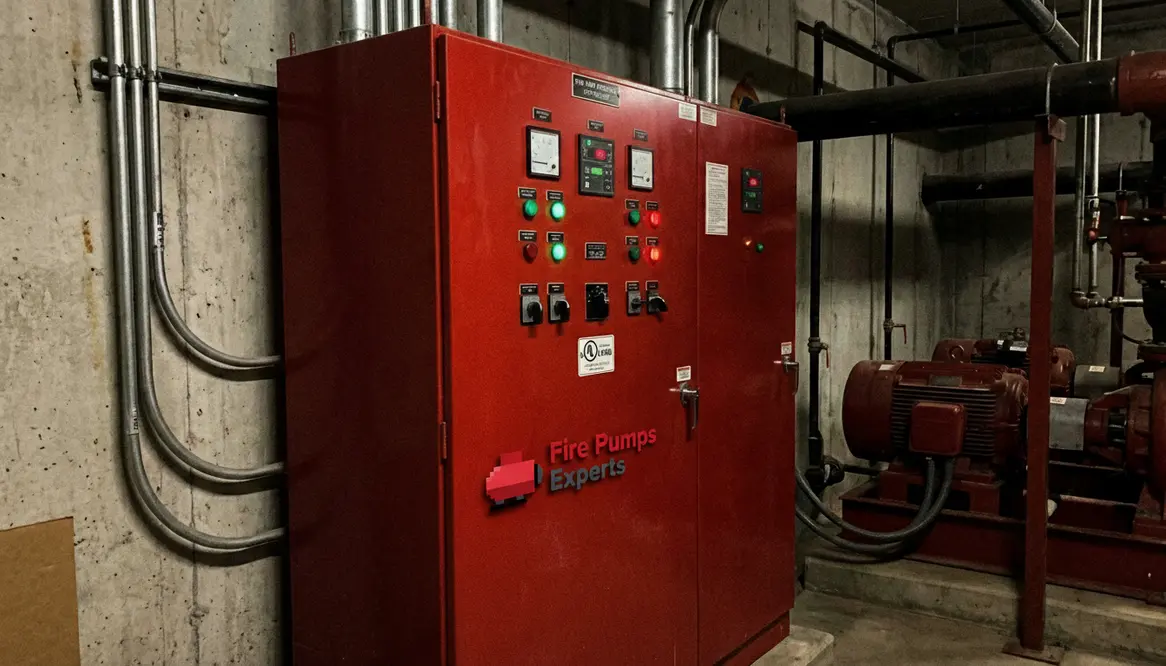
UL 218 Fire Pump Controller Compliance Washington DC
I have spent years around mechanical rooms that hum like quiet power plants. If you stand there long enough, you start to understand that fire protection systems are not just equipment. They are promises. Promises that when something goes wrong, the building fights back.
That promise depends on one small but powerful piece of equipment. The fire pump controller. And in Washington, DC, where commercial towers, hospitals, universities, and federal facilities demand strict oversight, the conversation inevitably leads to ul 218 fire pump controller procurement compliance washington dc.
Now I know what you might be thinking. Fire pump controllers are not exactly the stuff of Hollywood blockbusters. No one is pitching Fast and Furious 12: The Controller Listing. However, when you manage large commercial properties, data centers, or industrial campuses, this topic becomes very real. A compliant controller determines whether your fire pump starts instantly or sits there like a sleepy teenager hitting the snooze button.
So today I want to walk you through how I approach procurement, compliance, and long term reliability in DC. Slowly. Clearly. And maybe with a small laugh or two along the way.
Understanding UL 218 fire pump controller procurement compliance Washington DC
Before I ever approve a controller purchase, I start with one simple principle. Listing matters.
UL 218 is the standard that governs fire pump controllers. It confirms that the controller has passed testing for reliability, safety, and performance under demanding conditions. In other words, it proves the device can perform when everything around it is falling apart.
However, in Washington, DC the stakes climb even higher. Many commercial properties fall under strict local enforcement of the International Fire Code and NFPA 20. Because of that, facility engineers, contractors, and property managers must verify that the controller meets both national standards and local authority expectations.
When I review procurement plans, I always consider three layers of compliance.
1. National listing verification
The controller must carry a legitimate UL 218 listing. That certification ensures it passed electrical safety tests, fault simulations, and operational endurance trials.
2. NFPA 20 compatibility
NFPA 20 governs the installation of fire pumps. Controllers must integrate correctly with pump drivers, alarms, transfer switches, and monitoring systems to stay aligned with ul 218 fire pump controller procurement compliance washington dc requirements.
3. Local AHJ expectations
Washington DC inspectors often review equipment documentation closely. Therefore I always confirm that submittals, labeling, and installation instructions align with what inspectors expect and with the overall strategy for ul 218 fire pump controller procurement compliance washington dc.
And yes, sometimes the paperwork stack can feel like a season of Game of Thrones. Endless documents, many players, and someone always gets surprised by an inspector at the end.
Still, when procurement teams get these layers right, approvals move smoothly and systems perform the way they should.
How I evaluate fire pump controllers for large commercial properties
Not every UL listed controller performs the same in the field. That is something I learned early in my career.
When I evaluate controllers for large facilities such as hospitals, data centers, or high rise office towers, I focus on practical performance. The controller must work flawlessly in real mechanical rooms where heat, vibration, and electrical noise are everyday realities.
Several factors guide my decisions.
Motor compatibility
Controllers must match the pump driver. Electric motor controllers differ significantly from diesel controllers. Therefore, I verify voltage ratings, starting methods, and load capacity early in the procurement process.
Reliability of start sequence
Fire pumps must start immediately when pressure drops. Good controllers use simple logic and proven relays. Fancy features are nice, but reliability wins every time.
Service accessibility
Technicians must reach components easily. If a cabinet looks like it was designed by someone who hates maintenance staff, I move on.
Monitoring and integration
Modern commercial properties often connect controllers to building management systems. Clear alarm outputs and monitoring signals help facility teams respond quickly and support consistent ul 218 fire pump controller procurement compliance washington dc across campuses and portfolios.
Meanwhile, I always remind building owners that the cheapest option often becomes the most expensive. A poorly built controller can trigger nuisance alarms, inspection failures, or downtime during emergencies.
And trust me, nothing ruins a property manager’s week faster than an unexpected fire pump failure during a city inspection.
Common compliance mistakes I see in Washington DC facilities
Over time I have noticed patterns. Some mistakes appear again and again across large commercial buildings.
Fortunately, they are easy to avoid once you know what to look for.
Controllers purchased without verified listing documentation
Sometimes procurement teams assume a controller is compliant because it “looks right.” Unfortunately inspectors want proof. UL certification documents must be available.
Improper installation conditions
Controllers require proper clearances, environmental protection, and electrical connections. When mechanical rooms get crowded, these details sometimes slip.
Incomplete testing procedures
Commissioning matters. Inspectors in Washington DC often expect full operational tests, including pressure start signals and alarm verification.
Disconnected monitoring signals
Some facilities install controllers correctly but fail to connect supervisory signals to the fire alarm system. That oversight creates compliance issues during inspections and undercuts the effort you put into ul 218 fire pump controller procurement compliance washington dc on the front end.
These mistakes rarely happen because people do not care. Usually teams are juggling construction deadlines, contractor schedules, and regulatory requirements all at once.
Still, catching these issues early makes life much easier later.
What commercial facility managers usually ask about UL 218 fire pump controller procurement compliance Washington DC
Over the years, facility managers often ask the same practical questions. I appreciate those conversations because they show a real commitment to safety and reliability.
How early should we specify controllers in a project?
As early as possible. Early specification ensures the pump, controller, and electrical systems align before construction begins.
Should controllers support remote monitoring?
Yes. Large facilities benefit from immediate alerts when alarms occur. Remote monitoring speeds response times.
Is redundancy necessary?
For critical properties like hospitals or data centers, redundancy protects operations during equipment failure.
Do inspectors review controller labeling?
Absolutely. Inspectors often verify UL labels, model numbers, and documentation during acceptance testing.
How often should controllers be tested?
NFPA 25 outlines inspection and testing schedules. Most facilities perform weekly or monthly operational checks.
Can older controllers remain in service?
Yes, if they function properly and meet current inspection standards. However upgrades often improve monitoring and reliability.
Think of it this way. The controller is the brain of the fire pump system. And like any brain, it benefits from clear communication and regular checkups.
Procurement strategies that make inspections easier
I always encourage procurement teams to think beyond the purchase order. Equipment selection should support long term inspection success.
First, I work closely with engineers during the design phase. When specifications clearly define UL listing requirements and NFPA compatibility, contractors know exactly what to purchase.
Next, I verify documentation before equipment arrives onsite. Submittal reviews should confirm model numbers, certification markings, and electrical characteristics.
After installation, I focus heavily on commissioning. Controllers must undergo operational testing with the pump system. This includes pressure drop activation, alarm signals, and manual start functions.
Finally, I make sure facility staff understand the equipment. Training matters. A well trained maintenance team can detect small issues before they become serious problems.
Besides, mechanical rooms can feel intimidating to new staff. Panels blink, relays click, and somewhere in the background a pump waits patiently. With the right training, however, those rooms start to feel less like a sci fi movie and more like a well organized control center that quietly reflects solid ul 218 fire pump controller procurement compliance washington dc choices.
If your team needs help with the ongoing health of your pump systems, partnering with specialists who focus on fire pump inspection, testing, and maintenance can be invaluable. Providers like Kord Fire’s dedicated fire pump service team help keep those controllers, pumps, and related components ready for the moment they are needed.
FAQ: Fire Pump Controller Compliance
Facility teams often bring up similar questions when they start tightening their approach to ul 218 fire pump controller procurement compliance washington dc. Those questions deserve clear, direct answers.
Final Thoughts for DC Facility Leaders
Fire protection decisions carry real weight. If you manage a commercial tower, industrial facility, hospital, or large campus in Washington DC, the right controller keeps your fire pump ready when seconds matter. Our team helps facility leaders navigate listing verification, procurement planning, and inspection readiness. If you want guidance that keeps systems compliant and dependable, connect with us at firepumps.org and let’s make sure your protection system performs exactly when it should.