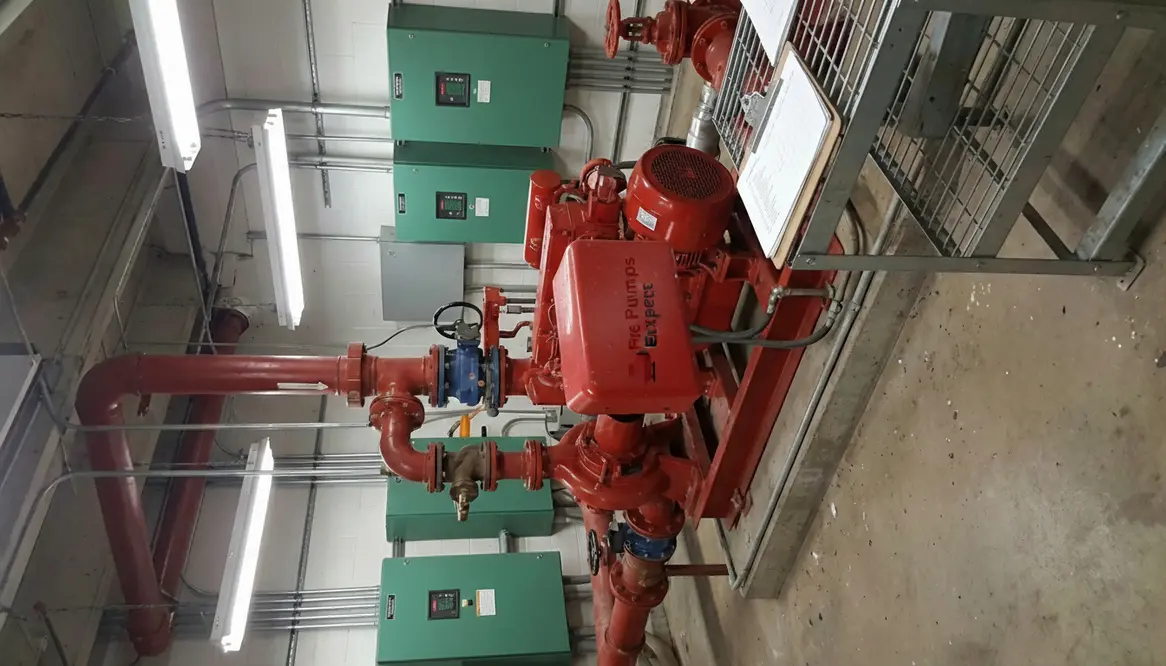
Detroit Fire Pump Permit Process and Review Notes
I have spent a fair amount of time navigating permits for fire protection systems, and if there is one process that consistently sparks questions, it is the fire pump permit process Detroit typical submittals review notes. For commercial and industrial buildings in Detroit, the permit path for a fire pump is not just paperwork. It is a structured review designed to protect major facilities, large properties, and the people inside them.
At first glance, the process can feel like standing in line at the DMV while holding a stack of engineering drawings thick enough to stop a door from closing. However, once you understand what the city expects, the process becomes far more predictable. In this guide, I will walk through how Detroit typically reviews fire pump permits, what documentation inspectors look for, and how to avoid the most common review comments that slow projects down.
Why this process matters
- Directly impacts life safety and property protection
- Affects schedule and turnover for major projects
- Forces real coordination between engineering disciplines
- Reveals whether the fire protection concept truly works
Understanding the fire pump permit process Detroit typical submittals review notes can be the difference between a smooth approval and a project stuck in limbo.
Understanding the Role of Fire Pump Permits in Detroit
When I start a project involving a fire pump in Detroit, I remind clients that the permit is more than a formality. A fire pump supports the entire fire protection system inside a commercial or industrial building. If the pump fails during an emergency, the sprinkler system becomes little more than decorative piping.
Because of that risk, the city requires a detailed permit review before installation begins. The permit review focuses on several key elements.
- System design compliance with NFPA standards
- Hydraulic performance of the fire pump
- Electrical coordination and emergency power
- Mechanical layout and room requirements
- Integration with the building fire protection system
However, Detroit reviewers do not simply glance at the drawings and nod politely. Instead, they examine how the pump interacts with the entire facility. Large commercial properties, manufacturing plants, warehouses, and high rise buildings receive particular attention because their risk profile is higher.
Consequently, a complete submittal package saves weeks of review time. Missing information, on the other hand, can trigger review comments that bounce the project back to the design team. Think of it like a tennis match, except no one enjoys the rally.
What Documents Are Required for a Detroit Fire Pump Permit Submission?
Most people assume a fire pump permit only requires a pump specification sheet. That assumption is about as accurate as saying a Marvel movie only needs one superhero.
In reality, Detroit reviewers expect a detailed package that explains how the pump will operate within the building’s fire protection system.
Typical permit submittals include:
- Engineered fire protection drawings stamped by a licensed professional
- Hydraulic calculations for the sprinkler system
- Fire pump manufacturer data sheets
- Pump curve and performance specifications
- Controller specifications
- Electrical single line diagrams
- Room layout drawings with clearances
- Water supply test results
- Backflow preventer information
- Equipment cut sheets
Additionally, Detroit expects coordination between disciplines. The fire protection engineer, mechanical engineer, and electrical engineer all play a role. If those designs conflict with one another, reviewers will spot it quickly.
For example, I once saw a design where the electrical room and the fire pump room were competing for the same square footage. It was like two heavyweight fighters trying to occupy the same corner of the ring. Needless to say, that plan came back with a review comment the size of Detroit itself.
Therefore, coordination during design saves time later.
Fire Pump Permit Process Detroit Typical Submittals Review Notes Explained
Once drawings are submitted, the city review begins. The fire pump permit process Detroit typical submittals review notes often highlight the same technical areas again and again. After reviewing dozens of projects, patterns become clear.
Below are the review categories that most frequently generate comments.
Hydraulic calculations
Reviewers verify that the fire pump capacity matches the sprinkler demand. Calculations must clearly show the water supply, system demand, and safety margin. If the math feels vague or incomplete, reviewers will request clarification.
Fire pump room layout
Detroit enforces clear space requirements around fire pumps and controllers. The room must allow proper maintenance access. Additionally, fire rated construction and drainage requirements must appear on the plans.
Electrical power supply
Electric fire pumps require reliable power. Therefore reviewers check transfer switches, feeder protection, and controller wiring. If emergency power applies, the design must clearly show generator coordination.
Water supply conditions
Test data for the municipal supply must be recent and clearly documented. Reviewers want proof that the fire pump will perform under actual conditions, not theoretical ones.
Controller and alarm integration
Fire alarm systems must monitor pump status signals. These signals include pump run, phase reversal, and trouble conditions.
When these areas appear clearly in the drawings, review cycles move faster. When they do not, the permit process slows down like traffic during a Detroit snowstorm.
Common Review Comments I See on Detroit Fire Pump Plans
Even experienced engineering teams occasionally receive review comments. That is normal. However, many of the comments I see are surprisingly avoidable.
Here are several common issues that appear during plan review.
- Missing pump test header details
- Insufficient clearance around equipment
- Hydraulic calculations missing safety factors
- Water supply test data older than one year
- Controller wiring diagrams not provided
- Conflicts between mechanical and fire protection layouts
Additionally, reviewers often request clarification when drawings lack clear labeling. In other words, the plan reviewer should not have to play detective.
Whenever I prepare a submittal, I imagine the reviewer reading the drawings at the end of a long day. If something feels confusing, it probably is. Clear documentation saves everyone time.
Design and Submittal Coordination for Large Commercial Facilities
Detroit contains major manufacturing plants, large distribution centers, hospitals, and high rise commercial buildings. These facilities depend heavily on reliable fire protection infrastructure.
Because of that scale, coordination between teams becomes critical.
Design team responsibilities
- Verify pump sizing using actual hydraulic demand
- Coordinate pump room dimensions with architects
- Confirm electrical load requirements
- Provide complete equipment specifications
- Ensure sprinkler system demand matches pump performance
Permit review expectations
- Clear stamped engineering drawings
- Accurate hydraulic calculation packages
- Full equipment cut sheets
- Code references aligned with NFPA standards
- Detailed pump room layout drawings
When these responsibilities align, permits move through the city review far faster. On the other hand, poor coordination can stall a project for weeks. And in commercial construction, weeks translate into serious costs.
Frankly, developers rarely enjoy explaining permit delays to investors. That conversation tends to feel about as fun as explaining the plot of Inception to someone who has not had coffee yet.
How I Prepare a Permit Package That Moves Through Review Faster
Over time, I developed a simple approach that keeps Detroit reviewers happy and projects moving forward.
First, I confirm the water supply data early. Without that information, the entire pump design becomes guesswork.
Next, I coordinate closely with electrical engineers. Fire pump controllers require specific power configurations, and those details must appear clearly on the permit drawings.
Then, I double check room layout drawings. Adequate space around the pump matters for maintenance, testing, and inspection.
Finally, I submit a complete equipment package. Every component from the pump to the controller should include manufacturer data sheets.
When all those elements appear in the submission, the review process becomes smoother. The permit reviewer can quickly confirm compliance rather than requesting additional documentation. This is where a clear understanding of the fire pump permit process Detroit typical submittals review notes really pays off.
Fire Pump Permit Process Detroit Typical Submittals Review Notes for Complex Buildings
Some Detroit projects bring additional complexity. High rise towers, large industrial campuses, and data centers often require enhanced fire pump systems.
For these facilities, the fire pump permit process Detroit typical submittals review notes often focus on redundancy and reliability.
Reviewers may evaluate:
- Backup fire pump arrangements
- Generator supported power systems
- Pressure maintenance pump integration
- Large diameter suction piping
- Seismic anchorage requirements
Additionally, large campuses sometimes include multiple fire pumps serving different zones. In these cases, reviewers verify that each pump operates independently while supporting the broader fire protection network.
These projects demand detailed documentation. However, once approved, they provide robust protection for thousands of occupants and millions of dollars in property.
That level of protection is the entire point of the permit process.
FAQ
Conclusion
The fire pump permit journey in Detroit does not have to feel mysterious or frustrating. When drawings are coordinated, calculations are clear, and documentation is complete, approvals move far more smoothly. Understanding how the fire pump permit process Detroit typical submittals review notes are generated gives project teams a roadmap for better submittals and fewer surprises.
If your commercial or industrial facility needs expert guidance through design, submittals, and review coordination, teaming with specialists who live in this world every day can make a measurable difference. For a deeper look at how core standards shape compliant systems, resources such as the NFPA 20 overview at Kord Fire Protection offer valuable context that aligns closely with the expectations of Detroit plan reviewers.