Detroit Fire Pump Modernization Drivers Controllers
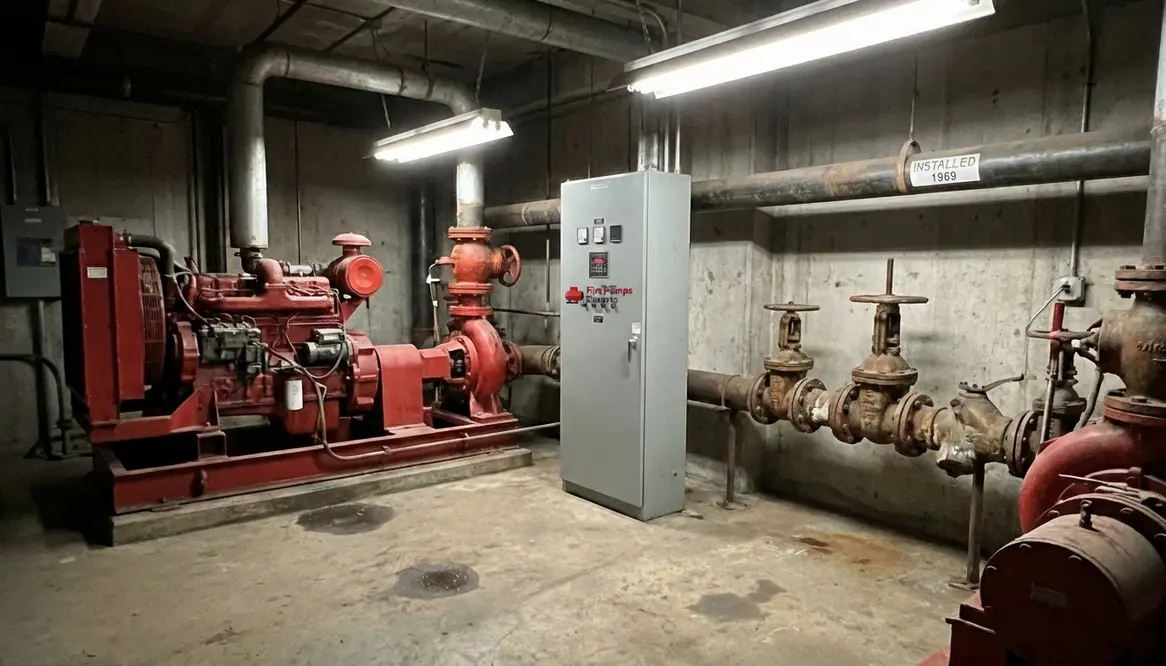
I have spent years walking through mechanical rooms in Detroit. Some are spotless. Others look like a time capsule from 1987, complete with humming equipment that sounds like it belongs in a scene from Back to the Future. And somewhere in the corner sits the fire pump system, quietly waiting for the worst day a building could face.
That is why conversations about fire pump modernization detroit upgrade drivers controllers valves have become far more common in recent years. Owners of hospitals, factories, distribution centers, and high rise commercial properties are realizing something important. Fire protection equipment does not simply age. It slowly drifts away from the reliability standards modern codes expect.
So today I want to walk you through how I evaluate aging systems in large facilities across Detroit. When should a driver be replaced? When does a controller become outdated? And when do valves quietly become the weakest link in the room? Pull up a chair. This story starts in the mechanical room.
Why aging fire pump systems quietly become a risk
In large commercial and industrial buildings, fire pumps are like the bass player in a band. Nobody cheers for them until they disappear. Then suddenly everyone notices.
Many Detroit facilities installed their pumps in the 1980s, 1990s, or early 2000s. At the time, the equipment met code. It worked well. However, time changes things.
First, electrical components age. Contactors wear down. Circuit boards slowly degrade. Meanwhile, manufacturers discontinue parts. When a controller fails, replacement parts can become as rare as a VHS repair shop.
Second, mechanical wear creeps in. Valves may still turn, but they may no longer seal perfectly. Over time that reduces system reliability during emergency flow conditions.
Finally, codes evolve. NFPA standards update regularly, and insurance carriers often push for compliance with newer safety expectations. As a result, a system that once passed inspection might now fall short of modern performance standards.
For facility managers responsible for millions of dollars in assets, that gap matters. Quite a lot.
How I evaluate fire pump modernization Detroit upgrade drivers controllers valves
When I walk into a pump room in a Detroit commercial property, I look at three components first. Drivers, controllers, and valves. These three elements determine whether a system responds instantly when a fire event demands water pressure.
Here is how I break it down.
Drivers
- Diesel engines or electric motors powering the pump
- Wear patterns and maintenance history
- Starting reliability during weekly tests
- Age relative to manufacturer support
Controllers and Valves
- Controller electronics and alarm systems
- Compatibility with current monitoring tech
- Condition of control valves and check valves
- Ability to isolate and service sections safely
However, I never treat these components in isolation. The system must function as one coordinated machine. A powerful pump driver means little if a sticky valve slows water flow. Likewise, a modern controller cannot compensate for an engine that refuses to start.
Think of it like assembling the Avengers. Great heroes individually, but the magic happens when the team works together.
When upgrading drivers becomes the smartest move
The driver is the muscle of the fire pump system. Without it, the pump is little more than a heavy metal decoration.
In Detroit’s industrial and commercial properties, I typically recommend evaluating driver upgrades after about twenty years. Not because the equipment always fails at that age, but because reliability begins to drift.
Diesel driver warning signs
- Delayed or inconsistent startup during weekly testing
- Cooling system issues
- Fuel system component wear
- Manufacturer support becoming limited
Electric driver reliability clues
- Frequent breaker trips
- Excess vibration during operation
- Electrical insulation aging
Additionally, newer driver systems often improve efficiency and monitoring. Many integrate seamlessly with modern building management systems. Facility teams can see alarms immediately rather than discovering them during a monthly inspection.
And honestly, when a driver upgrade eliminates that suspicious grinding noise that sounds like a coffee grinder fighting for its life, everyone sleeps better.
Controllers and valves often age faster than owners expect
If drivers provide strength, controllers provide the brain. They detect pressure drops, start the pump, and manage system operation during emergencies.
Unfortunately, older controllers often rely on outdated electronics. Some units still use relay logic that resembles the control panels inside vintage arcade machines. Nostalgic perhaps, but not ideal for modern reliability.
Controller replacement triggers
- Parts are no longer manufactured
- Fault alarms appear inconsistently
- Monitoring integration is impossible
- Testing reveals delayed pump activation
Why valves deserve as much attention as drivers
Valves deserve equal attention. I have seen beautiful pump rooms with immaculate motors and controllers, yet a corroded control valve quietly undermines the entire system.
Gate valves, butterfly valves, and check valves must operate smoothly and seal correctly. If corrosion, internal wear, or mechanical stiffness appears, replacement becomes a wise investment.
In large Detroit facilities like distribution centers and manufacturing plants, water flow demands during fire events are massive. Even minor valve restrictions can reduce pressure where it matters most.
What Detroit facility managers often ask me about modernization
Most building owners share the same goal. They want reliability without unnecessary spending. Fortunately, modernization does not always require replacing the entire system.
Sometimes a targeted plan works better.
For example, upgrading controllers first can dramatically improve monitoring and diagnostics. Meanwhile, a driver replacement may follow during the next capital planning cycle.
However, the most effective projects approach the system as a long term reliability strategy. In many Detroit high rise buildings and industrial plants, modernization happens in phases across several years.
This approach spreads cost while steadily increasing system performance.
When clients ask about fire pump modernization detroit upgrade drivers controllers valves, I usually remind them of a simple truth. The goal is not to chase shiny equipment. The goal is dependable water flow when seconds matter.
Because when the alarms sound, nobody wants a mechanical room full of antiques trying their best.
If you are planning a phased approach, it helps to understand how your fire pump interacts with the rest of the protection system. Resources like the fire pump service guides at Kord Fire Protection can help building teams frame the conversation around performance, risk, and long term reliability instead of just reacting to the next failure.
Practical steps for fire pump modernization Detroit upgrade drivers controllers valves
If you are staring at a mechanical room that looks older than your building engineer, it helps to turn “modernization” into a practical checklist. That is where a structured plan for fire pump modernization Detroit upgrade drivers controllers valves becomes useful instead of overwhelming.
Step 1: Document what you really have
Start with an honest inventory. Record model numbers, installation dates if known, test results, and any recurring issues. The goal is not to create art; it is to capture enough detail so you can have a focused discussion with your fire protection contractor and risk team.
Step 2: Compare performance against current expectations
Next, compare your driver performance, controller behavior, and valve operation against current codes, manufacturer recommendations, and insurance expectations. This is often where the gap between “it runs” and “it performs reliably under stress” shows up.
Step 3: Prioritize upgrades by risk, not just age
Age matters, but failure impact matters more. A controller that cannot reliably start the pump is a higher priority than a slightly noisy motor that still passes performance tests. When planning fire pump modernization Detroit upgrade drivers controllers valves, focus first on components that directly affect starting, flow, and monitoring.
Step 4: Build a realistic capital plan
Finally, map upgrades over a three to seven year window. That allows you to replace the highest risk items first while aligning major replacements with budget cycles. A thoughtful plan beats a panicked emergency purchase every time.
FAQ
Building reliability before the emergency arrives
Every pump room tells a story about a building’s priorities. Some show careful planning and proactive upgrades. Others reveal equipment pushed well past its prime. If you manage a commercial or industrial property in Detroit, now is the time to evaluate your system. Our team at FirePumps.org helps facilities plan smart upgrades that protect people, property, and operations. Reach out today and let us help you build a fire protection system ready for whatever tomorrow brings.