Portland Oregon Fire Pump Inspection and Testing Guide
Fire Pump Inspection and Testing Requirements Portland Oregon: An Owner Focused Checklist
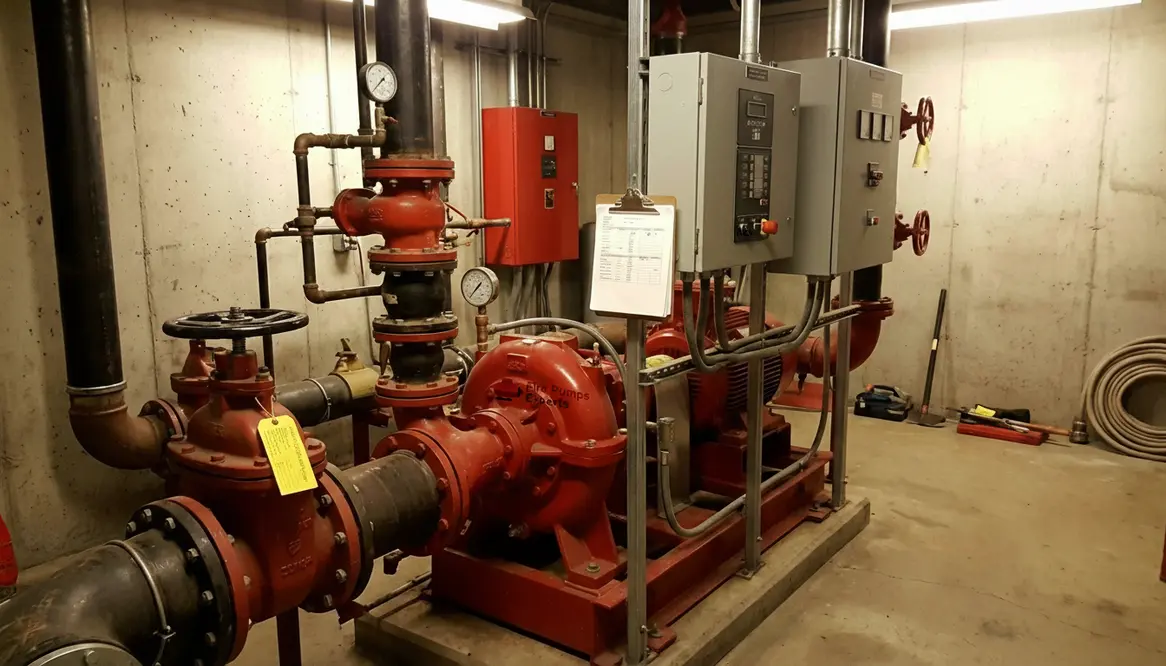
I have spent a lot of time walking through mechanical rooms in large commercial buildings. Some smell like fresh paint. Others smell like a gym locker that lost a fight with humidity. But almost every one of them has something in common. A fire pump sitting quietly in the corner, waiting for the worst day imaginable.
For owners and facility managers of major commercial and industrial buildings, understanding the fire pump inspection and testing requirements portland oregon is not just another line item on a maintenance checklist. It is the difference between a system that works instantly during an emergency and one that turns into a very expensive paperweight.
Therefore, I want to walk you through what owners of large properties actually need to know. Not in complicated technical language. Just clear steps, practical insight, and a few reminders that fire protection should never feel like an afterthought. After all, when the alarm rings, nobody wants the mechanical room to shrug its shoulders.
Why Fire Pump Inspections Matter for Large Commercial Buildings
Let me start with the simple truth. A fire pump is the muscle behind a sprinkler system. Without it, water pressure in many high rise or large industrial buildings simply is not strong enough to fight a serious fire.
Because of that, Portland follows strict codes that require routine inspections and performance testing. These rules align with national standards such as NFPA 25. However, city enforcement and documentation expectations mean owners cannot afford to treat inspections casually.
In large commercial environments like manufacturing plants, distribution centers, hospitals, and high rise offices, a fire pump failure can shut down operations for days or weeks. Insurance carriers know this. Fire marshals know this. And frankly, so do the attorneys who show up afterward.
As a result, routine inspections are less about bureaucracy and more about confidence. When I review a properly maintained system, I know the building owner took responsibility seriously. And yes, it also means fewer uncomfortable conversations with regulators.
Besides, preventative maintenance is always cheaper than emergency repairs. Anyone who has ever owned a commercial boiler understands that lesson the hard way.
What Are the Fire Pump Inspection and Testing Requirements Portland Oregon Owners Must Follow
When people ask me about compliance, they usually expect a giant binder full of technical charts. Fortunately, the core idea is simpler. The city expects fire pumps to be inspected, tested, and documented on a regular schedule.
However, the details matter.
Owners of commercial and industrial properties should focus on five key inspection categories.
Weekly Visual Inspections
First, someone must visually check the fire pump assembly. This includes verifying that the pump controller shows normal status, valves remain open, and no leaks or unusual vibrations appear.
In many facilities, building engineers handle this step. It takes only a few minutes, yet it catches early problems before they grow into expensive repairs.
Monthly Pump Operation Checks
Next comes a monthly test run. During this process, the pump starts automatically or manually and runs briefly to confirm proper operation.
Think of it like starting a classic car once a month. You do not wait five years and hope the engine still remembers how to start.
Annual Flow Testing
This is the big one. Annual fire pump flow testing measures the pump’s ability to deliver water at required pressures and flow rates.
Technicians connect hoses, measure discharge levels, and compare the results to the original pump performance curve. If performance drops, the system requires adjustment or repair.
For large commercial properties, this test is essential. It proves the pump can handle a real fire scenario rather than just spinning its motor politely.
Controller and Electrical System Checks
Additionally, inspections verify the pump controller, batteries, transfer switches, and alarms. Electrical failures cause many fire pump problems. Therefore, technicians carefully examine wiring and backup power sources.
And yes, this is one of those moments where duct tape absolutely does not qualify as a repair strategy.
Documentation and Compliance Records
Finally, documentation matters. Inspectors want clear service records showing when tests occurred, who performed them, and what results were recorded.
Without proper documentation, even a perfectly functioning pump can fail compliance review. Paperwork may feel boring, yet it is the official proof that your life safety systems are ready.
How I Organize Fire Pump Maintenance Without Losing My Mind
Managing large property systems can feel like juggling flaming bowling pins. HVAC systems need service. Elevators demand inspections. Then someone asks about backflow preventers.
Therefore, I rely on a structured checklist system. It keeps everything organized and prevents small tasks from slipping through the cracks.
Operational Oversight
- Weekly pump room walkthroughs
- Controller status verification
- Valve position confirmation
- Pressure gauge readings
- Unusual noise or vibration checks
Professional Testing
- Monthly churn test operation
- Annual full flow testing
- Electrical controller inspection
- Relief valve testing
- Comprehensive service documentation
This structure separates routine observation from technical testing. Building staff handle visual checks. Certified fire protection technicians handle performance testing.
As a result, compliance becomes predictable instead of stressful.
Common Mistakes I See During Fire Pump Inspections
After years around fire protection systems, certain mistakes show up again and again. Interestingly, they usually have nothing to do with complicated engineering.
Instead, they happen because people assume the system will take care of itself.
First mistake. The pump room becomes a storage closet.
I have opened fire pump rooms and discovered cardboard boxes, paint cans, and occasionally what looked suspiciously like a forgotten office chair. While creative storage solutions are impressive, mechanical rooms should stay clear and accessible.
Second mistake. Skipping performance testing.
Some owners assume that because the pump ran last year, it must still work perfectly today. Unfortunately, seals wear out, impellers degrade, and electrical components age.
Annual testing reveals these issues before an emergency.
Third mistake. Ignoring small warning signs.
A small vibration today might become a catastrophic failure later. Similarly, fluctuating pressure readings often signal deeper pump issues.
Therefore, early investigation saves both money and headaches.
How Often Should Fire Pumps Be Tested in Portland Facilities
I hear this question constantly, especially from facility managers overseeing multiple buildings.
The general schedule under the fire pump inspection and testing requirements portland oregon follows established national standards.
- Weekly visual inspections
- Monthly pump churn tests
- Annual full flow performance testing
- Periodic controller and electrical checks
- Continuous documentation of all activities
However, large industrial properties sometimes require additional testing depending on system complexity, insurance requirements, or facility risk level.
For example, manufacturing plants with high hazard materials often maintain stricter internal testing programs. Data centers also monitor fire protection equipment closely because downtime is not exactly popular with clients.
In other words, compliance represents the minimum. Smart owners often go further.
Looking for expert help with your fire pump program?
If you want a deeper look into testing schedules, performance benchmarks, and best practices beyond Portland, a helpful resource is the fire pump testing overview from Kord Fire Protection. Their article on key test intervals, including weekly, monthly, and annual requirements, is a practical companion to the fire pump inspection and testing requirements portland oregon you are working to meet. You can read more here: fire pump testing requirements and things to know.
FAQ About Fire Pump Inspections in Portland
Below are quick answers to questions that come up repeatedly when owners start aligning their programs with the fire pump inspection and testing requirements portland oregon has adopted.
Keeping Your Fire Pump Ready When It Matters Most
Owning or managing a large commercial facility comes with serious responsibility. Fire protection systems quietly stand guard every day, and they deserve proper care. When owners follow the fire pump inspection and testing requirements portland oregon, they protect their buildings, their operations, and the people inside.
If your property needs professional fire pump testing, expert inspection, or guidance navigating compliance, your next step is simple: make sure your program is organized, documented, and supported by qualified professionals who understand how high rise and industrial systems really behave under stress. That way, when the worst day arrives, your fire pump does exactly what it was built to do.